
Knowledge Base
Coffee & Tea Guides
Brew better and explore more — buying guides, how-tos, and explainers for every coffee and tea ritual.

Explainer
Coffee Polishing: The Final Green-Bean Finish
Polishing is the quiet final step of dry milling that buffs the last of the silverskin off green coffee beans, a mostly cosmetic finish that makes them cleaner and shinier without changing the cup.
Explainer
Coffee Dieback: When Branches Wither From the Tip
Coffee dieback is the tip-down death of branches with many causes — but the most revealing is overbearing, where a huge crop drains the branch's reserves and kills the very wood that grew it.

Explainer
Coffee Differentials: The Premiums Above the C-Price
A differential is the premium or discount stacked on the benchmark C-price, and it is where a coffee's origin, grade, quality, and scarcity quietly turn into the price it actually earns.
Explainer
The Cost of Producing Coffee: Why Farmers Struggle
A clear breakdown of what it actually costs to grow a pound of coffee — from hand-picking to renovation — and why so many farmers sell below that cost into a single global benchmark price.
Explainer
IHCAFE 90 Coffee Variety: Honduras's Rust-Resistant Catimor
IHCAFE 90 is a rust-resistant Catimor arabica bred by Honduras's coffee institute around 1990 — Timor Hybrid x Caturra, high yield, fading rust resistance.
Explainer
Risaralda Coffee: The Western Corner of the Axis
A profile of Risaralda, the western department of Colombia's Eje Cafetero, from its volcanic two-cordillera terroir and washed arabica traditions to Pereira, the Tatamá highlands, and a rising specialty micro-lot scene.
Explainer
Brunca Coffee: Costa Rica's Southern Frontier Origin
Brunca is Costa Rica's southern frontier coffee region — Coto Brus and Pérez Zeledón on the Panama border, cooperative-built, growing mild, sweet, balanced Caturra and Catuaí.
Explainer
Timor Hybrid: The Arabica-Robusta Rust Fighter
The Timor Hybrid is a natural Arabica-Robusta cross found on Timor island. Its Robusta genes fight coffee leaf rust — making it the backbone of Catimor, Sarchimor and Castillo.

Explainer
Papua New Guinea Tea: Highland Tea of the Wahgi Valley
Papua New Guinea grows bright, brisk CTC black tea in the highland Wahgi Valley — a small equatorial-highland industry, plucked year-round and often grown pesticide-free.
Explainer
Mozambique Tea: The Gurué Highlands Origin
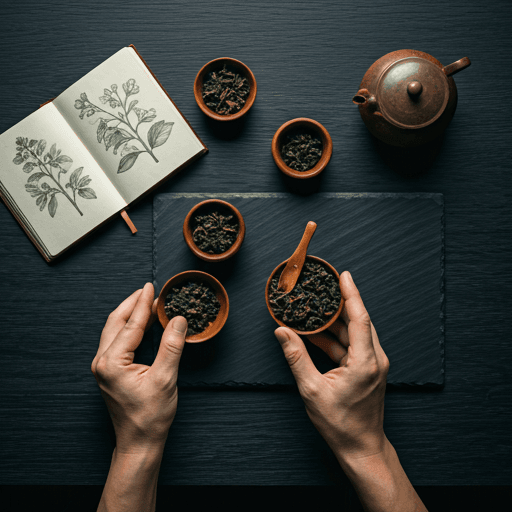
Mozambique tea is black tea from the high, rainy Gurué highlands of Zambézia — a Portuguese-colonial industry that once outshipped every African rival, collapsed during the civil war, and is now being slowly replanted for the world's blend market.
Explainer
Ethiopian Wush Wush: A Specialty Tea from the Kaffa Highlands
Wush Wush is a smooth, sweet, fruity specialty tea grown high in the Kaffa highlands of southwestern Ethiopia — the birthplace of coffee. Here is what it is, where it grows and how it tastes.
Explainer
Guangdong Da Ye Qing: The Big-Leaf Yellow Tea
A classic yellow tea from Guangdong whose "green" name misleads: Da Ye Qing is made from large-leaf tea plants and finished with the men huang yellowing step, giving a deep golden, toasted-rice cup far heartier than the delicate bud-style yellow teas.
Explainer
Meng Ding Huang Ya: Sichuan Yellow Tea
A rare Sichuan yellow tea from the misty peaks of Mount Meng, Meng Ding Huang Ya is finished with the slow men huang yellowing that trades green tea's grassy edge for a mellow, chestnut-sweet cup — and it once traveled to the imperial court as tribute.
Explainer
Lushan Yunwu: China's Cloud and Mist Green Tea
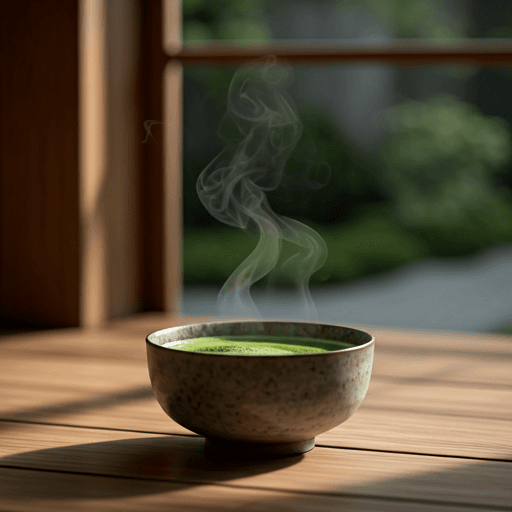
Lushan Yunwu is a mellow, sweet green tea grown in the fog-wrapped high slopes of Mount Lu in Jiangxi, China. Here is where it grows, how the cloud and mist shape its flavour, and how it compares to famous neighbours like Longjing and Biluochun.
Explainer
Rize Tea: Turkey's Black Sea Tea Region Explained
Rize tea is the brisk, brick-red black tea grown on the steep, rain-soaked terraces of Turkey's eastern Black Sea coast. This terroir deep-dive covers the humid climate, the young twentieth-century history, the grades, the flavour and how Rize compares with its Georgian neighbour across the border.
Explainer
Krasnodar Tea: The World's Northernmost Tea Explained
Grown on the Black Sea coast near Sochi, Krasnodar tea is famed as the northernmost tea on Earth. Here is its terroir, history, flavor, and how it compares with its Caucasus neighbors.
Explainer
Huangshan Maofeng: The Famous Green Tea of Yellow Mountain
Huangshan Maofeng is a downy, orchid-sweet green tea from the misty peaks of Yellow Mountain in Anhui. Here is what makes its terroir, downy buds, grades and flavor distinctive — plus how to brew it.

Explainer
Timor Coffee: The Hybrid That Saved Arabica
Timor coffee is a mild, cocoa-sweet organic arabica from Timor-Leste — and the birthplace of the Hibrido de Timor, the accidental arabica-robusta cross that gave the world its rust-resistant coffee. Here is the origin, the regions, the flavour and the hybrid that changed everything.
How-To
How to Make Elderflower Cold Foam
Elderflower cold foam is cold-frothed milk, a splash of cream and a little elderflower cordial, floated over iced tea or cold brew. Here are the amounts, the trick that stops it curdling, and which milk holds the cap longest.
How-To
How to Make Papaya Syrup
Papaya syrup is a mellow, sunset-orange tropical syrup made by blending ripe papaya into a puree, warming it gently with sugar, water and a good squeeze of lime just until the sugar dissolves, then straining. Here is the recipe with real amounts, a ratio table, a strained-versus-puree table, the papain note worth knowing, and honest storage.
How-To
How to Make Earl Grey Cold Foam at Home
Earl Grey cold foam is a bergamot-scented tea cap you cold-froth in about a minute and float over iced coffee, cold brew or iced tea. Here is the recipe: syrup or chilled concentrate, the ingredient amounts, a milk-texture table, and how long it holds.
How-To
How to Make Honeydew Syrup
Honeydew syrup is a pale-green, mellow-sweet melon simple syrup made by blending and straining ripe honeydew into juice, then gently cooking it with sugar and a little lemon. Learn the recipe, amounts and how to use it in honeydew bubble tea, iced tea, melon lemonade, sparkling water and cocktails.
How-To
How to Make Kiwi Syrup for Drinks
Kiwi syrup is a bright, sweet-tart, tropical-green fruit syrup made by warming peeled, mashed kiwifruit with sugar and a little water, then straining out the seeds. Here is the recipe, the ratio, a rustic-versus-clear table, and how to use it in kiwi soda, iced tea, lemonade and bubble tea.
How-To
How to Make Nectarine Cold Foam
Nectarine cold foam is cold-frothed milk carrying a sweet, sunny stone-fruit note. Here's how to make it glossy and pourable for iced coffee or cold brew.