
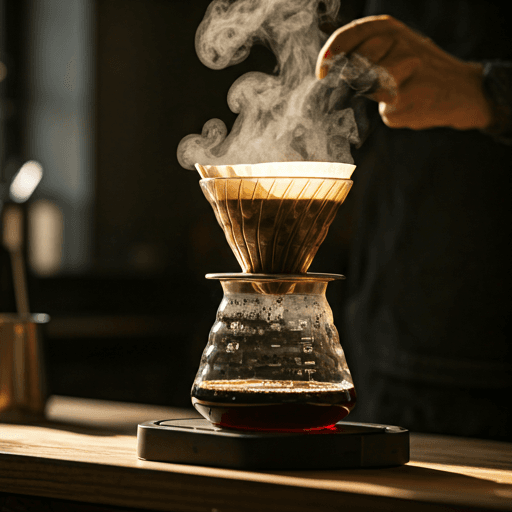
A coffee alternative is any drink you reach for instead of coffee, whether you want less caffeine, none at all, a gentler cup for your stomach, or simply some variety in your mug. The good news is that there are excellent coffee alternative drinks for every reason, from caffeine-free roasted roots like chicory to energizing options like matcha and yerba mate. This hub gives you the short version of each swap, what to expect in the cup, and how to pick the right one for your goal.
Think of this page as a map. Each alternative below links to a dedicated guide if you want roasting details, ratios or step-by-step brewing. Here, we keep it quick and comparable.
Why people look for a coffee alternative
Most people swap coffee for one of a few practical reasons, and knowing yours makes choosing easy.
- Less or no caffeine. Jitters, an afternoon crash, a racing heart or trouble sleeping all point toward cutting back. Some people want a smaller dose; others want zero.
- A gentler cup. Coffee is acidic and can bother sensitive stomachs or trigger reflux. Low-acid roots and herbal brews tend to sit easier.
- Pregnancy or caffeine limits. Mainstream guidance commonly caps caffeine at about 200 mg a day during pregnancy, roughly one to two mugs of coffee, and asks you to count all sources, including tea, cola, energy drinks and chocolate. Caffeine-free swaps or decaf make that easy. This is general information, not medical advice, so talk to your doctor or midwife, and see our companion guide on coffee and pregnancy.
- Variety and ritual. Plenty of people just like having a warm, characterful drink that is not the same cup twice a day.
Coffee alternative drinks at a glance
Here are the most popular coffee alternative drinks side by side. Use the caffeine column to rule options in or out, then read the short blurbs below for the detail.
| Alternative | Caffeine? | Tastes like | Best for |
|---|---|---|---|
| Chicory "coffee" | None | Dark, woody, gently bitter, caramel edge | Closest caffeine-free coffee feel |
| Dandelion "coffee" | None | Roasty, earthy, slightly bitter | Coffee-style cup with no caffeine |
| Roasted barley / grain | None | Toasty, malty, smooth | Gentle, low-acid sipping |
| Rooibos | None | Sweet, nutty, red-bush herbal | Evening, caffeine-free comfort |
| Golden (turmeric) milk | None | Warm, spiced, creamy | Cozy, soothing wind-down |
| Decaf coffee | Trace (~2-5 mg/cup) | Real coffee | The closest swap of all |
| Matcha / green tea | Yes (~30-70 mg) | Grassy, savory, fresh | Steady focus, no big spike |
| Yerba mate | Yes (~70-85 mg) | Earthy, grassy, slightly bitter | Sustained coffee-level energy |
| Chai / black tea | Yes (~40-70 mg) | Brisk, malty, spiced (chai) | Familiar lift, less than coffee |
| Mushroom coffee | Varies (blends often have coffee) | Earthy coffee, mellow | Coffee flavor with fewer jitters |
Caffeine-free coffee substitutes (roasted roots and grains)
These coffee substitutes contain no caffeine at all. Several are roasted and ground so they brew up dark and bitter, which is why they read as "coffee" even though no coffee bean is involved.
Chicory
Chicory is the standout caffeine-free swap. The roasted, ground root brews into a dark, slightly woody cup with a caramel-edged bitterness that mimics coffee closely, which is why New Orleans famously blends it with dark roast. Drink it solo for zero caffeine, or cut it into real coffee to soften and stretch the cup. Full detail in chicory coffee explained.
Dandelion
Dandelion "coffee" is made from the roasted root of the common weed. It tastes earthy and roasty with a mild bitterness, lands close to chicory, and is naturally caffeine-free. People reach for it as a coffee-style ritual without the buzz. See dandelion tea benefits for more.
Roasted barley and grain coffee
Barley coffee is ground, roasted barley brewed like coffee. It is toasty, malty and smooth, with no caffeine and very low acidity, so it is one of the gentlest options on a sensitive stomach. Grain-coffee blends (barley, rye, chicory, sometimes figs or beets) work the same way and have a long history as wartime coffee stand-ins. More in barley tea explained.
Rooibos
Rooibos, or red-bush tea, is a naturally caffeine-free South African herbal brew. It is not coffee-like in flavor, but it is sweet, nutty and full-bodied, which makes it a satisfying warm drink for evenings or for anyone avoiding caffeine entirely. Details in rooibos tea explained.
Golden (turmeric) milk
Golden milk is warm milk (dairy or plant) blended with turmeric and spices like ginger, cinnamon and black pepper. It is creamy, spiced and caffeine-free, so it works as a soothing, comforting cup rather than a coffee impersonation, especially as a wind-down drink.
Coffee alternatives that still give you a lift
If you want energy, not abstinence, these alternatives keep some caffeine but usually deliver it more gently than a strong coffee.
Decaf coffee
Decaf is the closest swap of all, because it is coffee, just with most of the caffeine removed (only a trace, roughly 2-5 mg per cup, remains). You keep the flavor, aroma and ritual while shedding nearly all the stimulant. It is the obvious first stop if your only issue is caffeine. See decaf coffee explained.
Matcha and green tea
Matcha is powdered green tea whisked into water or milk. A serving carries moderate caffeine (often around 30-70 mg) alongside L-theanine, an amino acid that smooths the lift into calmer, steadier focus rather than a spike-and-crash. Brewed green tea is the lighter version of the same idea. Start with what is matcha.
Yerba mate
Yerba mate is a South American herbal tea traditionally sipped from a gourd through a metal straw. It is the alternative that comes closest to coffee on energy, delivering roughly 70-85 mg of caffeine per cup with an earthy, grassy, slightly bitter flavor that fans describe as a clean, sustained lift. More in what is yerba mate.
Chai and black tea
Black tea offers a brisk, familiar caffeine hit, usually around 40-70 mg per cup, well below a strong coffee. Masala chai layers black tea with milk and warming spices for a richer, comforting version. Either makes an easy step down from coffee while keeping a real morning lift.
Mushroom coffee
Mushroom coffee blends ground functional mushrooms (lion's mane, chaga, reishi, cordyceps) with herbs, cocoa, or a reduced amount of real coffee. The result is an earthy cup that fans say feels smoother and less jittery. One caveat: many blends still contain coffee, so they are not automatically caffeine-free, while pure mushroom extracts have none. Check the label, and read mushroom coffee explained.
How to choose your coffee alternative
Match the swap to your goal and the decision gets simple.
- Want zero caffeine: chicory, dandelion, roasted barley or grain coffee, rooibos, or golden milk.
- Want less caffeine but still a lift: decaf, black tea or chai, or a modest serving of green tea.
- Want the coffee taste: decaf is closest, then chicory and barley for the caffeine-free crowd.
- Gut-friendly and low acid: roasted barley, rooibos, chicory, or golden milk.
- Steady energy without the spike: matcha or yerba mate, thanks to their slower, smoother caffeine release.
- Pregnancy or a strict caffeine cap: caffeine-free roots and herbals, or decaf, and count every source. Talk to a clinician.
One practical tip for the transition: blend rather than quit cold. Mix half coffee with half chicory or barley brew, then shift the ratio toward the alternative over a week or two. Your palate adjusts and the caffeine drop feels gradual instead of abrupt.
The bottom line
There is no single best coffee alternative, only the best one for your reason to switch. If you mainly want to lose the caffeine, decaf or chicory will feel most familiar; if you want a different kind of energy, matcha and yerba mate deliver. Pick a goal from the list above, try one swap for a week, and notice how you feel. To understand exactly what you are dialing down, our guide to caffeine explained is a useful companion, or browse the wider coffee hub and tea hub for more ideas.