
Knowledge Base
Coffee & Tea Guides
Brew better and explore more — buying guides, how-tos, and explainers for every coffee and tea ritual.
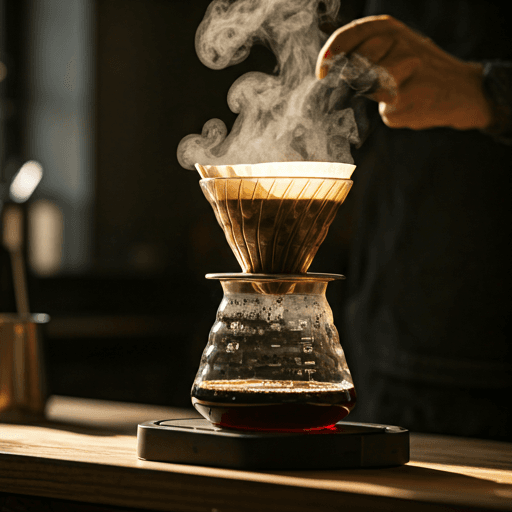
Explainer
Caffeine Tolerance: Why Coffee Stops Working
Your morning cup feels flat? That is caffeine tolerance — your body adapting to caffeine so the same dose does less. Here is how it builds, the signs to watch for, and how to reset your response without giving up coffee.
Explainer
Chai vs Coffee: What's the Difference?
Chai and coffee are two very different rituals: chai is a gently spiced milk tea with a softer caffeine lift, while coffee is a bolder, higher-caffeine brew. Here is how they compare on taste, caffeine and feel.
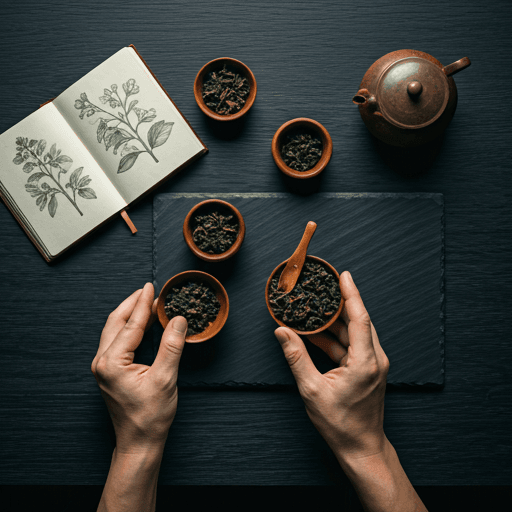
Explainer
How Much Green Tea Per Day? A Simple, Hedged Guide
For most healthy adults, roughly 3 to 5 cups of green tea per day is a commonly cited, generally safe range — enough to enjoy the antioxidants without piling on caffeine. Here is where that number comes from, and when to drink less.
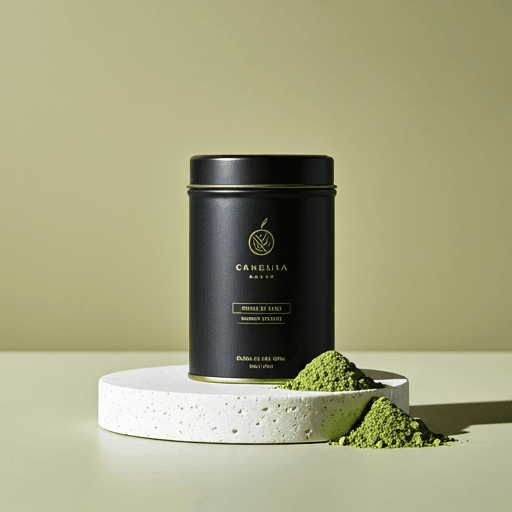
Explainer
Green Tea vs Coffee: Which Is Better for You?
Green tea vs coffee comes down to caffeine and how it feels: coffee brings a bigger, faster jolt, while green tea pairs a lower dose with L-theanine for a calmer, steadier lift. Here is how the two compare on caffeine, antioxidants, flavor and side effects.
Explainer
Jasmine Tea vs Green Tea: What's the Difference?
Jasmine tea is usually green tea scented with jasmine blossoms, so here's the real difference in taste, caffeine, base leaf and how to brew each one.
Explainer
What Is Fermented Tea? Pu-erh, Dark Tea and Kombucha Explained
Fermented tea means tea reshaped by microbes — think pu-erh and the wider dark-tea family — not the oxidation that makes black tea. Here is what fermented tea really is, from pu-erh to kombucha.
Explainer
Pu-erh vs Green Tea: What's the Difference?
Both are true teas from Camellia sinensis, but green tea is fresh and unoxidised while pu-erh is dark, fermented and aged. Here is how the two compare in taste, processing, caffeine and brewing.
Explainer
Matcha vs Black Tea: What's the Difference?
Both come from the same plant, but matcha is whisked whole-leaf green tea while black tea is oxidised leaf you steep and strain. Here is how they compare on taste, caffeine, and brewing.
Explainer
Does Peppermint Tea Have Caffeine?
Pure peppermint tea is naturally caffeine-free because it's a herbal tisane of mint leaves, not the caffeine-bearing tea plant. Here's why — and the one blend that changes the answer.
Explainer
Does Rooibos Tea Have Caffeine? The Caffeine-Free Answer
Pure rooibos tea is naturally caffeine-free because it comes from the South African red bush, not the tea plant. Here's why it has none, how it compares to true tea and coffee, and the one blend label worth checking.
Explainer
Frappe vs Frappuccino: What's the Difference?
A frappe is a general style of blended or shaken iced coffee, while a Frappuccino is Starbucks' trademarked line of blended iced drinks. Here is how the two really differ in taste, texture, caffeine and name.
Explainer
Iced Latte vs Iced Coffee: What's the Difference?
An iced latte is espresso and cold milk over ice, while iced coffee is brewed coffee (drip or cold brew) over ice with milk optional. Here's how the two compare on taste, body, strength and calories.
Explainer
Macchiato vs Latte: What's the Difference?
Macchiato vs latte comes down to one thing: milk ratio. A macchiato is a bold espresso marked with a dollop of milk, while a latte is espresso drowned in steamed milk. Here is how size, strength, taste and caffeine compare, plus why the caramel macchiato is really a latte.
Explainer
Burr vs Blade Grinder: Which Is Better?
A burr grinder crushes beans to an even, adjustable grind while a blade just chops them into dust and boulders. Here is how burr vs blade grinders compare, why uniformity changes the taste in your cup, and when a cheap blade is still good enough.
Explainer
Espresso Grind Size, Explained
Espresso needs a fine, powdery grind — finer than drip, close to powdered sugar — because about nine bar of pressure pulls the shot in just 25 to 30 seconds. Here's how fine to go, how to read the shot, and how to nudge your grinder toward a sweet, balanced pull.
Explainer
Coffee and Bloating: Why It Happens and How to Ease It
Coffee can leave some people feeling bloated or gassy — from its acidity and caffeine to the milk and sugary syrups you add. Here's why it happens and how to ease it.
Explainer
Is Decaf Coffee Bad for You? What to Know
For most people, decaf coffee is not bad for you: it is real coffee with about 97% of the caffeine removed, it keeps most of coffee's antioxidants, and its old worries are minor and easy to manage.
Explainer
Caffeine Withdrawal Symptoms: What to Expect
Caffeine withdrawal symptoms like headache, fatigue, irritability and brain fog usually start 12-24 hours after your last cup, peak around day one or two, and ease within about a week. Here is what to expect and how to make the transition gentler.
Explainer
Does Coffee Break a Fast? Black Coffee and Fasting
Plain black coffee has almost no calories, so it generally will not break a fast — but milk, sugar, syrups and bulletproof butter coffee do. Here is how it works for intermittent fasting versus a medical blood test.
Explainer
Does Tea Stain Your Teeth? Why It Happens and How to Prevent It
Tea can stain your teeth — black tea most of all — because its tannins bind dark pigments to enamel. Here's why it happens, which teas stain least, and simple habits to keep your smile bright.
Explainer
Does Chamomile Tea Have Caffeine?
Pure chamomile tea is naturally caffeine-free because it's a herbal tisane made from flowers, not the tea plant. Here's why — plus the one blend exception to watch for on the label.
Explainer
How Much Caffeine Is in Chai?
A cup of traditional spiced chai has a fairly modest amount of caffeine, very roughly 25 to 50 mg per 8 oz cup, less than coffee and often a little under plain black tea. Here is how much caffeine is in chai, what changes it, and how a cafe chai latte and a dirty chai compare.
Explainer
White Tea vs Oolong Tea: What's the Difference?
White tea vs oolong tea both come from one plant, but white is the least processed of all teas while oolong is partially oxidised. Here is how they differ in taste, caffeine, look and brewing.
Explainer
Oolong vs Pu-erh Tea: What's the Difference?
Oolong and pu-erh are both true teas, but oolong is partially oxidised and floral-to-roasty while pu-erh is a dark, fermented, aged tea from Yunnan. Here is how they compare on taste, colour, caffeine and brewing.