
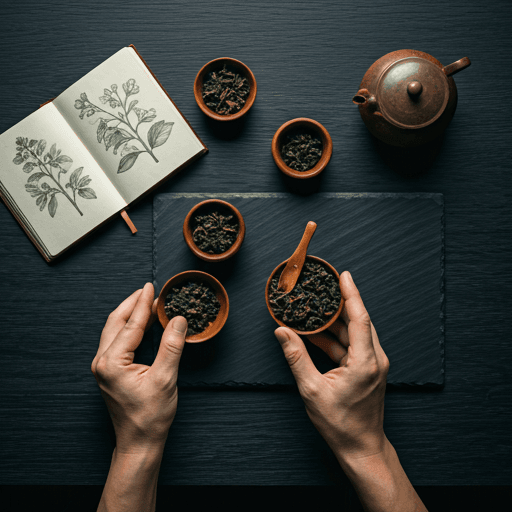
Does peppermint tea have caffeine? No — a pure cup does not. Peppermint tea is a naturally caffeine-free herbal tisane made by steeping the leaves of the peppermint plant, not the leaves of Camellia sinensis, the tea plant that actually contains caffeine. That is exactly why so many people reach for peppermint in the evening or after a meal, when they want warmth and flavor without a stimulant.
Below is the short answer in full, why the caffeine content is effectively zero, the one blend that changes the story, and how peppermint fits into the wider caffeine-free family. For what the drink actually is and everything it offers, we point you to our dedicated guides — this page stays focused on the caffeine question.
Does peppermint tea have caffeine? The short answer
Pure peppermint tea is caffeine-free. When people ask "is peppermint tea caffeine free," the honest answer is yes, as long as the cup contains only peppermint. Caffeine is a compound produced by a specific set of plants — most famously the tea bush and the coffee shrub — and peppermint is not one of them. So the peppermint tea caffeine content of a plain, single-ingredient cup is effectively nil, no matter how strong you brew it.
The same is true if you ask, "does mint tea have caffeine?" Mint teas — whether peppermint, spearmint, or a mixed-mint blend — are herbal infusions of mint leaves, so they carry no caffeine on their own. In short, the caffeine in peppermint tea comes down to one thing: what else is in the cup. A single-ingredient mint tisane has none; a blend can be a different story, which we cover below.
Why peppermint tea has no caffeine
Peppermint (botanically Mentha × piperita) is a garden herb, a natural hybrid of watermint and spearmint. It grows as a leafy, spreading plant, and when you pour hot water over its dried or fresh leaves you get a tisane: an infusion of something other than the true tea plant. Because the peppermint plant simply does not manufacture caffeine, there is none to steep out, no matter how long the leaves sit in the water or how hot the water is.
This is the distinction that trips people up. "Tea" in everyday speech covers almost anything brewed in a cup, but in the strict sense, true tea — green, black, white, oolong, and pu-erh — all comes from one plant, Camellia sinensis. That plant produces caffeine as a natural defense compound, which is why every true tea has some. Herbal "teas" such as peppermint, chamomile, rooibos, and hibiscus are technically tisanes, and most carry no caffeine at all. For the botany of the plant and how the drink is made, our overview of what peppermint tea is goes deeper; here the takeaway is simple — no tea plant, no caffeine.
Caffeine content compared: peppermint vs true tea vs coffee
Seeing peppermint next to true teas and coffee makes the difference obvious. The numbers below are rough, average figures — real amounts vary a lot by leaf, brand, serving size, and steep time — but the pattern is clear and consistent.
| Drink | Caffeine per cup (approx.) | What it is made from |
|---|---|---|
| Pure peppermint tea | None — caffeine-free | Peppermint leaves (a herb) |
| Chamomile or rooibos | None — caffeine-free | Flowers / South African bush |
| Green tea | ~30-50 mg | Camellia sinensis |
| Black tea | ~40-70 mg | Camellia sinensis |
| Coffee | ~95 mg | Roasted coffee beans |
| Peppermint "green tea" blend | Contains caffeine (varies) | Peppermint mixed with real tea |
The top of the table is what matters here: peppermint lands with the herbal, caffeine-free tisanes, well away from the true teas and coffee. Those caffeine figures are worth hedging — a light, quick steep of green tea and a long, strong mug sit at very different ends of the range — but a pure peppermint cup stays at zero regardless.
The invigorating feeling without any caffeine
If peppermint has no caffeine, why does a cup feel so refreshing, even a little energizing? The lift is real, but it is sensory rather than chemical. Peppermint leaves are rich in menthol, the compound behind that cool, tingling, wide-awake sensation on your tongue and in your sinuses. The bright, brisk aroma can feel clearing and invigorating, which many people read as a burst of energy. But menthol is a flavor and cooling agent, not a stimulant — it does not act on your nervous system the way caffeine does. So the perk you feel after a mug of peppermint is the scent and the sensation waking up your senses, not caffeine entering your bloodstream. That is a genuinely useful trait when you want to feel refreshed without anything that could keep you up at night.
The one exception to check: peppermint blends
Here is the one place the answer flips. The word "peppermint" on a package does not guarantee a caffeine-free cup — it all depends on what else is in the blend. A product labeled "peppermint green tea" or "peppermint black tea" mixes real Camellia sinensis leaves with the mint, so it does contain caffeine. The peppermint is there for flavor; the tea leaves bring the stimulant. Likewise, some bottled or canned "mint tea" drinks, energy blends, and flavored iced teas use a green or black tea base, so a peppermint-flavored product can deliver anything from a trace to a full tea-sized dose.
The fix is simple: read the label. A pure peppermint tisane will list only peppermint (or "mint"), and perhaps other herbs. If you see green tea, black tea, matcha, yerba mate, or added caffeine in the ingredients, expect a stimulant. When a blend keeps mint together with other herbs — chamomile, lemon balm, licorice — it usually stays caffeine-free, but the ingredient list is always the final word.
Why so many people choose caffeine-free peppermint
Because a pure cup carries no caffeine, peppermint has become a go-to for moments when a stimulant is unwelcome. Many people find it a natural fit in the evening or before bed, when a caffeinated tea or coffee might disrupt sleep. It is also a classic after-meal cup — the fresh, cooling flavor works like a palate cleanser, and many people reach for it simply because they enjoy how it feels after a heavy, full meal. Its caffeine-free nature also makes it a common choice for anyone sensitive to caffeine, cutting back, or looking for a warm drink to share with children.
A quick, honest caveat: these are general observations about a popular everyday drink, not medical advice, and responses vary from person to person. Peppermint is well tolerated by most people, but it can relax the muscle at the top of the stomach, which sometimes worsens acid reflux or heartburn. If you are pregnant or breastfeeding, manage reflux or another condition, or are giving it to a young child, it is worth asking your own doctor what is right for you. For the wellness side of the leaf — digestion, freshness, and more — see our roundup of peppermint tea benefits, which covers that story in full.
Where peppermint fits in the caffeine-free herbal family
Peppermint sits in a large, friendly family of caffeine-free herbal infusions. Chamomile, rooibos, hibiscus, lemon balm, ginger, and spearmint are all tisanes brewed from herbs, flowers, roots, or bushes that never contained caffeine to begin with — the same reason peppermint does not. If you like the idea of a hot drink you can enjoy at any hour, it is worth exploring the whole category; our guide to caffeine-free tea maps out the options. Chamomile in particular gets exactly the same question peppermint does, and the answer is the same — you can read the details in whether chamomile tea has caffeine.
So, to close the loop: a plain cup of peppermint tea has no caffeine, because it is a herbal tisane of mint leaves rather than a brew of the caffeine-bearing tea plant. The refreshing lift you feel comes from menthol's cool aroma, not a stimulant, and the only caffeine to watch for is in blends that mix peppermint with green or black tea — something the label will always reveal. That combination of bright flavor and zero caffeine is exactly why peppermint has earned its place as an anytime, evening-friendly cup enjoyed around the world.