
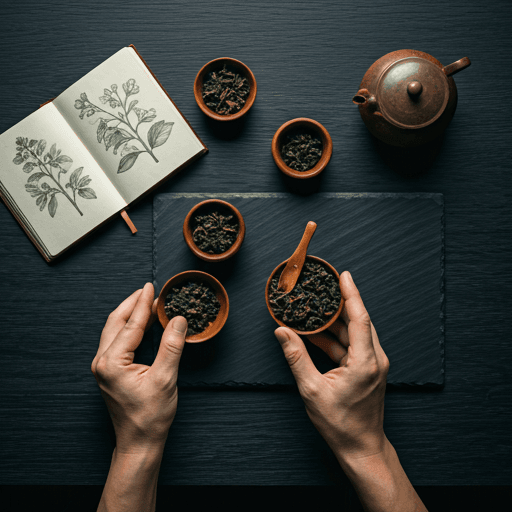
Peppermint tea is a caffeine-free herbal infusion made from the leaves of Mentha x piperita, and people have sipped it for centuries to settle the stomach, freshen the breath and clear the head. The most talked-about peppermint tea benefits are easing digestion, calming gas and bloating, soothing tension and lending a gentle, caffeine-free lift in focus. It is genuinely soothing, but honesty matters here: most of the strongest science studies concentrated peppermint oil, not the milder tea, so treat the benefits below as traditionally used and promising rather than firmly proven.
What peppermint tea actually is
Peppermint is a hybrid of watermint and spearmint, and the leaves are rich in menthol — the cooling, aromatic compound behind that unmistakable clean, crisp flavour. When you steep the dried or fresh leaves, menthol and related oils dissolve into the water, giving the tea its brisk aroma and faint cooling sensation on the palate.
Two things make it a popular everyday cup. First, it is naturally caffeine-free, so it will not keep you up at night the way coffee or black tea can. Second, it is a true herbal infusion, or tisane, rather than a tea from the Camellia sinensis plant. If you are new to caffeine-free brews, our overview of what herbal tea is explains how tisanes differ from green and black tea. Peppermint is one of the most widely enjoyed members of that family — for a broader look at mint drinks, see our guide to mint tea benefits and how to make it.
Peppermint tea benefits: what the evidence shows
Here are the reasons people reach for a cup, each read honestly against what the research and tradition actually support. The recurring theme: peppermint oil is well studied, while the gentler tea is less so, so most claims deserve a “may” rather than a promise.
Easing digestion, gas and bloating
This is peppermint’s best-known role. Menthol acts as an antispasmodic, meaning it can relax the smooth muscle of the gut, which may help ease cramping, trapped gas and a bloated feeling. The strongest clinical evidence is for enteric-coated peppermint oil in people with irritable bowel syndrome (IBS); the tea is a much milder preparation and has not been tested the same way, so it may soothe but should not be treated as a medicine. Traditionally it is sipped after a heavy meal. We cover this angle in depth — including the important reflux caveat — in our guide to peppermint tea for digestion and bloating.
Calming tension headaches
Diluted peppermint oil rubbed on the temples has some supporting research for tension-type headaches, likely through menthol’s cooling, relaxing effect. Sipping a warm cup is a gentler, indirect version: the aroma and the simple ritual of a warm drink may feel calming, but the tea is not a proven headache treatment and should not replace medical advice.
Relieving congestion and a stuffy nose
The menthol vapour rising from a hot cup can create a cooling, easier-to-breathe sensation, which is why peppermint often appears in cold and flu blends. It is worth being clear about what this does and does not do: menthol may make a blocked nose feel clearer, but it does not treat the underlying infection. Many people simply find a warm, aromatic cup comforting when they are under the weather.
Freshening breath
Menthol’s clean, cooling flavour is the same reason it flavours toothpaste and gum, and a cup of peppermint tea can leave the mouth feeling fresh — a traditional after-meal use in many cultures. This is one of the more straightforward, low-stakes reasons peppermint tea is good for an everyday habit.
A caffeine-free lift in focus
Because it contains no caffeine, peppermint tea will not give you a stimulant jolt. Even so, many people find the brisk menthol aroma mentally refreshing and use a cup as a calm, warm alternative to coffee during an afternoon slump or in the evening. Think of it as a gentle change of pace rather than an energy drink.
The benefits, at a glance
The table below sorts the popular claims from what the evidence and tradition actually support. Each benefit is worded cautiously on purpose.
| Reason people drink it | What the evidence actually shows |
|---|---|
| Digestion, gas & bloating | Menthol relaxes gut muscle; strongest trials use enteric-coated peppermint oil for IBS, so the milder tea may help but is far less studied. |
| Bloating & cramps after meals | Traditionally sipped after eating; the antispasmodic effect may ease discomfort — best after a meal, not during heartburn. |
| Tension headaches | Diluted peppermint oil on the temples has some evidence; the tea’s warmth and aroma may feel soothing but are not a proven treatment. |
| Congestion / stuffy nose | Menthol vapour can create a cooling, easier-to-breathe sensation; it does not clear an actual infection. |
| Fresh breath | Menthol’s clean, cooling flavour freshens the mouth — a well-established, low-stakes use. |
| Caffeine-free focus | No caffeine at all; the brisk aroma may feel mentally refreshing — a calm alternative to coffee or black tea. |
How to brew peppermint tea
Getting the most flavour — and aroma — out of the leaves is simple. Aroma is where menthol lives, so keeping the cup covered while it steeps traps the volatile oils that would otherwise escape as steam.
- Leaves or bag: use about 1 teaspoon of dried peppermint, a small handful of fresh leaves, or one tea bag per cup.
- Water: heat water to just off the boil (roughly 90–95 C). Peppermint is forgiving, so exact temperature matters less than it does for green tea.
- Steep, covered: pour over the leaves, cover the cup or pot, and steep for 5 to 10 minutes — longer for a stronger, more menthol-forward cup.
- Strain and serve: remove the leaves or bag and drink it plain, or with a little honey or lemon. It is lovely hot and refreshing iced.
Fresh leaves give a brighter, greener flavour; dried leaves are more concentrated. If you want to compare peppermint with its sweeter, gentler cousin, our guide to peppermint vs spearmint tea breaks down the flavour and menthol differences.
Safety: who should be cautious
Peppermint tea is well tolerated for most healthy adults, but it is not right for everyone, and a few situations call for genuine caution. None of the notes below are medical advice — if you have a health condition or take regular medication, check with a doctor or pharmacist before making peppermint tea a daily habit.
- Acid reflux, heartburn and GERD: this is the big one. Peppermint can relax the lower oesophageal sphincter — the valve between the stomach and the food pipe — which may allow stomach acid to rise and can worsen reflux, heartburn or GERD symptoms. So the same cup that soothes lower-gut bloating may aggravate upper-gut heartburn. If you are prone to reflux or have a hiatal hernia, peppermint may not suit you.
- Pregnancy: a warm cup is widely enjoyed, but large amounts are best approached with caution during pregnancy — a good reason to ask your healthcare provider what is right for you.
- Infants and young children: avoid strong menthol for babies and very young children, as menthol can be too intense for them.
- Medications: peppermint may interact with certain medicines. If you take regular prescriptions, run it past a pharmacist first.
To keep this clear: peppermint tea is a soothing everyday drink, not a treatment. There are no cures, dosing plans or disease claims here — just a caffeine-free cup with a long tradition behind it.
The bottom line
Peppermint tea earns its place on the shelf as a caffeine-free, aromatic brew that many people find genuinely settling after a meal, comforting during a cold, and refreshing any time of day. The honest picture is that its reputation runs a little ahead of the research — the boldest findings belong to peppermint oil, while the tea is gentler and less studied — and it is not the right cup for everyone, especially anyone prone to reflux. Enjoy it for what it reliably is: a fragrant, calming, no-caffeine ritual, and one of the easiest herbal teas to make at home.