
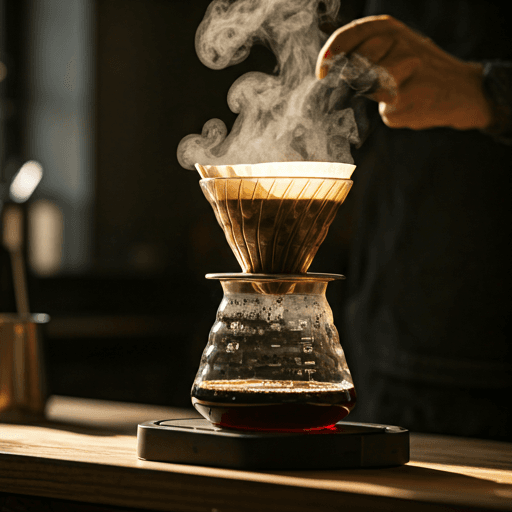
Does coffee break a fast? For most everyday goals, no — plain black coffee, with nothing stirred in, does not break a fast. A cup of black coffee carries only a couple of calories, so it stays under the threshold that would pull you out of a fasted state, and many people find it actually helps them stretch the gap between meals. The catch is entirely in what goes into the cup: the moment you add milk, sugar, cream, syrup or a scoop of "bulletproof" fat, the answer can flip. It also depends on which kind of fast you mean.
Does coffee break a fast? It depends which fast you mean
There is no single rule, because "fasting" covers a few very different things and each one draws the line in a different place. Before you worry about your coffee, it helps to know which fast you are actually keeping.
- An intermittent or eating-window fast (16:8, one-meal-a-day, alternate-day and similar patterns) is mostly about calories and insulin. Here the practical question is whether the drink adds meaningful energy or spikes insulin. A near-zero-calorie drink generally passes; a milky, sugary one does not.
- A strict water fast allows only water, by definition. Under that stricter interpretation, even black coffee is technically off the menu, though many flexible fasters still count it because it is so close to calorie-free.
- A medical or blood-test fast — before bloodwork, surgery or certain procedures — has its own specific rules set by the clinic or lab. Some tests allow black coffee, many say water only, and coffee can affect certain results. Always follow the exact written instructions you were given, and if in doubt, ask the provider running the test.
So "will coffee break my fast" really means "will coffee interfere with the specific thing I am trying to do." For weight-management and metabolic eating windows, that bar is calories. For a lab fast, the bar is whatever the instructions say. Keep the goal in mind and the coffee question mostly answers itself.
Why black coffee usually won't break a fast
Does black coffee break a fast? For a standard intermittent-fasting window, the widely repeated answer is no. An 8-ounce (240 ml) cup of plain black coffee has only around 2 to 5 calories — the trace comes from tiny amounts of dissolved compounds, not from sugar or fat. That is far below the level most people treat as "eating," and beverages with only a handful of calories are generally considered fasting-friendly. Black coffee also does not meaningfully raise blood sugar, so it does not trigger the insulin response that an actual meal would.
Caffeine itself can nudge your metabolism and, in some studies, slightly and temporarily shift insulin sensitivity, but for most people drinking their normal cup this is minor. If you want the deeper picture of what plain black coffee is and how it is brewed without any additions, that is covered in our guide to what black coffee is. For fasting purposes, the key point is simple: no calories in the cup means no meal for your body to react to.
What turns your coffee into something that breaks the fast
Everything that flips the answer comes down to one thing — calories. Add anything with real energy in it and, depending on how strict your fast is, you have technically fed your body. The most common culprits are the everyday extras people barely think about.
Does coffee with milk break a fast? Under a calorie-based fast, yes — even a splash counts, because milk and cream contain carbohydrate, protein and fat. A small dash of milk (a teaspoon or two) adds only a few calories and many flexible fasters accept it, but strictly speaking it is no longer a zero-calorie drink. Sugar, flavoured syrups and honey add calories and sugar directly. And "bulletproof" coffee — blended with butter, ghee or MCT oil — can carry 200 calories or more, which clearly breaks a calorie fast (some keto fasters still drink it because the fat may keep them in ketosis, a separate goal from a true fast).
| What you add to your coffee | Rough calories | Breaks a calorie-based fast? |
|---|---|---|
| Nothing — plain black coffee | ~2–5 | Generally no |
| Small splash of milk or cream | ~10–30 | Technically yes (small amounts often minor) |
| Latte / lots of dairy or plant milk | ~60–150+ | Yes |
| Sugar, honey or flavoured syrup | ~15–60+ | Yes |
| Butter, ghee or MCT oil ("bulletproof") | ~200–500 | Yes (a calorie fast; may hold ketosis) |
| Zero-calorie artificial sweetener | ~0 | Debated — see below |
Artificial and zero-calorie sweeteners are the genuine grey area. They add no calories, so on paper they should be fine, but some research suggests certain sweeteners may still prompt a small insulin or appetite response in some people, and the evidence is mixed. If you are fasting for strict metabolic reasons, the cautious move is to skip sweeteners entirely during the window; if your goal is simply calorie control, a sugar-free sweetener is usually treated as acceptable. As with most of this, responses vary from person to person.
The upsides people cite (and why to stay skeptical)
Part of why black coffee is so popular with fasters is that it does more than just pass the calorie test. Many people find a cup helps blunt appetite and makes the fasting window easier to sit through — a real practical benefit even before you get to metabolism. Caffeine is also a mild stimulant that can lift alertness when energy dips between meals.
Beyond that, some research suggests coffee and caffeine may give a small, short-lived nudge to metabolic rate and fat oxidation. That is worth knowing, but it is worth hedging hard: these effects tend to be modest, they vary between individuals, and they are not a shortcut to weight loss on their own. Coffee is a helpful companion to a fasting routine for some people, not a fat-burning drug. Treat the appetite-control effect as the reliable, useful part and the metabolism claims as a maybe.
A few cautions before you rely on fasted coffee
Drinking coffee on a completely empty stomach does not sit well with everyone. Caffeine on an empty stomach can feel stronger and, for some people, brings jitters, a racing heart or a bit of acid and stomach discomfort — the food that normally buffers your morning cup simply is not there during a fast. If that sounds like you, we go deeper into it in our guide to coffee on an empty stomach.
A few sensible habits help. Ease into fasted coffee rather than doubling your usual dose, keep sipping water alongside it, and pay attention to how much and how late you drink so it does not wreck your sleep. People who are caffeine-sensitive, pregnant, managing acid reflux or on medication that interacts with caffeine should be extra cautious and check with a professional. And remember that coffee is not a substitute for hydration — water still matters during any fast.
The practical takeaway
For coffee during intermittent fasting, the simple rule works for almost everyone: black coffee, plain tea or water during the fasting window is the safe bet, and you save the latte, the sugar and the bulletproof blend for your eating window. If you keep a strict water fast or a medical fast, follow that stricter definition instead and treat black coffee as off-limits unless your instructions specifically allow it.
The same logic carries over to tea, which trips people up in the same way. For the tea versions of this question, see whether green tea breaks a fast and whether black tea breaks a fast — both follow the identical calorie-and-additions rule you have just read for coffee.
Bottom line: plain black coffee is one of the most fasting-friendly drinks there is, and the thing most likely to break your fast is not the coffee at all — it is what you pour into it. Responses vary from person to person, and this is general information, not medical or dietary advice. Check with your own doctor or a registered dietitian before building a fasting routine around coffee, and always follow the exact instructions for any medical or blood-test fast.