
Knowledge Base
Coffee & Tea Guides
Brew better and explore more — buying guides, how-tos, and explainers for every coffee and tea ritual.
Explainer
Panama Coffee: Boquete, Volcán and the Geisha Legend
Inside Panama coffee: the volcanic Chiriquí highlands of Boquete and Volcán, and the Ethiopian-descended Geisha variety that rewrote specialty coffee.
Explainer
Toraja Coffee: Sulawesi's Highland Wet-Hulled Origin
Toraja coffee is Sulawesi's remote highland arabica — wet-hulled like Sumatra but cleaner in the cup, with dark chocolate, ripe fruit, and warm baking spice.
Explainer
Mandheling Coffee: Sumatra's Earthy, Full-Bodied Classic
Mandheling coffee is North Sumatra's wet-hulled Arabica, prized for its heavy body, low acidity, and deep earthy, cedar, and dark-chocolate character.
Explainer
Huila Coffee: Colombia's Leading Single-Origin Region
Huila coffee is southern Colombia's washed Arabica star — sweet, fruit-forward, high-grown, and a perennial Cup of Excellence favorite.

Explainer
Tarrazu Coffee: Costa Rica's High-Altitude Benchmark
Tarrazu coffee, decoded: the high Los Santos terroir, strictly hard beans, honey processing, and the bright, clean cup that put Costa Rica on the map.
Explainer
Guatemala Antigua Coffee: The Volcanic Valley Classic
A guide to Guatemala Antigua coffee — the volcanic-soil terroir, three-volcano microclimate, washed processing, and its rich chocolate-and-spice profile.
Explainer
Harrar Coffee: Ethiopia's Wild, Natural-Dried Highland Bean
Harrar coffee is the sun-dried, natural-processed bean from Ethiopia's eastern highlands, famous for wild blueberry, winey fruit, spice, and heavy body.
Explainer
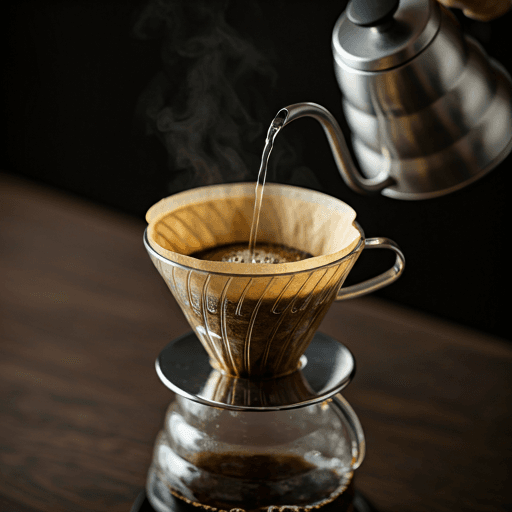
Yirgacheffe Coffee: Ethiopia's Floral, Washed Highland Origin
A guide to Yirgacheffe coffee — the floral, washed highland origin from Ethiopia's Gedeo Zone, prized for jasmine, bergamot citrus and a clean, tea-like cup.
Explainer
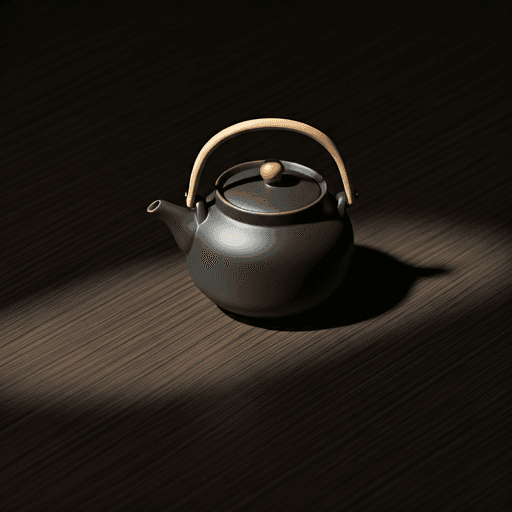
Papua New Guinea Tea: Highland Tea of the Wahgi Valley
Papua New Guinea grows bright, brisk CTC black tea in the highland Wahgi Valley — a small equatorial-highland industry, plucked year-round and often grown pesticide-free.
Explainer
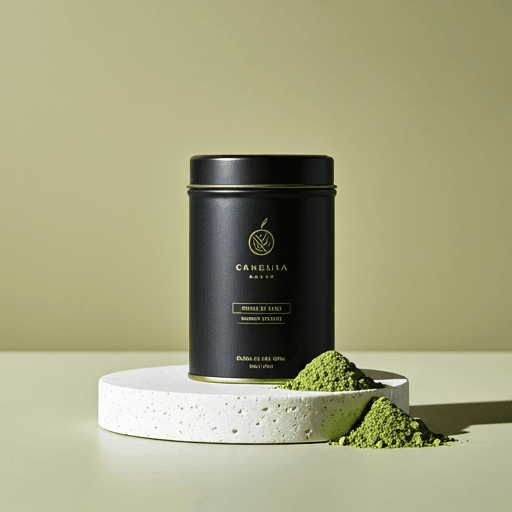
Ugandan Tea: East Africa's High-Grown Blend Workhorse
Ugandan tea is East Africa's high-grown blend workhorse: bright, brisk, coloury CTC black tea from the western highlands and the Lake Victoria basin. Here is where it grows, why the land matters, and the comeback story that defines it - an industry nearly lost in the 1970s and rebuilt from the late 1980s.
Explainer
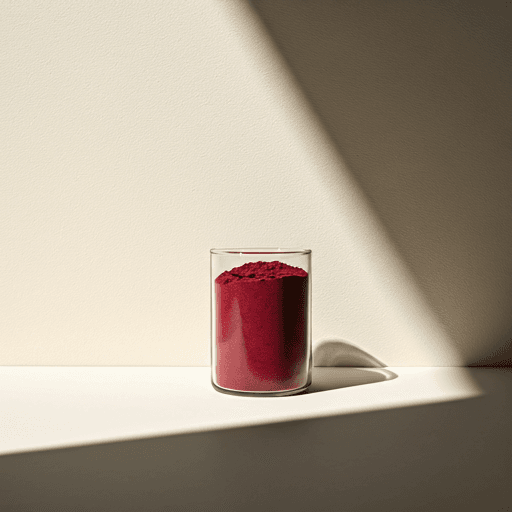
Mozambique Tea: The Gurué Highlands Origin
Mozambique tea is black tea from the high, rainy Gurué highlands of Zambézia — a Portuguese-colonial industry that once outshipped every African rival, collapsed during the civil war, and is now being slowly replanted for the world's blend market.
Explainer
Australian Tea: Tropical Black Tea from Far North Queensland
Australia grows real Camellia sinensis tea, mostly bright, brisk black tea from Far North Queensland's Atherton Tablelands. Meet Nerada, a machine-harvested tropical crop, and how it differs from tea tree and lemon myrtle.
Explainer
Ethiopian Wush Wush: A Specialty Tea from the Kaffa Highlands
Wush Wush is a smooth, sweet, fruity specialty tea grown high in the Kaffa highlands of southwestern Ethiopia — the birthplace of coffee. Here is what it is, where it grows and how it tastes.
Explainer
Cui Yu: Taiwan's Jade Oolong (TTES No. 13)
Cui Yu, or jade oolong (TTES No. 13), is a purpose-bred Taiwanese cultivar released in 1981 alongside milk-oolong Jin Xuan — floral, ball-rolled and magnolia-scented. Here's its cultivar story, terroir and flavor.
Explainer
Aracha: Japan's Unrefined Crude Tea, Explained
Aracha is Japan's crude, unrefined green tea — the semi-finished stage a farm produces before a merchant fires, sorts and blends it into sencha. Here is what aracha is, how shiage finishing works, and why kukicha, mecha and konacha all come from it.
Explainer
Guangdong Da Ye Qing: The Big-Leaf Yellow Tea
A classic yellow tea from Guangdong whose "green" name misleads: Da Ye Qing is made from large-leaf tea plants and finished with the men huang yellowing step, giving a deep golden, toasted-rice cup far heartier than the delicate bud-style yellow teas.
Explainer
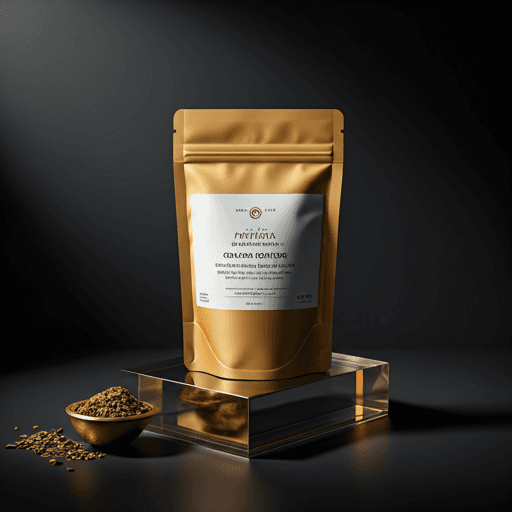
Pingyang Huangtang: Zhejiang's Yellow Soup Tea
Pingyang Huangtang is a rare Chinese yellow tea from Pingyang county in Zhejiang, made green-style then softened by the slow men huang yellowing step. Here is its origin, its bright yellow "soup," the near-loss and revival, its taste, and how it compares to Junshan Yinzhen and Huoshan Huangya.
Explainer
Tian Jian: Anhua's Loose-Leaf Dark Tea & the Three Tips
Tian Jian, the "Heaven Tip," is the tender, unpressed top grade of Anhua's loose-leaf dark tea — the cleanest, sweetest of Hunan's three tips.
Explainer
Hei Zhuan: Hunan's Black Brick Dark Tea
Hei zhuan (black brick) is the everyday border-trade brick of Hunan's Anhua dark-tea family — coarse leaf, pile-fermented and pressed hard into a firm slab that brews a smooth, woody, mellow cup and ages well.
Explainer
Xing Ren Xiang: Almond-Aroma Phoenix Dancong Oolong
Xing Ren Xiang is the almond-aroma outlier of Phoenix Dancong oolong — a warm, marzipan-scented single-bush tea from Chaozhou, Guangdong. Here is where it grows, why the roast matters, and how its nutty character sets it apart from the floral dancongs.
Explainer
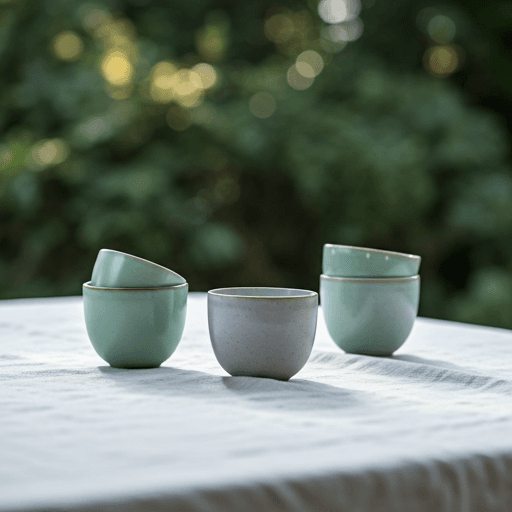
Zhi Lan Xiang: Phoenix Orchid-Aroma Dancong Oolong
Zhi Lan Xiang, the "Orchid Fragrance" of Phoenix Dancong, is the elegant orchid benchmark of Chaozhou's aroma-type spectrum — restrained florals over a smooth, honeyed body, with a long sweet hui gan.
Explainer
Ya Shi Xiang: Phoenix Duck-Shit Aroma Dancong Oolong
Ya Shi Xiang, the "duck shit aroma" Phoenix Dancong from Chaozhou, hides an intensely floral, gardenia-and-orchid oolong behind a deliberately ugly name. Here is the story behind the name, the terroir, the flavour and how to brew it.
Explainer
Mi Lan Xiang: Phoenix Honey-Orchid Dancong Oolong
Mi Lan Xiang ("Honey Orchid Fragrance") is the most popular aroma-type of Phoenix Dancong oolong, a twisted, roasted tea from the Phoenix Mountains of Chaozhou, Guangdong. Here's where it grows, why the single-bush tradition made it the honey-orchid benchmark, what it tastes like, and how to brew it.
Explainer
Ban Tian Yao: Wuyi's Half-Sky Cliff Oolong
Ban Tian Yao is a roasted Wuyi rock oolong whose mother bushes cling to a high cliff "halfway up the sky." Here's the famous-bush yancha's name legend, terroir, honeyed-herbal flavor, and how to brew it.