
Starbucks Reserve is the company's premium coffee line — small-lot, often single-origin, and sometimes genuinely rare beans, marked with a star-and-"R" logo rather than the familiar green siren. The Starbucks Reserve Roastery is something bigger: a vast, theatrical destination where those beans are roasted on site and served as espresso, pour-over, cold brew, and even coffee cocktails. Think of Reserve as the coffee, and the Roastery as the cathedral built around it.
If you have ever spotted a black-and-clear Starbucks cup with an unfamiliar logo, or seen photos of a copper-clad megastore with a roaster the size of a bus, you have met two halves of the same idea. This guide explains what each one is, how it differs from a normal Starbucks store, and what you actually find inside a Roastery.
What is Starbucks Reserve?
Starbucks Reserve is a premium tier within the wider Starbucks world. The program took shape around 2010, when the company began selling small-batch arabica coffees online and in select stores, moving to compete in the specialty, high-end market that smaller independent roasters had been defining. Where a standard Starbucks blend is built for consistency across thousands of stores, a Reserve coffee is the opposite: a limited, small-lot batch sourced from a specific region or single farm, often available only while supplies last.
The defining traits are worth spelling out:
- Small-lot and single-origin. Many Reserve coffees come from one origin — a single country, region, or estate — rather than a blend, so the cup reflects the character of that place.
- Rare and limited. Some lots are produced in tiny volumes, which is the whole point. They rotate in and out, so the Reserve menu is never quite the same twice.
- A distinct identity. Reserve coffees carry a star-and-"R" logo and travel in their own packaging and slimmer cups, deliberately set apart from the green siren you see on the everyday menu.
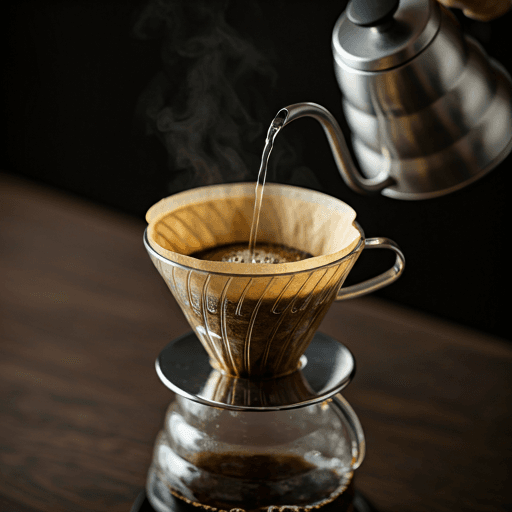
- Brewed with care. Reserve beans are frequently served through slower, more deliberate methods — pour-over, Chemex, siphon, and cold brew — that show off a coffee's nuance.
You do not need a Roastery to drink Reserve coffee. It also appears at smaller Reserve Bars tucked inside select regular Starbucks locations, and at a handful of standalone Reserve Stores in premium spots around the world. A Reserve Bar is simply a counter, within an otherwise ordinary store, dedicated to brewing these premium beans by hand. For the full picture of the company itself, see our Starbucks brand guide.
What is the Starbucks Reserve Roastery?
The Starbucks Reserve Roastery is the program's flagship experience: an enormous, immersive space — often tens of thousands of square feet — where green coffee is actually roasted in front of you, then brewed and served across multiple bars. These are not quick-stop cafes. They are designed as destinations, closer to a working coffee theatre than a place to grab a takeaway cup.
The first one opened in Seattle in December 2014, near the company's hometown roots, and set the template: a giant copper cask, a visible production line, and a sense of spectacle. (That original Seattle Roastery closed in September 2025 during a wider restructuring, but the model lived on elsewhere.) A small global family of Roasteries followed:
| Reserve Roastery | Opened | Note |
|---|---|---|
| Seattle | December 2014 | The first; pioneered the format (closed September 2025) |
| Shanghai | December 2017 | One of the largest at opening |
| Milan | September 2018 | Set inside a historic former post office building |
| New York City | December 2018 | Spans multiple floors in Manhattan |
| Tokyo | February 2019 | A purpose-built structure |
| Chicago | November 2019 | Opened as the largest of the set at about 35,000 square feet |
Each Roastery leans into its city. The Milan location occupies a grand historic building, a deliberate nod to Italy's espresso heritage; the Tokyo Roastery was built from the ground up for the purpose; and the New York and Chicago sites stack several floors of bars, seating, and viewing areas. Local menus, local design, and locally relevant touches mean no two Roasteries feel identical.
The Starbucks Reserve roaster on the floor
The heart of every Roastery is the Starbucks Reserve roaster itself — the large industrial roasting machine on open display. Raw green beans arrive, get roasted in view of customers, and travel through gleaming pipes and silos to the bars where drinks are made. Watching the roast happen is a big part of the appeal, and it is the most visible way a Roastery differs from any other store. To understand what that machine and the people running it are actually doing, our explainers on what a coffee roaster does and the broader coffee roasters guide go deeper into the craft.
What you find inside a Reserve Roastery
Beyond the roasting drum, a Roastery is built around variety and ceremony. Expect to see most or all of the following:
- Multiple coffee bars. Separate stations for espresso drinks, hand-poured methods like Chemex and pour-over, dramatic siphon (vacuum) brewing, and cold brew — including barrel-aged versions at some locations.
- An Arriviamo cocktail bar. Many Roasteries serve coffee- and tea-based cocktails and mixed drinks, blurring the line between cafe and bar.
- Princi bakery. The Italian artisan bakery Princi operates inside several Roasteries, serving fresh bread, pastries, focaccia, and pizza baked on site.
- Tasting flights and exclusive lots. The rarest Reserve coffees often show up here first, sometimes as flights so you can compare origins side by side.
- Merchandise and a sense of place. Each location carries Roastery-specific gear and design details tied to its city.
One practical detail: Roasteries are about lingering, not speed. There is no drive-thru, the menus shift by location, and at busy sites a reservation can help. That is the opposite of the convenience-first promise of a normal store.
Reserve Roastery vs Reserve Bar vs a regular Starbucks
The three formats are easy to mix up, so here is the short version of how they relate:
| Format | What it is | Roasts on site? | Best for |
|---|---|---|---|
| Regular Starbucks | The everyday store with the standard menu and automated espresso | No | Speed, consistency, convenience |
| Reserve Bar | A premium counter inside select regular stores, serving Reserve beans by hand | No | Trying Reserve coffee without a special trip |
| Reserve Roastery | A large standalone destination that roasts, brews, bakes, and mixes cocktails | Yes | A full coffee experience and the rarest lots |
In plain terms: a regular store is built for your morning routine, a Reserve Bar lets you taste premium coffee on a normal day out, and a Reserve Roastery is a planned outing in its own right. Pricing reflects this — Roastery drinks and rare lots sit at the premium end, and costs vary by country and location, so it is best to check locally rather than assume a figure.
Is Starbucks Reserve worth seeking out?
If you are curious about coffee — what a single origin tastes like, how siphon brewing works, or simply what a working roaster looks and smells like up close — a Reserve Roastery is a memorable visit, even for non-Starbucks regulars. The Reserve Bars are a lower-commitment way in: you can order a hand-brewed premium coffee at certain stores and decide for yourself whether the slower method changes the cup. And the everyday lesson holds anywhere: small-lot, single-origin, freshly roasted coffee genuinely tastes different from a high-volume blend.
Reserve is just one corner of a much larger specialty coffee world. If the idea of small-batch, locally roasted beans appeals to you, the same qualities exist at independent roasters all over the map — our guide to finding specialty coffee roasters near you is a good next step for chasing that same fresh-roasted character closer to home.