
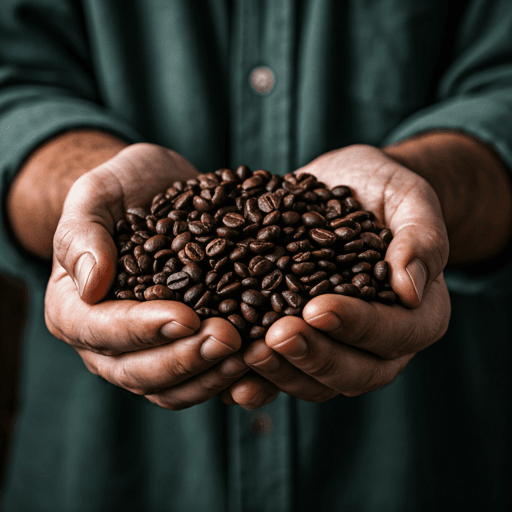
Peet's coffee is built on one stubborn idea: roast great beans darker, fresher, and with more care than anyone else. The brand's beans are known for a bold, full-bodied, low-acidity cup, anchored by the famous Major Dickason's Blend. This guide focuses on the beans themselves and how to brew them well. If you want the story of the company, the Berkeley cafe, and how Alfred Peet mentored the people who went on to found Starbucks, read our companion piece, Peet's Coffee & Tea explained, then come back here for the roast craft.
What makes Peet's coffee different
When Alfred Peet opened his first shop in Berkeley, California in 1966, most American coffee was thin, stale, and lightly roasted. Peet, who grew up in the Netherlands where his father ran a small coffee-roasting business, found it disappointing. He had apprenticed in the tea and coffee trade in Europe and worked in Indonesia, where he fell for the syrupy richness of dark-roasted coffee. His answer in Berkeley was to roast deeper and to insist on high-quality arabica beans, building a profile he pursued toward a dark, sweet, even character. That dark-roast philosophy is still the brand's signature. It is why people who like Peet's tend to find lighter, brighter coffees a little thin by comparison, and why the flavour leans toward chocolate, caramelised sugar, and deep, rounded body rather than fruit and acidity.
Two things define the house style. The first is roast level: Peet's pushes beans further into the dark range than many specialty roasters, developing toasted, full-bodied flavours while aiming to keep harsh bitterness in check. A well-judged dark roast is not the same as a burnt one, and that distinction is the whole craft. The second is freshness. The brand roasts to order and ships beans soon after roasting rather than letting them sit on a shelf for months. Coffee is at its best in the weeks just after roasting, so roast-to-order delivery is a genuine quality advantage, not just marketing. Peet himself was famous for tasting batches obsessively and rejecting anything that missed the mark.
Major Dickason's Blend: the beans Peet's is known for
If one bag represents the brand, it is Major Dickason's Blend. The story behind it is part of the appeal. In 1969, a loyal customer of the original Berkeley store, a retired army sergeant named Key Dickason, brought Alfred Peet an idea for a blend. The two worked through countless combinations before settling on the recipe that became the all-time bestseller. Peet thought so highly of the result that he gave his friend a symbolic promotion from sergeant to major in the name.
The blend pulls together top beans from premier growing regions, leaning on Latin American and Indo-Pacific origins. The aim is a cup where each origin contributes character but everything rounds into something smooth and balanced. In the cup it is dark, full-bodied, and complex, with low perceived acidity and a long finish. It is the coffee that most clearly captures what people mean when they talk about Peet's and coffee in the same breath, and it is still the bag most newcomers are pointed toward first.
The wider Peet's bean range
Major Dickason's is the flagship, but the lineup is broad. The classic dark roasts include named blends alongside the brand's dark single-style roasts, often listed as Italian Roast, French Roast, and Vienna Roast. French Roast is a useful example of the house approach: it is the brand's darkest blend, leaning on dense Latin American beans, yet it aims for caramelised sweetness and a pleasant bite rather than the scorched, ashy taste a careless dark roast can produce.
Peet's also makes lighter offerings for drinkers who do not want everything at full intensity. Big Bang, created to mark the brand's 50th anniversary as a tribute to Alfred Peet, is a brighter medium roast that blends sweet Latin American coffees with a citrusy lift from Ethiopian beans. There are single-origin coffees and seasonal releases too, so the range is not only dark roasts. Still, the dark end is where Peet's identity lives, and most newcomers start there before deciding whether they want to dial the intensity up or down.
How the main bean styles compare
| Bean / blend | Roast level | Flavour character | Good for |
|---|---|---|---|
| Major Dickason's Blend | Dark | Bold, full-bodied, complex, low acidity | Everyday cup, the classic introduction |
| French Roast | Dark (darkest) | Deep, smoky, caramelised, with a pleasant bite | Lovers of intense dark coffee |
| Espresso Forte | Dark (espresso) | Stout body, rich, built for crema | Home espresso and milk drinks |
| Big Bang | Medium | Brighter, livelier, citrusy lift | Those who find dark roasts too heavy |
| Decaf range | Mostly dark | Same bold style, caffeine removed | Evenings and caffeine-sensitive drinkers |
Espresso and decaf options
For espresso, the brand offers blends built specifically for the format, such as Espresso Forte, which is roasted for a stout body, rich flavour, and good crema under pressure. It balances earthy Indo-Pacific depth against livelier beans from the Americas. A dark espresso blend like this suits milk-based drinks well, since the bold roast carries through steamed milk in a latte or cappuccino rather than disappearing.
The decaf range is more serious than many. Peet's makes decaffeinated versions in its signature dark style, including a decaf Major Dickason's, a decaf House Blend, a decaf French Roast, and a decaf Big Bang. The point is that you do not have to trade flavour for the lack of caffeine. If you are weighing up decaf in general, our decaf coffee explainer covers how the caffeine is removed and what to expect in the cup.
Buying the beans: whole bean, ground, and subscriptions
Peet's sells beans both whole and pre-ground, and online orders can be ground for a specific method, such as drip, French press, or espresso. Whole bean is the better choice if you own a grinder, because coffee starts losing aroma quickly once ground. The brand also runs a subscription that delivers freshly roasted coffee on a schedule you control, which is the simplest way to keep a steady supply of recently roasted beans at home.
Beyond the brand's own channels, Peet's bagged beans are widely sold in supermarkets across many countries. Prices vary by country, retailer, and bag size, so treat Peet's as a mid-range to premium grocery bean rather than a budget one, and compare locally. As with any roaster, the freshest beans come from buying recently roasted stock and using it within a few weeks. Check the roast date on the bag where it is printed, and buy a size you will finish before the aroma fades.
How to brew Peet's coffee at home
Dark roasts reward a slightly gentler approach than bright, acidic coffees. A few habits get the best from the beans:
- Grind fresh and to the method. Coarse for French press, medium for drip, fine for espresso. A burr grinder gives the even grind dark roasts need to avoid bitterness.
- Mind the water temperature. Very hot, fully boiling water can over-extract a dark roast and pull out harshness. Water just off the boil is safer.
- Start with a standard ratio. Around one to two tablespoons of grounds per cup, then adjust to taste. Dark roasts taste fuller, so you may use slightly less than you would with a light roast.
- Match the method to the style. French press and drip both flatter Major Dickason's; an espresso blend like Espresso Forte shines through a moka pot or espresso machine, especially in milk drinks.
- Store beans well. Keep them in an airtight container away from heat and light, and do not freeze small daily amounts; moisture is the enemy of a dark roast's oils.
If you are new to dark, bold beans, this brand is one of the clearest places to understand what the style tastes like. To go deeper on the beans behind the blends, read our guide to arabica coffee beans, and to understand the wider world of roasters and how dark-roast houses fit into it, see our coffee roasters guide. From there, the best teacher is a fresh bag and a quiet morning.