
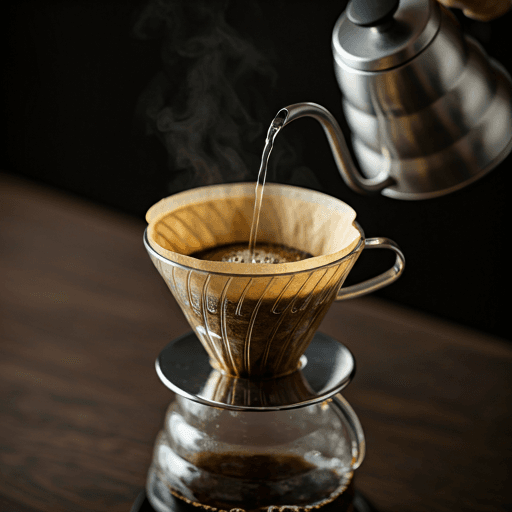
A ristretto is a short espresso shot pulled with less water, giving a smaller, more concentrated yield, usually around 15 to 20 ml. The name means "restricted" in Italian, and that is exactly the idea: you stop the shot early, so you capture only the first, sweetest part of the extraction. The result tastes rounder and less bitter than a normal espresso, with a syrupy body and bright, almost fruity aromatics.
If espresso is the base of nearly every coffee drink, the ristretto is its sweeter, more intense sibling. Below we break down what makes a ristretto shot different from a regular shot and a lungo, why it tastes the way it does, and how baristas use it in milk drinks.
What is a ristretto, exactly?
A ristretto coffee starts the same way as any espresso: finely ground coffee, tamped into a portafilter, with hot water forced through under pressure. The difference is in the yield — how much liquid you let out before stopping the shot. A standard espresso typically runs at roughly a 1:2 ratio (for example, 18 grams of coffee in, about 36 grams of liquid out). A ristretto cuts that yield roughly in half, closer to a 1:1 ratio, so the same dose of coffee gives you a much smaller, denser cup.
Because you are passing less water through the same puck, a ristretto shot is more concentrated, thicker in texture, and noticeably sweeter. Many baristas also grind a touch finer to keep the timing right. The Italian word "ristretto" literally signals this restraint — you are restricting the water, not the flavor.
The shortcut to remember: a ristretto is the same coffee as espresso, but you stop pouring sooner.
The extraction spectrum: ristretto, espresso, lungo
The easiest way to understand a ristretto is to place it on a spectrum. As more water flows through the coffee, you extract more compounds — first the bright, sweet, acidic ones, then the heavier, more bitter ones near the end. Where you stop determines the style of shot:
| Shot | Meaning | Rough ratio | Typical yield | Taste |
|---|---|---|---|---|
| Ristretto | Restricted / short | ~1:1 | ~15-20 ml | Sweet, syrupy, intense, low bitterness |
| Espresso (normale) | Standard shot | ~1:2 | ~25-35 ml | Balanced sweet, acid and bitter |
| Lungo | Long | ~1:3 or more | ~50-60 ml | Lighter body, more bitter, more caffeine drawn out |
Read left to right and you are simply running more water through the same coffee. The ristretto sits at the short end, the lungo at the long end, and the classic espresso in the middle. None is "better" — they are different tools for different moods.
How a ristretto differs from a normal espresso
A normal espresso is balanced by design: enough water passes through to round out sweetness, acidity and a hint of bitterness. A ristretto stops before the bitter, watery tail arrives. So compared to a standard shot, a ristretto is shorter, darker-looking, thicker on the tongue, and sweeter. You get less liquid but a more vivid hit of the bean's best character.
How a ristretto differs from a lungo
A lungo is the mirror image of a ristretto. It pulls extra water through the puck, drawing out more of the late, bitter compounds and a bit more caffeine. A lungo is bigger, lighter-bodied and more bitter; a ristretto is smaller, denser and sweeter. If you want a quick comparison of the long end, the lungo guide covers it in detail.
Why does a ristretto taste sweeter?
This is the part that surprises people: how can less water make a sweeter cup? The answer is in the order of extraction. When water moves through ground coffee, the most soluble flavors come out first — sugars, fruity acids and aromatic oils. The harsher, more bitter and astringent compounds dissolve later in the shot.
By cutting the shot short, a ristretto captures the early, sweet fraction and leaves most of the bitterness behind in the puck. There is no added sugar involved; the sweetness is simply what is left when you do not over-extract. That is why a well-pulled cafe ristretto can taste almost candy-like next to a longer shot of the very same coffee.
- Early extraction: sugars, bright acids, floral and fruity aromatics — captured.
- Late extraction: bitter and astringent compounds — mostly left behind.
- Net effect: a smaller cup that reads as sweeter and smoother.
The ristretto as a base for milk drinks
A ristretto is not only a sipping shot. Its concentrated, sweet character makes it a popular base for milk-based coffee, because it can stand up to steamed milk without tasting watery. Some cafes build a flat white or cortado on ristretto shots specifically to keep the coffee flavor punchy and rounded under all that milk.
One large coffee chain is well known for pulling ristretto shots as the default base for several of its milk drinks, which is part of why those drinks taste smooth and a little sweet even without syrup. You can do the same at home: pull a short, sweet shot, then add steamed milk for a richer, less bitter latte or flat white.
Single vs double ristretto
Just like espresso, a ristretto can be single or double. A double ristretto uses a double dose of coffee for a larger but still short and intense pour. If you are curious how doubling works across the board, the doppio guide explains the double-shot family — a doppio is a double espresso, and a double ristretto applies the same idea to the restricted pour.
How to pull a ristretto at home
If you have an espresso machine, a ristretto is one of the easiest variations to try. You are not buying anything new — you are just stopping the shot sooner.
- Dose and grind: use your usual espresso dose, but grind a little finer to slow the flow.
- Tamp evenly: a level, firm tamp keeps the water from rushing through one channel.
- Start the shot: begin extraction as normal and watch the stream.
- Stop early: cut the shot at roughly half your usual yield — around a 1:1 coffee-to-liquid ratio.
- Taste: it should be thick, dark and sweet. If it is sour or thin, grind finer; if harsh, you may be running too long.
Pod and capsule machines often have a dedicated ristretto button that simply dispenses less water, so you can taste the style without dialing anything in.
Is a ristretto stronger than espresso?
"Stronger" depends on what you mean. By flavor and concentration, yes — a ristretto is more intense per sip because there is less water diluting it. By total caffeine, not necessarily: because so much caffeine is extracted in the early phase, a ristretto and a regular espresso from the same dose end up fairly close, and a longer shot can even draw out slightly more total caffeine. So a ristretto tastes bolder, but it is not a caffeine bomb. If caffeine is your real question, our caffeine explainer goes deeper.
Where the ristretto fits in your coffee world
The ristretto is a small lesson in a big idea: with espresso, when you stop matters as much as what you start with. Pull short for sweetness and intensity, pull long for a lighter, more bitter cup, or land in the middle for balance. Once you taste the difference, you will start hearing it in every shot.
From here, explore the rest of the espresso family — see how the base shot is built in our espresso guide, then compare it with the lungo at the other end of the spectrum. Or keep going and browse the wider world of espresso drinks in types of coffee drinks.