
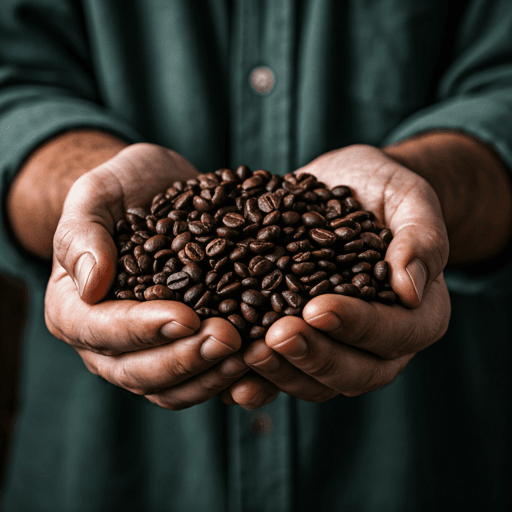
Sidra is a rare, high-scoring specialty Arabica most closely associated with Ecuador — and increasingly Colombia — celebrated for a delicate, floral, tea-like cup that many drinkers compare to Geisha. Its genetics are genuinely murky and much debated: it is widely described as a Bourbon x Typica selection, reportedly refined on Ecuadorian estates, but no single, verified pedigree has been settled. What is not disputed is its reputation as a competition and auction darling.
What is the Sidra variety?
Sidra (sometimes written "Sidra" or confused with "Bourbon Sidra") is a name that has risen to prominence over roughly the past decade through its appearance in barista championships, Cup of Excellence-style auctions, and the lists of the world's most expensive green coffees. It belongs to Coffea arabica, the same species as nearly all fine specialty coffee, and is grown almost entirely in the high-altitude producing zones of the northern Andes.
Unlike well-documented cultivars with clear breeding records, Sidra is best understood as a selection — a plant type refined and stabilized on farms rather than formally released by a research institute. That informal history is precisely why its lineage remains contested, and why any honest account has to use measured language rather than assert a tidy family tree.
The disputed lineage: Bourbon x Typica and beyond
The most commonly repeated story is that Sidra descends from a cross or blend involving Bourbon and Typica, the two foundational Arabica lineages from which a great many classic cultivars derive. Because both parents are themselves old, genetically related lines, the "Bourbon x Typica" description is plausible but hard to verify with certainty.
Several additional threads appear in the record, and they should be treated as reports rather than settled fact:
- Estate selection in Ecuador. Sidra is frequently said to have been identified and refined on Ecuadorian specialty estates, where growers selected for cup quality over yield.
- Old commercial/research lines. Some accounts tie Sidra to historic commercial research plantings — including material sometimes linked to mid-twentieth-century agronomy programs associated with large food companies such as Nestlé — from which distinctive plants were later isolated. This connection is widely repeated but not firmly documented.
- Relationship to other "boutique" selections. Sidra is often mentioned alongside other prized Ecuadorian and Colombian selections, and there is ongoing discussion about how closely these are related.
The responsible summary: Sidra is generally described as a Bourbon-Typica-derived selection refined in Ecuador, but its exact parentage is disputed, and DNA-level confirmation is not part of the public record. Buyers and roasters should treat lineage claims with appropriate caution.
Sidra versus "Bourbon Sidra"
A persistent source of confusion is the name "Bourbon Sidra." Some farms and roasters use "Sidra" and "Bourbon Sidra" interchangeably; others treat them as distinct selections. There is no universally agreed dividing line, and naming on lot labels is inconsistent across origins. When you see "Bourbon Sidra," it is worth asking the importer or producer what they specifically mean, because the term does not carry a single fixed definition across the industry.
Why Sidra tastes the way it does
Sidra's fame rests overwhelmingly on its cup. At its best it is often described in terms strikingly similar to how people talk about Geisha: intensely aromatic and floral, with a light, tea-like body and vivid high-toned acidity. Common descriptors include:
- Floral: jasmine, orange blossom, and other white-flower notes.
- Citrus and bergamot: an Earl Grey-like, perfumed citrus character.
- Stone fruit: peach, apricot, and sometimes tropical or berry nuances.
- Tea-like structure: a delicate, silky, almost translucent body rather than heavy richness.
These traits make Sidra a natural fit for careful filter brewing and for the kind of clarity-focused presentation valued in competition. Processing choices — washed, honey, or various anaerobic and extended-fermentation approaches — can push the profile toward cleaner floral clarity or toward bigger, funkier fruit, which is part of why competition lots vary so widely.
Growing Sidra: high altitude, low yield, high value
Sidra is most strongly identified with Ecuador, and in particular with high-elevation zones such as the Pichincha region near the equator, where cool nights and extreme altitude slow cherry maturation and concentrate flavor. It is also grown in parts of Colombia, and interest is spreading as producers chase the same cup that has earned Sidra its reputation.
The variety is not easy or cheap to grow, and that scarcity is central to its story:
| Trait | General characterization |
|---|---|
| Species | Coffea arabica |
| Reported lineage | Bourbon x Typica selection (disputed) |
| Signature origin | Ecuador (e.g. Pichincha); also Colombia |
| Preferred altitude | Very high elevation |
| Yield | Low |
| Disease resistance | Generally limited (typical of classic Arabica lines) |
| Cup reputation | Floral, Geisha-like, competition-grade |
Low productivity, demanding altitude requirements, and the meticulous picking and processing needed to hit top scores all mean Sidra is expensive to produce and rare on the market — which in turn feeds its status as a trophy coffee. Like many older Arabica selections, it tends not to carry strong resistance to major coffee diseases, so it rewards attentive farm management.
A competition and auction darling
More than any single farm story, Sidra's rise has been driven by results in the glass. It has featured repeatedly in barista and brewing competitions at the highest level and has commanded striking sums in specialty green-coffee auctions, placing it in the same conversation as Geisha as one of the most sought-after cup profiles in the world. That visibility created a feedback loop: strong scores drew attention, attention drew investment, and investment expanded plantings and refined processing.
For anyone building a broader picture of the modern quality movement, Sidra is a useful case study in how a single distinctive cup can turn an obscure selection into a global name. If you are new to the category, our overview of what specialty coffee means gives helpful context for why lots like this attract such attention.
Sidra and Geisha: a shared cup, different stories
Because Sidra so often gets called a "Geisha alternative," it is worth being clear about what the comparison does and does not mean. The similarity is sensory rather than genetic: both can deliver an intensely floral, tea-like, jasmine-and-citrus cup that stands apart from the chocolate-and-nut profiles of more common coffees. But their histories diverge sharply. Geisha (also spelled Gesha) traces to collected Ethiopian material with a comparatively documented path through research stations, whereas Sidra is an estate-refined selection with a contested pedigree. In other words, the two may sit side by side on an auction table yet arrive there by very different routes.
For drinkers, the practical takeaway is that Sidra can scratch the same itch as Geisha — the perfume, the clarity, the delicacy — often while telling a distinctly Ecuadorian story. For buyers, it is a reminder not to read genetic kinship into a flavor resemblance. A shared descriptor list is not a shared family tree, and treating the two as interchangeable oversimplifies both the coffee and its origins.
How to approach Sidra as a drinker
Because Sidra lots are scarce and delicate, they reward gentle, clarity-oriented brewing — pour-over and other filter methods that showcase aromatics and acidity rather than mask them. Expect the experience to sit closer to a fragrant tea than to a dense, chocolatey espresso. A slightly finer grind, water a touch below boiling, and a gentle, even pour tend to protect the florals and keep the cup from turning astringent. And because labeling can be inconsistent, read producer notes carefully: the origin, the processing method, and how the farm defines "Sidra" versus "Bourbon Sidra" will all shape what lands in your cup.
Frequently asked questions
What is the Sidra coffee variety?
Sidra is a rare specialty Arabica most associated with high-altitude Ecuador, and increasingly Colombia. It is prized for an intensely floral, tea-like, Geisha-comparable cup. Rather than a formally released cultivar, it is best understood as an estate-refined selection, which is one reason its exact genetic background remains debated across the industry.
What is Sidra's lineage?
Sidra is most often described as a Bourbon x Typica selection refined on Ecuadorian estates, and some accounts tie it to old commercial or research plantings. However, its precise parentage is genuinely disputed and not confirmed at the DNA level in the public record, so any single-lineage claim should be treated with caution.
What does Sidra coffee taste like?
At its best, Sidra is highly aromatic and floral, with jasmine and orange-blossom notes, bergamot-like citrus, stone fruit such as peach and apricot, and a light, silky, tea-like body. Its clarity and high-toned acidity draw frequent comparisons to Geisha, and processing choices can shift it toward cleaner florals or bigger fruit.
How is Sidra different from Bourbon Sidra?
The terms are used inconsistently. Some producers treat "Sidra" and "Bourbon Sidra" as the same thing, while others describe them as distinct selections. There is no universally agreed definition, so if a lot is labeled "Bourbon Sidra," it is worth asking the producer or importer exactly what they mean.
Why is Sidra coffee so rare and valuable?
Sidra has low yields, demands very high altitudes, and requires meticulous picking and processing to reach top scores, all of which make it costly and scarce. Its repeated success in barista competitions and specialty auctions has amplified demand, cementing its reputation as a trophy coffee alongside Geisha.