
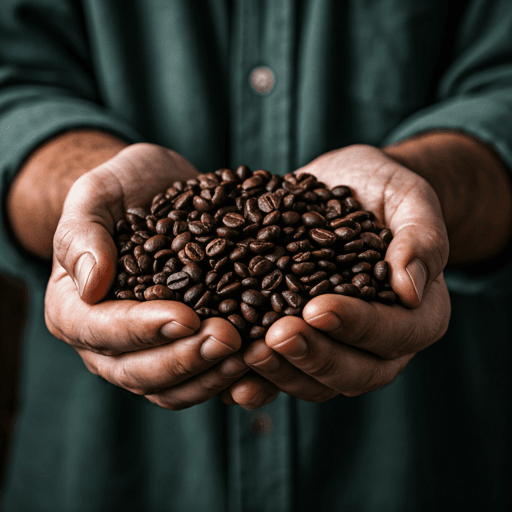
Geisha coffee (also spelled Gesha) is a prized arabica variety celebrated for one of the most distinctive cups in the coffee world: delicate, tea-like, and layered with jasmine, bergamot, and stone fruit. It is not a roast level or a single farm but a specific plant, one that traces back to the Gori Gesha forest of southwestern Ethiopia and shot to global fame when a Panama estate entered it into competition in 2004. What makes it fascinating is that a coffee so floral and light-bodied comes from the same species that gives us everyday breakfast blends.
What Is Geisha Coffee, Exactly?
Geisha coffee is a variety of Coffea arabica — a particular genetic lineage of the plant, in the same way that a specific grape variety sits within the wider category of wine grapes. This is the single most important thing to understand, because the name gets misused constantly. Geisha is not a region (though it started as one), not a roast, and not a processing method. It is the plant itself.
The variety produces tall, leggy trees with elongated leaves and long, slender coffee cherries. Those cherries carry an aromatic profile that most other arabica plants simply do not have. When people talk about “geisha coffee beans,” they mean beans harvested from this particular variety, regardless of where in the tropics it was grown. Today you will find it cultivated in Panama, Colombia, Ethiopia, Costa Rica, and beyond — but the plant is the constant. For the broader picture of how varieties sit within the species, our guide to arabica coffee beans explained is a good companion read on how lineages like Bourbon, Typica, and Geisha relate.
Two spellings, one plant
You will see both “Geisha” and “Gesha.” The word comes from the transliteration of an Amharic place name in Ethiopia, so “Gesha” is closer to the origin form and is often used for Ethiopian-grown coffee. “Geisha” became the common spelling in Central America, largely because that is how early seed lots were labeled. Both refer to the same variety; the spelling difference is history and marketing, not botany.
The Origin Story: From an Ethiopian Forest to Panama
The variety was collected in the 1930s from the mountainous Gesha area of southwestern Ethiopia, home to the wild forest coffee that gives arabica its deep genetic roots. From there it traveled a long, quiet path: to a research station in Tanzania, then to the CATIE research center in Costa Rica in the 1950s, and on to Panama by the 1960s, where farmers valued it partly for its tolerance of coffee leaf rust. For decades it grew in relative obscurity, often mixed in with other trees, its potential unrecognized.
The turning point came in 2004. The Peterson family, who run Hacienda La Esmeralda in the Boquete highlands of Panama, isolated their Geisha trees and entered the coffee into the Best of Panama competition. Judges tasted something they could barely believe — a cup so floral and tea-like it seemed to belong to a different beverage — and it won, then broke auction records. That single moment rewired the specialty coffee world and turned “panama geisha” into a byword for the pinnacle of the craft. For more on where the variety began, see our Ethiopian coffee guide.
What Does Geisha Coffee Taste Like?
The defining word is floral. A well-grown, well-roasted Geisha leads with jasmine and orange-blossom aromatics, backed by bergamot that tasters often compare to Earl Grey tea. Underneath sit sweet stone fruits — peach, apricot, sometimes mango or papaya — and a bright but rounded acidity that reads as sweet rather than sharp. The body is famously light and silky, closer to a fine tea than to a bold, syrupy espresso.
That tea-like delicacy is exactly why Geisha polarizes people. Drinkers who love dark, bittersweet, chocolatey coffee sometimes find it thin or “not coffee enough.” Drinkers who chase clarity and aromatic complexity consider it a revelation. Neither is wrong — Geisha simply pushes arabica toward the fragrant, translucent end of the spectrum rather than the deep, roasty end. It is best understood as a coffee to sip slowly and analyze, not a mug to gulp on the commute.
Why Geisha Coffee Is So Rare and Expensive
Several factors stack up to make Geisha one of the scarcest coffees on earth:
- Low yield. The trees are relatively unproductive, giving fewer cherries per plant than commercial workhorses. A farmer devotes land and years to a crop that returns comparatively little volume.
- High-altitude demands. The most celebrated Geisha is grown at very high elevations, where cool nights slow the cherries and concentrate their aromatics. That terrain is limited and hard to farm.
- A fragile, finicky plant. Geisha trees can be delicate and slow to establish, needing careful cultivation to express their signature florals.
- Intense hand labor. Selective picking of perfectly ripe cherries and meticulous processing are essential; there is no shortcut to the clean, layered cup.
On top of scarcity sits demand. Top competition lots have repeatedly shattered green-coffee auction records, and each new record fuels the mystique further. It is genuinely one of the coffees that shows up whenever people discuss the most expensive coffee in the world. That said, price and quality are not identical — a coffee earns the specialty grade through cupping scores and traceability, and Geisha commands its premium because the best lots genuinely deliver, not merely because of the name on the bag.
Geisha vs a Typical Arabica
A quick decoder for how the variety differs from a standard commercial arabica:
| Geisha (Gesha) | Typical arabica | |
|---|---|---|
| What it is | A specific arabica variety | Broad category (Bourbon, Typica, Caturra, blends) |
| Plant & yield | Tall, leggy, low-yielding, altitude-loving | Varies; generally higher, more reliable yields |
| Flavor | Jasmine, bergamot, stone fruit, tea-like | Chocolate, nut, caramel, balanced fruit |
| Body | Light, silky, delicate | Medium to full, rounder |
| Price tier | Ultra-premium; record auction lots | Everyday to premium |
| Best brew | Filter / pour-over to show clarity | Flexible — filter, espresso, moka, French press |
How Geisha Coffee Is Roasted and Brewed
Roasting: light, to protect the florals
Because the whole point of Geisha is its aromatic delicacy, most roasters take it to a light roast. Push it dark and the roast’s smoky, bittersweet notes bulldoze the jasmine and bergamot that make it special — you would be paying a fortune to taste char instead of the variety. A gentle roast preserves the high florals, the fruit sweetness, and the tea-like clarity. This is one coffee where restraint in the roaster pays off directly in the cup.
Brewing: filter methods that showcase clarity
Geisha shines in pour-over and other filter methods — a V60, Kalita, or Chemex — because a paper filter strips oils and delivers the clean, transparent cup the variety was made for. Use freshly ground beans, water a touch off the boil, and a slightly finer-than-usual filter grind to draw out the aromatics without harshness. Many drinkers keep it black; milk and sugar simply mask the florals you paid for. Geisha can be pulled as espresso too, and specialty bars do it beautifully, but for a first encounter a slow pour-over is the clearest window into what the fuss is about. If pour-over is new to you, keep it simple: rinse the paper, let the grounds bloom, then pour slowly in stages so the water draws out the aromatics evenly.
How to Spot Real Geisha vs Marketing
Because the name sells, “Geisha” sometimes appears on bags that do not live up to it. A few signals help you tell the real thing from a label play:
- Traceability. Genuine Geisha usually comes with detail: the country, region, farm or estate, altitude, and often the harvest year and processing method. Vagueness is a warning sign.
- The cup itself. Real Geisha is unmistakably floral and tea-like. If a coffee labeled Geisha tastes like a generic medium-dark blend with no jasmine or bergamot lift, the name is doing more work than the beans.
- Roast level. A reputable roaster keeps Geisha light. A very dark “Geisha” is a contradiction — the roast erases the exact qualities that justify the variety.
- Honest framing. Serious sellers explain why their lot is special rather than leaning on the word alone. Geisha is a variety, not a guarantee, and the best ones let the transparency speak.
None of this requires you to be an expert — it just means reading the bag as carefully as you would a wine label, and trusting your own palate over the hype.
The Bottom Line
Geisha is the coffee that taught the specialty world how aromatic, complex, and tea-like arabica can be. Born in an Ethiopian forest, made famous by a Panama estate, and prized for a jasmine-and-bergamot cup that no ordinary bean can match, it sits at the intersection of botany, terroir, and painstaking craft. It will not replace your everyday brew — nor is it meant to. Think of it as an occasional, contemplative pour: a small, floral reminder of just how far a single variety of coffee can travel, both across the map and across the flavor spectrum.