
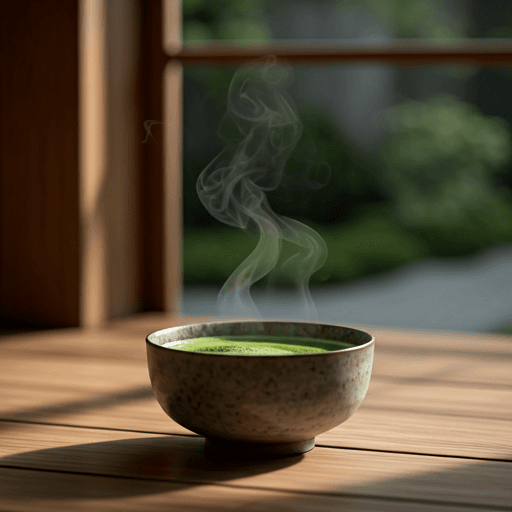
Learning how to make sumac tea takes about ten minutes and one ingredient you may already keep in the spice rack. Sumac tea is a tart, ruby-red, lemony, caffeine-free infusion made by steeping ground culinary sumac or crushed dried sumac berries in hot water for several minutes until the water turns pink-red, then straining and sweetening lightly. The flavor lands somewhere between fresh lemon and dried cranberry: sour, fruity, and genuinely refreshing hot or over ice.
Below you will find a simple sumac tea recipe, the amounts to use, a quick reference table, an iced pink-lemonade version, and one important note about choosing the right kind of sumac.
What sumac tea is (and what it tastes like)
Sumac is the deep-red spice made from the dried, ground berries of certain sumac shrubs, most famously Rhus coriaria. It is a cornerstone of Middle Eastern and Mediterranean cooking, sprinkled over grilled meats, salads, hummus, rice, and warm flatbreads for its bright, citrusy tang. That same tang is what makes it such a lovely cup: brewed in hot water, sumac gives up a rosy color and a sour, lemon-and-cranberry flavor with little bitterness and no caffeine at all.
Because it is a caffeine-free plant infusion rather than true tea from the Camellia sinensis bush, sumac tea belongs to the broad family of herbal teas, or tisanes. If you are new to steeping plants and spices, our guide on what herbal tea is covers the whole category, and how to brew herbal tea walks through general steeping technique. Sumac fits right in alongside other tart, ruby-red pours such as hibiscus tea and pomegranate tea, so if you love those, you will feel at home here.
Use culinary sumac, never poison sumac
This is the one thing to get right before anything else. The sumac you want is culinary sumac — the red cooking spice sold as ground sumac or as whole edible sumac berries in supermarkets, spice shops, and Middle Eastern and Mediterranean grocers. It is a normal, everyday food ingredient that removes all doubt about what you are brewing.
Poison sumac (Toxicodendron vernix) is a completely different, toxic wild plant that grows in wet, boggy ground and is related to poison ivy. It carries white or pale berries in loose, drooping clusters, and you never eat it or brew it — unlike edible sumac, whose berries are bright red and stand in upright, dense clusters. The two are not interchangeable, and foraging is where people run into trouble. The simplest safeguard is to buy culinary sumac from a shop, where it is clearly labeled as a food spice. If a jar simply says "sumac" and sits in the spice aisle, that is the edible, culinary kind you want.
What you'll need
- Culinary sumac — about 1 to 2 teaspoons of ground sumac per cup, or a small handful (roughly 1 to 2 tablespoons) of crushed dried sumac berries per cup for a sumac berry tea.
- Hot water — around 95 C (200 F), just off the boil, about 240 ml (8 oz) per cup.
- Optional honey or another sweetener, to taste (skip honey for infants under 12 months).
- A strip of lemon or orange peel for an extra citrus lift.
- A little fresh mint, if you like a cooler, garden note.
You will also want a fine sieve, a tea strainer, or a piece of muslin cloth. Ground sumac is powdery, so straining well is what separates a clean, bright cup from a gritty one.
How to Make Sumac Tea, Step by Step
- Measure the sumac. Put 1 to 2 teaspoons of ground culinary sumac, or a small handful of crushed dried berries, into a cup or a small teapot.
- Add hot water. Pour about 240 ml of roughly 95 C water over the sumac and give it a good stir so the powder disperses instead of clumping.
- Cover and steep. Rest a lid or saucer over the cup and let it steep for 8 to 10 minutes. The water will turn a cloudy pink-red as the tartness and color develop.
- Strain well. Pour the tea through a fine sieve or muslin cloth to catch the fine grit. For a really clear cup, strain it twice.
- Sweeten and finish. Stir in a little honey or sugar to soften the sourness, add a strip of lemon or orange peel or a sprig of mint, and serve hot.
Taste as you go. Sumac varies in strength from jar to jar, so if your first cup comes out too sharp, use a little less next time or steep for a shorter stretch; if it is too mild, add another half-teaspoon and give it a couple more minutes. Because sumac is fairly high in tannins, a very long or very hot steep can start to taste bitter, so keep the water just off the boil rather than at a hard rolling boil.
| Sumac form | Amount per cup | Steep time |
|---|---|---|
| Ground culinary sumac | 1 to 2 tsp | 8 to 10 min |
| Crushed dried sumac berries | Small handful (1 to 2 tbsp) | 10 to 15 min |
| Iced, pink-lemonade style | 2 tsp (brew stronger) | 10 min, then chill |
A quick tip: crush whole dried sumac berries lightly with the back of a spoon or a pestle before steeping. Breaking the skins helps them release more color and tang into the water.
Iced sumac tea, pink-lemonade style
This sumac tea recipe really shines over ice. Brew a stronger batch — use about 2 teaspoons of ground sumac per cup of water, or scale it up for a jug — steep for 10 minutes, then strain very well and let it cool. Sweeten while it is still warm so the honey or sugar dissolves cleanly, then pour it over plenty of ice. A squeeze of fresh lemon, a few mint leaves, and a splash of cold water to taste turn it into a rosy, sour-sweet cooler that drinks a lot like pink lemonade. It is a great caffeine-free option for a hot afternoon, and children usually love the color.
Getting the brightest flavor from sumac spice tea
A few small habits make a real difference to a cup of sumac spice tea. Use water that is hot but not at a hard rolling boil, since a gentler 95 C draws out the fruity tartness without any harshness. Give the powder a proper stir at the start so it does not sink into a clump at the bottom. Steep with a lid on to keep the heat in, and always strain more than you think you need to — the finest particles are what make a cup feel gritty. Finally, balance is everything with something this sour: a touch of sweetness and a strip of citrus peel let the lemony character sing rather than pinch.
Storing sumac
Keep ground sumac and dried sumac berries in an airtight jar somewhere cool, dark, and dry — a cupboard away from the heat of the stove is ideal. Like any spice, sumac slowly loses color and punch over time, so buy amounts you will use within several months to a year, and give the jar a sniff before brewing; a vivid red color and a sharp, citrusy smell mean it is still lively. Whole berries generally hold their flavor a little longer than pre-ground sumac.
Is sumac tea safe to drink?
Culinary sumac is a common food spice, and drinking it as a tea in normal amounts is simply another way to enjoy a familiar flavor. The single firm rule is the one above: use only culinary sumac from a trusted source, and never wild poison sumac.
People sometimes ask about wellness benefits. Sumac is valued first and foremost as a flavor, and any gentle feel-good effects vary a great deal from person to person — responses vary, and this is not medical advice. If you are pregnant or breastfeeding, or taking any medication, and you would like to drink sumac tea often rather than now and then, it is worth checking with your own healthcare provider first. As with any tart, tannin-rich drink, if you find it hard on a sensitive stomach, simply dial back the strength or enjoy it alongside food.