
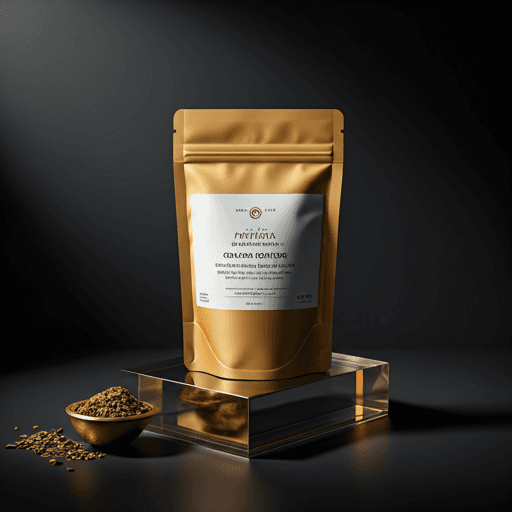
Plantain leaf tea is a mild, earthy-green, caffeine-free infusion made by steeping the leaves of common plantain or ribwort plantain in just-off-boil water for several minutes, until the cup turns pale gold-green with a soft, grassy, mushroom-and-spinach flavor. If you want to know how to make plantain leaf tea from scratch, the short version is simple: gather young, correctly identified leaves, rinse them well, pour hot water over them, cover, and let them steep. Below is the full method, a quick ratio table, and how to tell this humble lawn weed apart from the banana-like fruit that shares its name.
First, the plantain weed, not the banana
The plantain in this recipe is Plantago — a low, tough rosette of leaves you have almost certainly walked past on a lawn, a path edge, or a meadow. Two species are the usual candidates: broadleaf plantain (Plantago major), with wide oval leaves and deep parallel veins, and ribwort or narrowleaf plantain (Plantago lanceolata), with slim, lance-shaped leaves and a stubby brown flower head on a tall stalk. Both grow wild across Europe, the Americas, and much of the temperate world, which is part of why plantain weed tea turns up in so many folk traditions.
This is not the starchy, banana-shaped cooking plantain you fry or boil. Same everyday word, completely different plant. The cooking plantain is a fruit in the banana family; the plantain you brew here is a leafy ground plant. If your leaves came off something growing low in the grass with ribbed, lengthwise veins, you are looking at the right plant.
Which plantain leaves to use
Reach for young, tender leaves. Older outer leaves turn stringy and taste more bitter, while the small central leaves of the rosette are milder and greener. Whether you pick fresh or use dried loose leaf, the leaf should be clean, unblemished, and correctly identified — read the foraging note near the end before you gather your own.
A quick field check: both plantains grow as a flat rosette straight from the ground, with no woody stem, and the leaves carry prominent parallel veins running lengthwise. If you gently tear a leaf across, you will often see fine stringy fibers pull out of the veins like little threads, a classic sign you have the right plant. When in doubt, cross-check against a trusted regional plant guide rather than guessing.
- Fresh: a small handful of young leaves per cup, torn or roughly chopped so the water reaches more surface.
- Dried: about 1 to 2 teaspoons of crumbled dried leaf per cup.
How to make plantain leaf tea: ingredients
This is a forgiving plantain leaf tea recipe — the amounts are a starting point, not a rule.
- A small handful of fresh plantain leaves, or about 1 to 2 teaspoons dried, per cup (roughly 240 ml)
- Water, heated to about 90 to 95 C (just off the boil)
- Optional: a little honey, a squeeze of lemon, or a few fresh mint leaves
That is all you need. Plantago tea takes no special equipment beyond a mug, a strainer, and something to cover the cup while it steeps.
Step-by-step method
- Rinse. Wash the leaves thoroughly under cool running water to remove grit, dust, and anything the plant picked up outdoors.
- Tear. Tear or roughly chop fresh leaves; lightly crumble dried leaf. More broken surface means more flavor in the cup.
- Heat the water. Bring water to a boil, then let it settle for 30 seconds or so to reach about 90 to 95 C. Aggressively boiling water can flatten the delicate green notes.
- Pour and cover. Put the leaf in a mug or small pot, pour the hot water over it, and cover. Covering keeps the heat and the aromatic steam in the cup rather than letting it drift off.
- Steep. Let it sit 5 to 10 minutes. Shorter for a light, grassy cup; longer for a deeper, more mineral, spinach-like brew.
- Strain and finish. Strain out the leaf, then add honey, lemon, or mint to taste. Serve hot, or pour over ice for a cooler version.
| Leaf form | Amount per cup | Steep time |
|---|---|---|
| Fresh young leaves | Small handful, torn | 5-7 min |
| Dried loose leaf | 1-2 tsp, crumbled | 7-10 min |
| Iced (double strength) | Double the leaf | 8-10 min, then chill |
Flavor, and why people add mint or lemon
On its own, plantain is gentle to the point of shy. Expect something grassy and green, a touch earthy, closer to a mild leaf vegetable than to a floral or fruity tisane — many people describe faint notes of mushroom and cooked spinach. That mildness is exactly why it plays so well with a partner. A few mint leaves add lift and coolness; a squeeze of lemon brightens the green edge; a little honey rounds it out. It also blends happily into a wider herbal cup — if you like building your own mixes, the general approach in our guide on how to brew herbal tea carries straight over, and the same goes for other mild leaf infusions like mulberry leaf tea and olive leaf tea.
Iced and cold-brew versions
For iced plantain tea, brew a double-strength cup — twice the leaf, or the same leaf for a longer steep — strain it, and pour over a full glass of ice so the melt does not leave it watery. You can also cold-brew: put the leaf and cool, filtered water in a jar, refrigerate for 6 to 12 hours, then strain. Cold brewing draws out an even softer, sweeter, less grassy cup, and it is an easy way to make a jug ahead for a warm afternoon.
Storing dried plantain leaf
If you dry your own harvest or use loose leaf, keep it in an airtight jar or tin, away from light, heat, and moisture. Dried plantain leaf holds its (already subtle) flavor best within about a year; after that it fades rather than spoils, so trust your nose. Fresh leaves are best used the day you pick them, though they will keep a couple of days wrapped loosely in the refrigerator.
Foraging and safety notes
If you gather your own, forage only plantain you can identify with confidence, and only from clean, unsprayed ground — well away from roadsides, treated lawns, and anywhere pets or traffic pass through. Wash every leaf well. When you are unsure about identification, do not brew it; choose dried leaf from a reputable herbal supplier instead.
Plantain has a long history as an everyday folk tea, but keep expectations light: this is a pleasant caffeine-free drink to enjoy, not a remedy, and responses vary from person to person — none of this is medical advice. If you are pregnant or breastfeeding, or you take regular medication, and you would like to drink plantain leaf tea often, check with your own healthcare provider first. And if you want the broader background on what counts as a tisane and how these caffeine-free infusions work, our explainer on what herbal tea is covers it.