
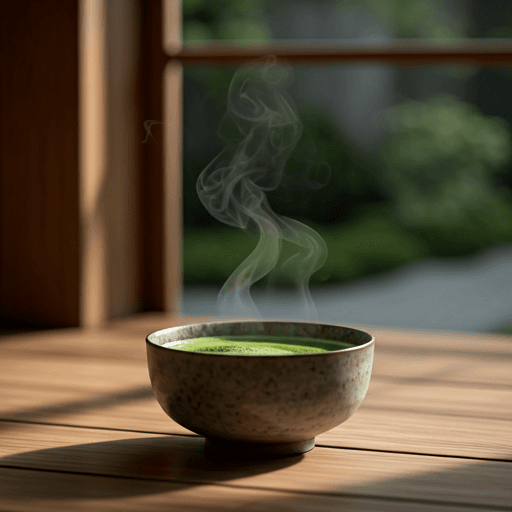
Here is how to make olive leaf tea: dry clean olive leaves until they are brittle, crumble about 1 teaspoon of the dried leaf into a cup, pour over hot water just off the boil, and steep — or gently simmer — for 5 to 10 minutes, then strain. The finished cup is golden, mild and faintly grassy-bitter, a drink with a long tradition around the Mediterranean that is lovely with a squeeze of lemon or a little honey.
You can brew olive leaves fresh or dried, from a tree in the garden or from a bag of loose leaf, and the method barely changes. Below is the full walk-through: what the drink actually is, how to dry and prepare the leaves, the amounts to use, a simple step-by-step, and how to serve it hot or iced. If you are new to caffeine-free botanical brewing in general, our guide to what herbal tea is covers the basics of tisanes, and how to brew herbal tea walks through the shared principles.
What Olive Leaf Tea Is (and What It Tastes Like)
Olive leaf tea is an infusion made from the leaves of the olive tree (Olea europaea) — the same tree that gives us olives and olive oil. It is not a "true" tea from the Camellia sinensis plant, so it is a caffeine-free herbal tisane you can sip at any hour. People around the Mediterranean have brewed the leaves for generations, and the drink has stayed popular as a gentle, everyday cup. Whether you see it called olive leaf tea or olive leaves tea, it is the same golden infusion.
The flavor is earthy and green, with a mild, faintly bitter edge — think of the clean, slightly savory note of good olive oil translated into a light, golden brew. It is not sweet on its own, and a longer steep or simmer brings out more of that pleasant bitterness. A little honey rounds it off, and a slice of lemon lifts it and brightens the color. Some people add a sprig of mint or a small piece of cinnamon to soften the herbaceous edge. Olive leaf brews much like other caffeine-free botanicals, so if you enjoy it, the same forgiving approach works for a cup of rooibos tea or savory sage tea.
Sourcing and Drying Olive Leaves
You have two starting points: fresh leaves or ready-dried olive leaf.
Fresh leaves. If you have access to an olive tree, pick healthy, deep-green leaves and avoid any that are yellowed, spotted or damaged. The single most important rule is that the leaves must be clean and unsprayed: only use leaves you know have not been treated with pesticides or other chemicals, and only from a tree you can confidently identify. Give them a good rinse under cool water and pat them dry.
Drying the leaves. Drying concentrates the flavor and makes the leaves easy to store. Spread the washed leaves in a single layer and let them air-dry somewhere warm, dry and out of direct sunlight for a few days, until they are fully brittle and snap rather than bend. You can speed this up in a food dehydrator on a low setting, or in an oven on its lowest temperature with the door cracked, checking often so they dry rather than cook. Once the leaves are completely brittle, crumble them by hand or pulse them briefly so you have a coarse, crushed leaf — crushing exposes more surface area and helps the water pull out flavor.
Ready-dried leaf. If you would rather skip the drying, dried olive leaf tea is sold as loose leaf and in tea bags. It brews exactly the same way; just start from the crumble stage.
What You Need: Ingredients and Amounts
- Olive leaves — about 1 teaspoon of dried, crushed leaf per cup (roughly 8 oz / 240 ml), or around 1 tablespoon of chopped fresh leaves, which hold more water and are less concentrated.
- Fresh water — one cup per serving, brought to just off the boil (around 90-100 C / 195-212 F).
- Optional: honey, a slice or squeeze of lemon, a sprig of mint, or a small piece of cinnamon.
- Equipment: a kettle or small pot, a tea infuser or fine-mesh strainer, and a mug or teapot.
This makes one mug. Scale up by keeping the same ratio — for a pot of four cups, use about 4 teaspoons of dried leaf and four cups of water.
How to Make Olive Leaf Tea, Step by Step
This olive leaf tea recipe works whether you steep or simmer. Steeping gives a lighter, milder cup; a gentle simmer pulls out a stronger, more assertive brew.
1. Measure the leaf
Add about 1 teaspoon of dried, crushed olive leaf (or 1 tablespoon of chopped fresh leaves) to your cup, infuser or pot.
2. Heat the water
Bring fresh water to just off the boil. Olive leaf is forgiving, so you do not need to be precise, but water a touch below a rolling boil keeps the flavor smooth rather than harsh.
3. Steep or simmer
To steep: pour the hot water over the leaf, cover the cup or pot to hold in the aromatic oils, and let it sit for 5 to 10 minutes. Five minutes gives a light, golden cup; ten minutes makes it deeper and more bitter.
To simmer, for a stronger brew: put the leaves and water in a small pot, bring to a gentle simmer, and let it bubble softly for 5 to 10 minutes. Simmering extracts more, so it makes a bolder, darker cup — nice if you like the bitterness.
4. Strain
Pour the tea through a fine-mesh strainer, or lift out your infuser, to catch the crushed leaf so no grit ends up in the cup.
5. Sweeten and serve
Taste, then finish as you like: a spoon of honey to round it out, a squeeze of lemon to brighten it, or a sprig of mint. Start with the brew mild and adjust up — it is easier to strengthen your next cup than to rescue an over-steeped one.
Fresh vs Dried: Amounts and Steep Times
Use this quick reference to match the leaf you have to the right amount and time.
| Leaf | Amount per cup (~8 oz / 240 ml) | Method | Steep or simmer time | Result |
|---|---|---|---|---|
| Dried, crushed leaf | ~1 tsp | Steep, covered | 5-10 min | Golden, mild, lightly bitter |
| Dried, crushed leaf | ~1-2 tsp | Gentle simmer | 5-10 min | Stronger, darker, more bitter |
| Fresh leaves, chopped | ~1 tbsp | Steep or simmer | 7-10 min | Greener, softer, less concentrated |
Hot vs Iced Olive Leaf Tea
Served hot, olive leaf tea is a warm, earthy, any-time cup. For iced, brew it stronger than usual — about 1.5 to 2 teaspoons of dried leaf per cup, or a slightly longer simmer — so it stays flavorful once the ice melts and dilutes it. Steep or simmer, strain, let it cool, then pour over a tall glass of ice. Lemon and a little honey suit the iced version especially well, and a few mint leaves or a slice of cucumber make it refreshing on a hot day. You can also cold-brew it: combine dried leaf with cold water in a jar and refrigerate for 6 to 12 hours for a smoother, mellower result, then strain.
How to Store Olive Leaf Tea
Dried olive leaves keep well. Store the crumbled leaf in an airtight container — a jar or a sealed tin — somewhere cool, dark and dry, away from heat, moisture and direct light, and it will hold its flavor for many months. Make sure the leaves are completely dry before you store them, since any leftover moisture can lead to mold. Brewed tea is best enjoyed fresh; if you have leftovers, keep them covered in the fridge and drink within a day or two. When in doubt about a batch that smells off or looks cloudy, throw it out.
A Light Note on Olive Leaf Tea and Wellness
Olive leaf tea has a long folk history around the Mediterranean, and many people simply enjoy it as a mild, caffeine-free drink. We are keeping this strictly non-medical: think of it as a pleasant everyday cup rather than a remedy, and none of this is medical advice.
A few sensible cautions are worth noting. Olive leaf is biologically active and may interact with medication for blood pressure or blood sugar, so if you take any regular medication — or if you are pregnant or breastfeeding — it is worth asking your own healthcare provider before making olive leaf tea a daily habit. Start mild, with a light brew and a single cup, and see how you feel, since responses vary from person to person. Stick to clean, unsprayed leaves from a tree you can identify, and when anything is uncertain, check with a professional you trust.
That is really all there is to it: dry the leaves until brittle, crush them, and steep or simmer about a teaspoon per cup for 5 to 10 minutes. Olive leaf tea rewards a relaxed approach — brew it light for a golden, mellow cup or simmer it longer for something bolder, then finish with lemon or honey and enjoy a small piece of Mediterranean tradition in your own kitchen.