
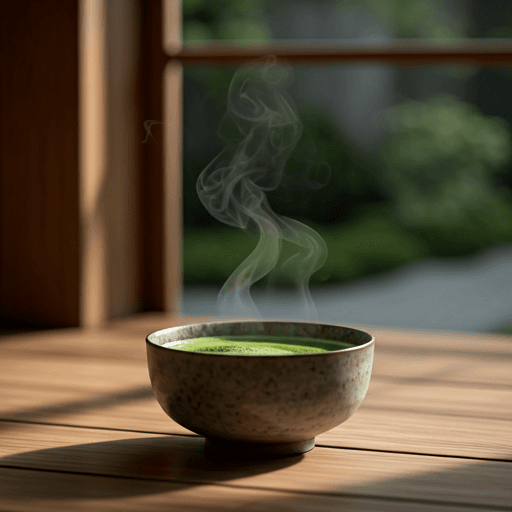
If you want to know how to make mallow tea, the short answer is this: steep the purple-pink flowers and soft leaves of common mallow (Malva sylvestris) in water that is just off the boil, cover it, and let it rest for 5 to 10 minutes. The result is a mild, gently sweet, caffeine-free infusion with a silky-smooth mouthfeel, and if you use plenty of the deep blue-violet flowers the cup can turn a pretty blue that shifts toward pink with a squeeze of lemon.
Common mallow is a wayside plant of European and Mediterranean roadsides, fields and gardens, and people have gathered its leaves and flowers as food and tea for a very long time. Below you will find what mallow tea actually is, the one brewing point that matters most, a full mallow tea recipe with real amounts, and a small table you can glance at while the kettle heats.
What Mallow Tea Is (and How It Tastes)
Mallow tea is a caffeine-free herbal infusion made from the flowers and soft young leaves of common mallow, Malva sylvestris (you will also see it sold as malva tea). It is one of those quiet, undemanding cups: the flavour is light, faintly green and gently sweet, without the sharpness of a black tea or the punch of peppermint. What people remember most is the texture. Mallow is naturally rich in mucilage, a soft plant gel that gives the water a smooth, almost silky body, closer to a delicate broth than to a brisk tea.
The plant has a long history as both food and garden ornament around the Mediterranean and across Europe. Its leaves have been cooked like a leafy green, and the cheerful purple-pink flowers have decorated cottage gardens and hedgerows for centuries. That food-plant heritage is part of why common mallow tea feels so easygoing to drink: it is a familiar, everyday plant rather than an exotic one. If loose botanicals are new to you in general, our guide to what herbal tea is is a friendly place to begin.
Common Mallow Is Not Marshmallow Root
Here is the point that trips people up. Common mallow (Malva sylvestris) is a close relative of marshmallow, but it is a different plant from marshmallow root (Althaea officinalis). Both belong to the mallow family, and both are prized for the same soft, soothing, mucilaginous quality, but they are distinct plants and the part you usually brew differs. With common mallow you steep the flowers and leaves; marshmallow is best known for its root. If it is the root you are after, follow our dedicated guide on how to make marshmallow root tea instead, since it leans on a cold or long steep to draw the gel from the tougher root. For everything below, we are talking about common mallow, flowers and leaves.
Why a Cooler Steep Matters
The single most useful thing to know about brewing mallow well is that the water should be hot but not fully boiling, somewhere around 85 to 90 C (185 to 195 F). There are two reasons.
First, colour. The deep blue-violet flowers hold delicate pigments (anthocyanins) that give the water its lovely blue tint. Aggressively boiling water dulls and browns those pigments fast, so a gentler pour keeps the cup brighter and prettier for longer. Second, texture. The soothing mucilage that gives mallow its silky body is happiest with a patient steep rather than a rolling boil. Covering the cup or pot while it steeps also traps the aromatics and keeps the temperature even. For more on temperature and timing across botanicals in general, see our notes on how to brew herbal tea.
The Colour-Change Trick
This is the part that delights everyone. Because mallow's blue comes from pH-sensitive pigments, a squeeze of something acidic shifts the colour. Add lemon juice and the blue-violet slides toward pink or magenta right in front of you. It is the same family of chemistry that makes hibiscus such fun to play with, so if you enjoy that jewel-toned, colour-shifting angle, our guide to how to make hibiscus tea is a natural next pour. The shift is purely visual and harmless; it just turns the cup into a small piece of theatre.
Ingredients for This Mallow Tea Recipe
- Mallow: about 1 to 2 teaspoons of dried common mallow flowers and leaves per cup, or a small loose handful of fresh flowers and soft young leaves.
- Water: around 250 ml (about 8 oz) per cup, heated to roughly 85 to 90 C (185 to 195 F), just off the boil.
- Optional lemon: a squeeze of fresh lemon, to taste and to watch the colour shift.
- Optional sweetener: a little honey or your preferred sweetener, if you like it sweet.
If you are gathering your own, correct identification matters most: common mallow has rounded, slightly lobed leaves and five-petalled purple-pink flowers with darker veins. Pick from clean ground well away from roadsides and treated lawns, and rinse the flowers and leaves gently. Dried mallow works year-round and is the easiest way to keep those blue flowers on hand.
How to Make Mallow Tea, Step by Step
- Measure the mallow. Place 1 to 2 teaspoons of dried flowers and leaves (or a small handful of fresh) into a cup, mug or small teapot.
- Heat the water. Bring water to a boil, then let it sit for 30 to 60 seconds so it drops to about 85 to 90 C, not quite boiling.
- Pour and cover. Pour the water over the mallow and cover the cup or pot. Covering keeps the heat and aromatics in and helps protect the colour.
- Steep 5 to 10 minutes. Give it at least 5 minutes for a light cup, up to 10 for a fuller, silkier one, since the longer steep draws out more of that smooth mucilage.
- Strain. Strain out the flowers and leaves so the cup stays clean and clear.
- Finish and serve. Add a squeeze of lemon (watch the colour change) or a touch of honey if you like, and sip it warm. It is also lovely poured over ice.
Quick Brewing Table
| Mallow per cup | Water temperature | Steep time |
|---|---|---|
| 1-2 tsp dried flowers & leaves (or a small handful fresh) | ~85-90 C (185-195 F), just off the boil | 5-10 minutes, covered |
Keep the water not-quite-boiling: that is what protects both the blue colour and the silky texture. If your cup comes out more grey-brown than blue, the water was probably too hot, so next time let the kettle cool a few extra seconds before you pour. Using more of the deep-coloured flowers also gives you a stronger, longer-lasting blue.
Ways to Serve and Flavour It
Mallow's mildness makes it a gentle base you can dress up. Serve it plain and warm to enjoy the silky body, or pour the strained tea over ice for a cooling, faintly floral iced cup. A thin round of lemon does double duty, adding a little brightness while performing the blue-to-pink colour trick. A small spoon of honey rounds it out if you like a sweeter cup, and a few fresh mint or lemon verbena leaves dropped in for the last minute or two lift the aroma without overpowering the flower. Because the flavour is so soft, mallow also blends kindly with other calm botanicals rather than fighting them.
Storing Mallow and Leftover Tea
Keep dried mallow flowers and leaves in an airtight container away from light, heat and moisture, and they will hold their colour and gentle flavour for many months; the bluer the dried flowers still look, the fresher they are. Fresh-picked mallow is best used within a day or two, loosely wrapped in the refrigerator. Any brewed tea you do not finish can be cooled, covered and kept in the refrigerator for up to a day, which makes an easy iced pour, though the colour naturally fades as it sits.
A Light Note on Safety
Common mallow is a gentle, everyday food-plant that has been eaten and brewed for generations, and for most people an occasional cup is simply a pleasant, mild drink. Any wellness impressions are personal: responses vary, and this is not medical advice. If you are pregnant or breastfeeding, or taking any medication, it is sensible to check with your own healthcare provider before adding a new botanical to your routine. As with any gathered plant, correct identification matters, so use flowers and leaves you are confident are common mallow (Malva), taken from clean ground, and keep the amount modest. And never give honey to infants under 12 months; offer their cup unsweetened, or simply keep this one for older drinkers.