
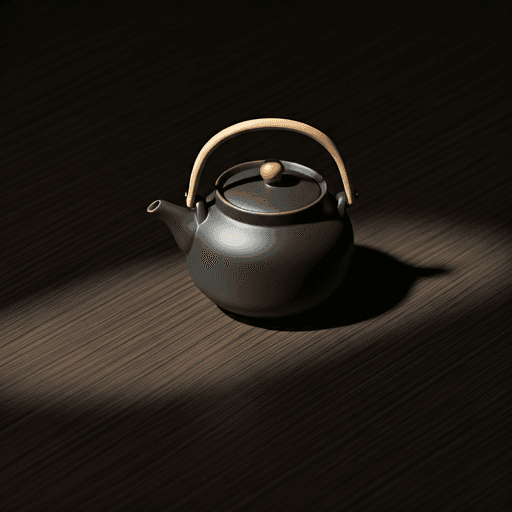
To learn how to make marshmallow root tea, you only need one main ingredient and a little patience. Marshmallow root tea is a mild, faintly sweet, caffeine-free infusion made from the dried root of the marshmallow plant (Althaea officinalis), a marsh-loving herb native to Europe and western Asia. Because its soothing, slightly slippery character comes through best without high heat, it is traditionally made as a cold infusion: you steep the dried root in cool or room-temperature water for several hours, then strain. The result is a smooth, gently thick, barely sweet cup.
Below you will find the classic cold method step by step, a faster hot alternative, the amounts to use, and a few notes on flavor, texture, and storage. If you are new to loose botanicals in general, our guide to what herbal tea is covers the basics, and how to brew herbal tea walks through steeping technique.
What Marshmallow Root Tea Is
Marshmallow root tea, sometimes labeled althaea root tea after the plant's botanical name, is an infusion of the dried, cut root of Althaea officinalis. The plant is a tall, pale-flowered perennial that grows in damp meadows and salt marshes across Europe, the Mediterranean, and the Middle East, which is where its common name comes from — a mallow of the marshes. People have brewed the root as a gentle tisane for a very long time.
The cup itself is quiet and comforting: pale, mild, with a faint natural sweetness and a distinctly silky, almost velvety body. It is nothing like a brisk black tea or a grassy green — there is no bitterness and no caffeine at all. If you are curious, the fluffy confection that shares the name was originally made from this very plant's root, whipped with sugar into a soft paste, long before the modern gelatin-and-corn-syrup version took over. Today's marshmallows no longer contain the root, but the name is a nice piece of history.
Why Marshmallow Root Is Usually a Cold Infusion
Here is the key technique point. The silky, slippery quality that makes this root distinctive comes from mucilage — a soft, water-soluble substance the plant holds in its cells, and the root is one of the richest botanical sources of it. Mucilage draws out gently into cool water and can be knocked back by prolonged high heat, so a long, cold soak tends to give a smoother, more full-bodied cup than a fast boil. That is why a marshmallow root cold infusion is the classic approach: cool or room-temperature water and time do the work.
You can absolutely make a quick hot cup when you are short on time, and it will still be pleasant and mild. But if you want that signature soft, faintly thick texture at its best, plan ahead and let the root steep cold for several hours or overnight.
What You Need
- Dried, cut marshmallow root — about 1 to 2 teaspoons per cup or large mug. Use more toward 2 teaspoons for a fuller, silkier body.
- Cool or room-temperature water for the cold method (about 250 ml / 8 oz per serving), or just-off-the-boil water for the hot method.
- A clean jar with a lid for the cold infusion, or a mug and saucer (as a cover) for the hot version.
- A fine mesh sieve or a tea strainer — the root is chopped small, and you will want to strain well.
- Optional add-ins, stirred in after straining: a little honey, a squeeze of lemon, a small cinnamon stick, or a few fresh mint leaves.
How to Make Marshmallow Root Tea (Cold Infusion Method)
This is the traditional marshmallow root tea recipe, and it is almost entirely hands-off.
- Measure the root. Add 1 to 2 teaspoons of dried, cut marshmallow root per serving to a clean jar. As a looser guide, filling a jar about a quarter full of root and topping it with water works well too.
- Add cool water. Pour in cool or room-temperature water, roughly 250 ml (8 oz) per teaspoon-to-two of root. Give it a quick stir so all the root is wetted.
- Cover and steep. Put the lid on and let it sit for 4 to 8 hours, or simply overnight. You can leave it on the counter for a few hours or in the refrigerator for a longer soak. The water will slowly turn a soft pale yellow.
- Stir and strain. Stir once, then pour the infusion through a fine mesh sieve into your cup, pressing gently on the root to release the last of the liquid. Strain thoroughly — you want a clean, smooth cup with no grit.
- Finish and serve. Taste it as is, then add honey, lemon, cinnamon, or mint if you like. Drink it cool, or gently warm it on the stove if you prefer it warm — just avoid a hard boil.
The Quick Hot Method
When you do not have hours to spare, a short hot steep works too. It gives a lighter body but the same mild, faintly sweet flavor.
- Heat the water. Bring water to just off the boil, around 90 C (194 F). You do not need a rolling boil.
- Steep covered. Pour over 1 to 2 teaspoons of dried root per cup, cover (a saucer over the mug traps the aroma and heat), and let it steep 10 to 15 minutes.
- Strain and finish. Pour through a fine sieve, then sweeten or flavor to taste.
Cold vs Hot at a Glance
| Method | Water temperature | Time | Body |
|---|---|---|---|
| Cold infusion (classic) | Cool or room temperature, about 20-25 C (68-77 F) | 4-8 hours, or overnight | Smooth, fuller, silkier |
| Quick hot steep | Just off the boil, about 90 C (194 F) | 10-15 minutes | Lighter, still mild |
Texture, Flavor, and Add-Ins
The thing most people notice first is the texture. A well-made cold infusion is smooth and very slightly thick — soft on the palate rather than watery. That silkiness is normal and is exactly what the root is prized for; it is not a sign that anything has gone wrong. If your cup came out thin, try using a little more root, steeping a bit longer, or leaning on the cold method rather than the hot one.
Flavor-wise the root is subtle, so it takes gentle partners well. A teaspoon of honey rounds it out, a squeeze of lemon brightens it, and a cinnamon stick or a few mint leaves add a little lift without overpowering it. Add these after straining so they do not muddy the clean base. If you enjoy other earthy, root-based tisanes, you might also try burdock tea, or the lighter, aniseed-scented fennel tea for contrast.
How to Store Dried Marshmallow Root
Dried marshmallow root keeps well when it is kept dry. Store it in an airtight jar or tin, away from light, heat, and moisture — a cool cupboard is ideal. Kept that way, the dried root stays good for a year or more, though its gentle character is best within the first several months. Any brewed tea you do not drink right away should be covered and refrigerated, and finished within a day or two.
A Light Note on Safety
Marshmallow root is a gentle, traditional tisane enjoyed plain by many people. Note that this is the root of the marshmallow herb (Althaea officinalis) — the botanical plant, not the modern sugar confection. Because the root is soothing and slightly slippery, it is often suggested to take any other medicines a little apart from your cup rather than at the same moment, since it may slow how other things are absorbed. If you take regular medication, or if you are pregnant or breastfeeding, it is sensible to ask your own healthcare provider before making it a habit. Responses vary from person to person, and this is general information, not medical advice.