
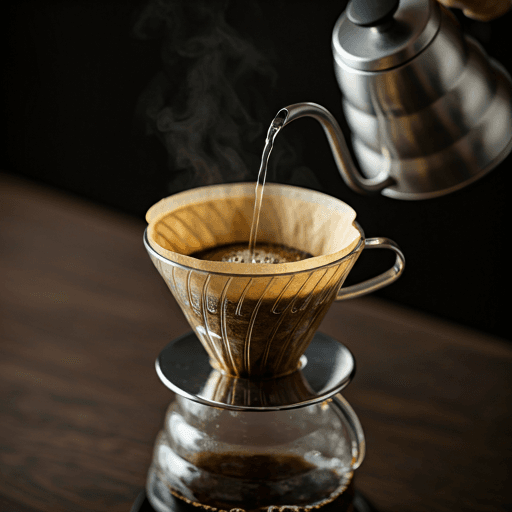
Coffee bitterness is one of coffee's basic tastes — a sharp, sometimes drying quality that rises naturally from the roasting process and from compounds locked inside the bean itself. A small amount of bitterness gives a cup its backbone and balance; too much, usually from over-extraction, a grind that is too fine, water that is too hot, or a very dark roast, is what tips a coffee from pleasantly robust into genuinely unpleasant. Below we unpack what bitterness in coffee actually is, where it comes from, and how to keep it in its place.
What coffee bitterness is
Bitterness is one of the basic tastes your palate can detect, alongside sweet, sour, salty and savory (umami). In coffee it registers as that sharp, slightly medicinal edge you notice most at the back of the mouth and in the finish. Crucially, bitterness is not a defect in small amounts. A measured, well-framed bitterness is part of what makes coffee taste like coffee — it adds depth, structure and a grown-up seriousness that balances the drink's gentler sweetness and its brighter, fruitier acidity.
Think of bitterness as one attribute among several that tasters use to describe a cup, the same way they describe its acidity, its sweetness and its body. Professional cuppers score these traits separately, and a great coffee usually carries all of them in proportion rather than letting one shout over the rest. For the full sensory vocabulary — the roasty, fruity, floral and nutty notes tasters chart — a flavor wheel is a better map than any single attribute. Here we are staying tightly on the bitter axis.
Where bitterness in coffee comes from
Three forces mainly govern how bitter a cup turns out: the roast, the bean's own chemistry, and — above all — extraction.
Roast level
Roasting develops bitterness. The darker and longer the roast, the more bitter-tasting compounds form as sugars and other molecules break down under heat. That is why a dark, oily French or espresso roast reads as bold and bitter, while a light roast tastes brighter and more delicate. Roast is the single biggest lever most drinkers can feel: switch the same coffee from a dark to a medium roast and the bitterness usually softens noticeably.
The bean's own chemistry
Coffee naturally contains bitter compounds. Caffeine is famously bitter, though it tends to contribute only a modest share of a cup's total bitterness. Much more seems to come from chlorogenic acids, which break down during roasting into lactones and related compounds that taste distinctly bitter and grow more prominent in darker roasts. Robusta beans generally taste more bitter than arabica, partly because they carry more caffeine and chlorogenic acid. We are keeping the chemistry deliberately light here — the point is simply that some bitterness is baked into the bean before you ever brew it.
Extraction — the big one
Extraction is how much flavor water pulls out of the grounds, and it matters more than almost anything else. Coffee's compounds dissolve in a rough sequence: bright, acidic notes tend to come out first, then sweetness and balance, and finally the heavier, bitter, drying compounds. Brew too long, too hot, or too fine and you drag out those last, over-extracted fractions — which is exactly why the tail end of a badly pulled shot or an over-steeped press can taste the most bitter. Under-extract and you get sour and thin; over-extract and bitterness takes over. The full science of dissolving solubles has its own deep dive on extraction; for our purposes, the takeaway is simple — bitterness lives at the over-extracted end.
Good bitterness vs bad bitterness
Not all bitterness is a problem. The trick is telling the pleasant kind from the harsh kind.
Good bitterness is balanced and integrated. It frames the cup, gives it structure, and resolves cleanly, leaving room for sweetness and acidity to show. In a well-made espresso or a rich dark roast, a firm, tidy bitterness is a feature, not a flaw — it is the difference between "bold" and "flat."
Bad bitterness dominates. It is harsh and lingering, often ashy or acrid, coating the mouth and drowning everything else out. Instead of resolving, it hangs around unpleasantly in the finish. When people ask why is coffee bitter in the bad sense, this is usually what they mean: a cup where bitterness is the whole story rather than one supporting voice. A pleasant bitterness invites the next sip; a harsh one makes you reach for sugar or pour the cup away.
What makes coffee too bitter
So what makes coffee bitter to the point of being unpleasant? Almost always it is one — or several — of these, and they tend to compound one another:
- Over-extraction — pulling too much from the grounds, so the heavy, bitter compounds swamp the balanced ones.
- A grind that is too fine — more surface area speeds up extraction and drags out bitterness, especially in immersion and drip methods.
- Water that is too hot — near-boiling water extracts more aggressively and scorches delicate flavors.
- Too long a brew or contact time — leaving grounds in contact with water past the sweet spot keeps pulling bitterness.
- A very dark or burnt roast — heavily roasted beans start bitter before you even brew.
- Stale or low-quality beans — old, poorly stored or scorched beans can taste flat and harshly bitter rather than clean.
If your cup is bitter and you want a step-by-step diagnosis for your specific brewer, our dedicated guide on why your coffee tastes bitter walks through the troubleshooting in detail. Here we are focused on the concept rather than fixing one broken cup.
How to reduce bitterness
Because most excess bitterness traces back to pulling too much from the grounds, the fixes all nudge extraction back toward balance. Change one variable at a time so you can taste what each does, and treat the numbers below as starting points — results vary by bean, roast, brewer and taste.
| Cause of too much bitterness | Quick fix |
|---|---|
| Grind too fine | Coarsen the grind a notch or two |
| Water too hot | Let it sit off the boil, roughly 90–96°C (195–205°F) |
| Brew or shot runs too long | Shorten the steep or pull the shot sooner |
| Dark, roasty beans | Try a lighter or medium roast |
| Over-extracting a small dose | Adjust the coffee-to-water ratio |
| Stale or scorched beans | Use fresher, better-stored coffee |
| Dirty equipment | Clean the machine, filter or press |
Coarsening the grind is usually the most powerful single change, followed by easing the water off the boil and shortening the brew. If a coffee still tastes bitter after all that, the beans themselves — their roast level or freshness — may simply lean that way, and a different bag is the honest fix.
Bitterness vs acidity, sweetness and body
Bitterness is easy to confuse with coffee's other core attributes, so it helps to separate them. Each is a distinct trait, and a balanced cup keeps them all in check together.
Bitterness vs acidity. Acidity is the bright, tangy, sometimes citrusy liveliness near the front of the sip — not a flaw but a prized sparkle in many lighter roasts. Bitterness is the darker, drying quality at the back. A cup can be bright with only light bitterness, or bitter with little brightness; the two sit at opposite ends of the sip. Our guide to coffee acidity covers that brightness in depth.
Bitterness vs sweetness. Sweetness is the gentle, sugar-like roundness that makes a coffee feel balanced and moreish, and it directly offsets bitterness — the more natural sweetness a cup has, the less any bitterness stings. A great coffee carries both, in tension. There is more on that in our note on coffee sweetness.
Bitterness vs body. Body is mouthfeel — the weight and texture of the coffee, from thin and tea-like to thick and syrupy — not a taste at all. A full-bodied coffee is not automatically bitter, and a light-bodied one can still be over-extracted and harsh. Bitterness is what you taste; body is how the cup feels.
Bitterness, in the end, is not the enemy — imbalance is. A little bitterness anchors a cup and lets its sweetness and acidity shine; the goal is proportion, not elimination. Once you can taste where the bitter taste in coffee sits and which lever moved it, you stop chasing "less bitter" and start dialing in "better balanced" — which is where the best coffee lives.