
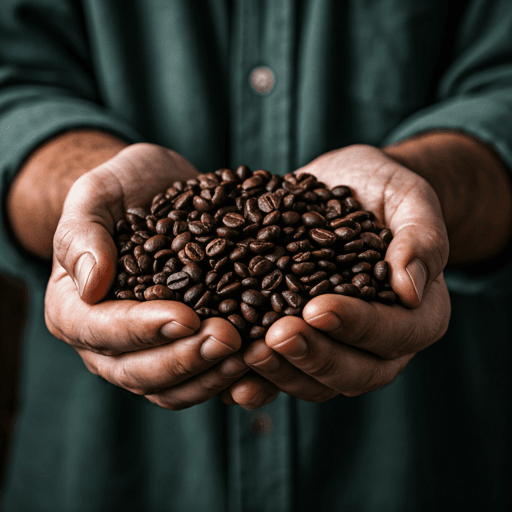
The best decaf coffee is fresh, made from good beans, and decaffeinated with a method that protects flavor rather than flattening it. That is the whole secret. Decaf has a reputation for tasting dull, papery or sour — but most of the time that is not the caffeine removal at fault, it is a stale bag of mediocre beans that sat on a shelf for a year. Choose for freshness and process, and good decaf can taste almost indistinguishable from a regular cup.
This guide is about how to pick decaf that actually tastes good. It is not about how decaffeination chemistry works step by step — for that, read our companion explainer on how decaf coffee is made. Here we focus on what to look for on the bag, why the method printed there matters for flavor, and how to avoid the single biggest reason decaf disappoints.
What makes the best decaf coffee taste good
Three things separate a genuinely good decaf from a forgettable one. Get these right and almost any decaf improves dramatically.
- Freshness above all. Decaf goes stale faster than regular coffee, and it is more often sold old. This is the number one reason decaf tastes bad.
- The decaffeination method. Water-based and CO2 processes tend to keep the cup cleaner and sweeter; some solvent methods can mute character. The method is usually printed on the bag.
- The underlying bean quality. Decaffeination cannot add flavor that was never there. Good decaf starts as good coffee, the same way any cup does.
None of these is exotic. They are the same things that make any coffee good — decaf is just less forgiving when you ignore them.
Freshness: the real reason most decaf tastes bad
If you take one thing from this guide, take this. The decaffeination process adds an extra step that exposes the green bean to water and heat, which accelerates oxidation later on. The result is that roasted decaf stales noticeably faster than caffeinated coffee, and its already-delicate flavors fade to flat and cardboard-like even quicker.
Now combine that with how decaf is usually sold. A lot of supermarket decaf is mass-roasted far in advance, pre-ground, and built for a long shelf life rather than a good cup. By the time it reaches you it may already be months old. Stale beans plus a delicate decaf profile is the classic recipe for a disappointing brew.
The fix is simple: buy decaf with a visible roast date and use it quickly. Aim for coffee roasted within the last few weeks, and finish the bag within a few weeks of opening. A clearly printed roast date is itself a good sign — it usually means the roaster cares enough to be transparent. A vague "best before" date a year out is the opposite signal. Whole bean stays fresh longer than pre-ground, which is why grinding at home (see how to grind coffee beans) does more for decaf than for almost anything else.
Decaffeination methods and what they mean for flavor
Every decaf is made by one of a handful of processes, and the one on your bag is a meaningful clue to how the cup will taste. You do not need to memorize the chemistry — just recognize the names and what they tend to signal. For the full mechanics, see decaf coffee explained.
Water-process decaf (Swiss Water and mountain water)
The Swiss water decaf process and similar "mountain water" methods remove caffeine using only water and carbon filtration, with no added chemical solvent touching the beans. It is the method most favored by specialty roasters who care about cup quality, because it removes around 99.9% of the caffeine while keeping much of the coffee's brightness, sweetness and origin character. If you want the safest bet for clean, chemical-free flavor, look for "Swiss Water Process," "water process" or "mountain water" on the label. For many drinkers this is where the best decaf beans are found.
CO2 (carbon dioxide) process
The CO2 method uses pressurized carbon dioxide — the same harmless gas in sparkling water — to draw caffeine out. It is also solvent-free and tends to preserve flavor well. It is common in larger commercial batches and is a perfectly good thing to see on a bag.
Sugarcane / ethyl acetate (EA) process
Often labeled "natural decaf" or "sugarcane process," this method uses ethyl acetate, a compound naturally derived from fermented sugarcane (it also occurs in fruit). It is especially common with Colombian coffee and is prized for producing a noticeably sweet, rounded cup. Because the EA here is naturally sourced, many roasters and drinkers treat it as a chemical-light option with a delicious result.
Solvent methods (methylene chloride and traditional EA)
Direct and indirect solvent methods use a food-grade solvent such as methylene chloride to strip the caffeine. These processes decaffeinate most of the world's coffee and are tightly regulated — for example, regulators cap any methylene chloride residue at trace levels, and the solvent largely evaporates during roasting at high heat. Done well, the cup can be fine. But of all the methods, this is the one most associated with a slightly muted, flatter character, and the label often just says "decaffeinated" without naming a kinder process. When a bag is silent about its method, it is frequently a solvent decaf.
Comparing the methods at a glance
| Process | How it removes caffeine | Typical taste & notes |
|---|---|---|
| Swiss Water / mountain water | Water + carbon filter, no solvent | Clean, sweet, keeps brightness; specialty favorite; usually clearly labeled |
| CO2 (carbon dioxide) | Pressurized CO2 gas | Solvent-free, flavor-preserving; common in larger batches |
| Sugarcane / natural EA | Ethyl acetate from fermented sugarcane | Sweet, rounded cup; common with Colombian coffee |
| Solvent (methylene chloride / EA) | Food-grade chemical solvent | Decaffeinates most coffee; can taste muted; often just labeled "decaffeinated" |
The honest takeaway: a trained taster can pick differences side by side, but a fresh, well-roasted bean matters far more than which gentle process was used. Method is a useful signal, not a guarantee.
Whole bean, pre-ground, pods or instant?
Decaf comes in every format regular coffee does, and the format you choose has a real effect on quality — mostly through freshness.
- Whole bean is the freshest-keeping option and the one specialty decaf is usually sold as. It is the best choice for a good cup, especially since decaf stales quickly. Pair it with a burr grinder — see the coffee grinder guide and best electric coffee grinders.
- Pre-ground is convenient but stales faster, which matters more for decaf than for anything else. If you buy ground, buy small bags and use them fast.
- Pods and capsules seal each dose, so freshness holds well; decaf is widely available for most pod systems. See our guide to coffee pods for Keurig for choosing pods.
- Instant decaf has improved a lot, and freeze-dried specialty versions exist; it trades some nuance for speed and shelf stability. For how instant is made and how to judge it, read instant coffee explained.
Supermarket vs specialty: where to find the best rated decaf coffee
The leap in quality over the last few years has come from specialty roasters taking decaf seriously — sourcing quality green coffee, using a gentle process, and roasting it fresh to order. A single-origin specialty decaf (a Colombian sugarcane decaf, an Ethiopian Swiss Water decaf) can taste like a genuinely good coffee that simply happens to lack caffeine. This is increasingly where the best rated decaf coffee lives.
That does not mean every supermarket decaf is bad. Some are perfectly pleasant for an everyday cup, and convenience has real value. But if you have written off decaf entirely, the most likely culprit is that you have only ever had old, anonymous, solvent-processed grocery decaf. Trying one fresh, dated, water-processed bag from a roaster is the single best way to discover what good decaf coffee can be. Choosing the bean itself follows the same logic as any coffee — our guide to choosing the best coffee beans and the overview of what coffee beans are apply just as much to decaf.
A note on caffeine: decaf is not caffeine-free
"Decaf" means decaffeinated, not caffeine-free. Even the most thorough processes leave a small trace — typically a few milligrams per cup, versus the much larger amount in a regular cup. For almost everyone that is negligible, but if you are highly sensitive, pregnant or have been told by a clinician to avoid caffeine entirely, it is worth knowing the trace exists. For the numbers and the bigger picture, see caffeine explained and the full breakdown in decaf coffee explained.
How to choose: a quick checklist
- Check the roast date first. Recent is non-negotiable for decaf. No date, or only a far-off "best before," is a red flag.
- Read the process. Prefer Swiss Water, mountain water, CO2 or natural sugarcane/EA. A bag that just says "decaffeinated" is usually solvent-processed.
- Buy whole bean when you can and grind right before brewing; it keeps fragile decaf fresher.
- Buy small and use it fast. Decaf does not reward stockpiling — finish a bag within a few weeks of opening.
- Start with specialty. A fresh single-origin specialty decaf is the surest way to taste what decaf can be.
- Store it well. Keep it in an airtight container away from light and heat to slow staling.
The bottom line
Good decaf is no longer a contradiction. The drinkers who say decaf always tastes bad have usually only met the stale, anonymous version. Buy fresh, favor a gentle process, choose whole bean, and treat it like the perishable thing it is, and a decaf cup can be every bit as satisfying — minus the buzz. From here, it is worth exploring how to get the most out of those beans in how to make coffee, or comparing notes with our broader best coffee beans guide to sharpen your eye for quality across the board.