
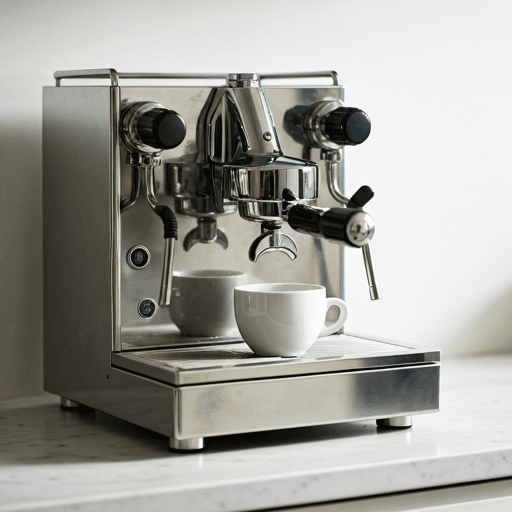
An affordable espresso machine can pull genuinely good espresso, as long as you buy the right kind and pair it with a decent grinder. The trick is knowing where to spend and where the very cheapest gadgets cut the corners that ruin the cup. This guide teaches you how to choose a budget espresso machine for beginners by category and trade-off, so you can match a path to your space, your patience, and your wallet, rather than chasing a single "best" model.
This page is the entry-level and beginner angle. For the full buyer's framework, see how to choose an espresso machine, and for the broader use-case roundup see best espresso machines. Here, we stay focused on getting real espresso for as little money as possible.
What you can realistically expect on a budget
Espresso is coffee forced through a compact bed of finely ground beans under high pressure, around nine bars, in roughly 25 to 35 seconds. That pressure is what creates the syrupy body and the crema layer on top. Any device that produces that is making espresso; anything that just drips hot water through coffee is not, no matter what the box says.
On a budget, you can absolutely get there. What you give up versus a premium machine is mostly convenience and consistency: faster heat-up, steadier temperature, a more powerful steam wand for silky milk, and forgiveness when your technique is off. A good cheap espresso machine rewards you for paying attention; a premium one does more of the thinking for you. Neither is "fake" espresso if it hits real pressure.
One reality check before you shop: the machine is only half the system. A consistent grind matters as much as the brewer, and we will come back to that, because it is the single most common reason a new setup disappoints.
The categories of affordable espresso machine
There is no one right answer, only the right answer for you. Budget and beginner espresso splits into three broad paths. Each makes real espresso; each asks something different of you.
1. Entry-level pump machines
These are the classic plug-in espresso machines: an electric pump pushes water through a portafilter, and a small steam wand froths milk. Most affordable models use a single boiler or a fast-heating thermoblock, so you brew and then steam in two steps rather than at once. This is the most familiar route and the one most people picture when they think "espresso machine for home."
Long-popular examples in this tier include the De'Longhi Dedica, the Breville Bambino (sold as Sage in some markets), and the Gaggia Classic. The Dedica is famously slim and is often the floor of the "acceptable espresso" tier. The Bambino is praised for heating in seconds and holding steady pressure in a tiny footprint, which makes it a strong compact espresso machine for small kitchens. The Gaggia Classic uses a full-size commercial portafilter and simple, repairable mechanics, which is why it has a devoted community and a reputation for lasting many years, though it takes longer to reach a stable brewing temperature. None of these is an endorsement; they are simply well-known reference points for what the category offers.
2. All-in-one bean-to-cup machines
A bean-to-cup machine grinds, doses, tamps, brews, and often froths at the push of a button. For someone who wants espresso with almost no learning curve, this is the most hands-off path. The trade-off is cost and control: even affordable bean-to-cup models tend to sit at the higher end of a budget, the built-in grinder is usually fixed in quality, and you cannot fine-tune a shot the way you can on a manual setup. If your goal is a reliable morning cup rather than a hobby, it earns its keep. See the bean-to-cup coffee machine guide for how these work in detail.
3. Manual and lever options
You can make real espresso for very little money without a pump at all. A stovetop moka pot brews a rich, espresso-style concentrate (not true crema-topped espresso, but close in spirit and excellent in milk drinks) for the price of a few coffees. An AeroPress makes a strong, espresso-like concentrate and is nearly indestructible and travel-friendly. A hand lever press such as the Flair or the Cafelat Robot pulls genuine pressurized espresso, with real crema, and needs no electricity, only hot water you supply yourself.
These reward technique and patience, and they are the cheapest honest route to espresso. If this path appeals to you, our moka pot guide and AeroPress guide walk through each method, and how to make espresso at home covers the pull itself.
The one thing that matters most
If you remember only one rule, make it this: buy a machine that reaches real, sustained pressure, around nine bars, across the whole shot, and skip the steam-powered "espresso makers." Many of the very cheapest countertop gadgets use a steam toy mechanism or a feeble pump that can only fake espresso. They produce a thin, bitter shot with fluffy fake crema and no real body. A genuine pump that holds pressure through the full pull is the line between espresso and disappointment.
The second half of that rule: a decent grinder matters as much as the machine. Espresso needs a fine, even, consistent grind, and a cheap blade grinder cannot deliver it. If you have to choose, a modest machine plus a real burr grinder beats a fancier machine fed by a blade grinder. A pressurized portafilter basket (the kind that comes with most budget machines) is forgiving and will make a decent shot even from an imperfect grind, which is great while you learn; you can switch to a standard basket later once you own a proper grinder. Our coffee grinder guide explains burr versus blade.
What beginners should prioritize
Beyond pressure, an espresso machine for beginners should make three things easy:
- Simplicity. Fewer settings to fight with on day one. Fast heat-up and a forgiving pressurized basket flatten the learning curve.
- An easy steam wand. If you drink lattes and cappuccinos, milk frothing is where most beginners struggle. Some affordable machines automate it; on manual wands, a single-hole or beginner-friendly tip is more controllable. If milk is your main goal, a separate milk frother can take the pressure off the machine.
- Easy cleaning. A removable drip tray, a generous water tank, and a simple group head save you daily friction. A machine you dread cleaning is a machine you stop using.
Notice that none of these is "the most expensive option." The phrase "best espresso machine under 500" gets searched a lot, but on a budget the smarter question is not a price ceiling, it is which trade-offs you are happy to live with. Discuss cost in tiers, not numbers: entry-level gets you in the door, mid-range buys you stability and a better steam wand.
Pitfalls of the very cheapest gadgets
The bottom of the market is where money gets wasted. Watch for these:
- Steam-driven "espresso makers." They rely on steam pressure rather than a real pump, so they cannot hit or hold nine bars. The result is weak, scorched coffee with no true crema.
- All-plastic pressurized pods with no real pump. Some novelty gadgets just press hot water through a capsule. Convenient, but not espresso, and not flexible.
- No grinder budget. Spending your entire budget on the machine and feeding it stale pre-ground or blade-ground coffee throws away the shot. Hold back something for grinding.
- Buying for crema alone. A pressurized basket can produce thick-looking crema even from mediocre coffee. Looks are not flavor; judge the cup.
Compare the budget paths at a glance
| Category | Best suits | Trade-off |
|---|---|---|
| Entry-level pump machine | Beginners who want a real espresso workflow, milk drinks, and room to improve | Two-step brew/steam on most; needs a separate grinder for best results |
| All-in-one bean-to-cup | People who want push-button espresso with no learning curve | Higher cost even at budget; fixed grinder; little control over the shot |
| Moka pot (stovetop) | The cheapest entry to rich espresso-style coffee, great in milk | Not true high-pressure espresso; no crema; technique-dependent |
| AeroPress | Strong concentrate, travel, and near-indestructible simplicity | Espresso-like, not true espresso; one cup at a time |
| Hand lever press (Flair, Cafelat Robot) | Real crema-topped espresso for little money, no electricity | You supply hot water and the pressure; steepest hands-on learning curve |
How to choose: a quick checklist
- Confirm it reaches a real ~9-bar pump. Avoid steam-toy "espresso makers" entirely.
- Reserve part of your budget for a burr grinder. The grind decides the shot. See how to grind coffee beans.
- Pick your path honestly. Hands-off button? Bean-to-cup. Want to learn? Entry-level pump. Lowest cost? Moka pot, AeroPress, or a hand lever.
- Match the footprint. Measure your counter and cabinet height; a compact espresso machine that actually fits gets used.
- Plan for milk. If you drink lattes, prioritize an easy steam wand or a separate frother.
- Favor easy cleaning and simple parts. Repairable, well-supported machines age better than sealed gadgets.
- Start forgiving, then graduate. A pressurized basket is fine while you learn; switch later as your skills grow.
The bottom line
A budget does not stand between you and real espresso; the wrong category does. Choose a machine with a genuine pump, pair it with the best grinder you can afford, and pick the path that matches how much you want to fiddle with your morning. Whether that is a slim pump machine, a stovetop moka pot, or a hand lever, you can pull a cup you are proud of for far less than you might expect. When you are ready to dial in your first shots, head to how to make espresso at home, and browse the rest of the coffee guides as your taste and your setup grow.