
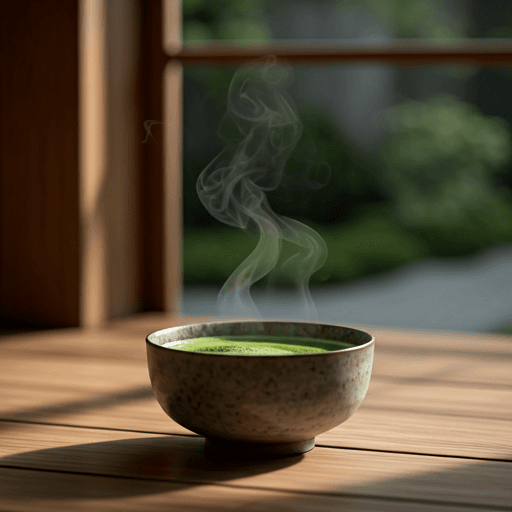
A tea room is a cafe built around tea — a calm, sit-down space that serves loose-leaf and pot-brewed teas alongside cakes, scones and light savouries. Often written as one word, "tearoom," and sometimes called a tea cafe, it is the traditional home of afternoon tea: somewhere you linger over a pot rather than grab a cup to go. Where a coffee shop is built for caffeine and speed, a tea room is built for the ritual of steeping, pouring and slowing down.
What Is a Tea Room, Exactly?
At its simplest, a tea room is a tea-focused cafe — a place where tea is the main event rather than an afterthought behind the espresso machine. Some venues go by "tea house," "tea lounge" or simply "tea cafe," but the idea is consistent: quality loose-leaf tea, brewed properly and served at an unhurried pace, usually with something to eat. For the broader question of what a cafe is in the first place, see what is a cafe; a tea room is that same concept tuned entirely to the leaf.
The giveaway is the equipment. Instead of a row of grinders and a hissing steam wand, a tea room runs on teapots, tea strainers or infusers, timers, warmers, cups and saucers, and — for afternoon tea — the familiar tiered cake stand. Tea is usually measured out as whole leaf, steeped in a pot at the table or behind the counter, and topped up with hot water so a single pot stretches to more than one cup. The whole set-up is designed to make brewing visible and part of the pleasure, rather than something that happens out of sight.
Tea rooms come in a wide range of styles. At one end sit traditional, chintzy tearooms with floral china, lace and homemade bakes; at the other, modern tea bars and specialty tea shops that treat single-origin leaf with the same seriousness a craft coffee bar gives its beans. What unites them is intent: tea is chosen, brewed and served as the centrepiece, not squeezed in as a courtesy for the one person at the table who does not drink coffee.
A Short History of the Tea Room
The tea room as most people picture it grew up in Britain and across the Commonwealth in the late nineteenth and early twentieth centuries. As tea shifted from luxury to everyday drink, tea rooms and tea shops offered a respectable public space — notably one where women could meet, talk and dine unaccompanied, which was uncommon at the time. Grand hotels formalised the ritual of afternoon tea, complete with silver pots and tiered stands, and the fashion spread wherever tea culture travelled.
But the tea room has relatives all over the world. In France, the salon de the pairs fine teas with pastries and patisserie in an elegant, dessert-forward setting. In China and Japan, tea houses have served brewed tea for centuries, often with their own ceremonies, etiquette and specialised ware. These traditions differ in mood, menu and ceremony, yet they share the tea room's core promise: a dedicated room where tea is prepared with care and enjoyed slowly, in good company.
The through-line is afternoon tea — the light, between-meals sitting of tea with sandwiches, scones and cakes that many tea rooms still build their day around. We keep the deep history and full menu of that ritual to their own guides, the afternoon tea tradition and what is afternoon tea, because the tea room is the room, while afternoon tea is one (very famous) thing you do in it.
What's on a Tea Room Menu
The heart of any tea room is the tea list — often a full page or more, sorted by type and sometimes by origin or estate. Expect the main families of true tea from the Camellia sinensis plant, plus a shelf of herbal infusions:
- Black tea — brisk breakfast blends, Earl Grey, single-origin leaf and the base for most milk teas.
- Green tea — grassy, delicate styles usually served without milk.
- Oolong — partly oxidised teas that sit between green and black in flavour and aroma.
- White tea — the lightest and least processed leaf, gentle and slightly sweet.
- Herbal and floral tisanes — caffeine-free infusions such as chamomile, peppermint, rooibos and fruit blends.
Alongside these, many tea rooms pour spiced and flavoured blends, iced teas in summer and milky specialties, and a few keep a small coffee or hot-chocolate option for non-tea drinkers. On the food side, the classics lean light and sweet: freshly baked scones with clotted cream and jam, finger sandwiches with the crusts trimmed off, and a case of cakes, tarts and pastries. Plenty of tea rooms also serve a savoury lunch — quiches, soups, salads and toasted sandwiches — but the plating stays dainty. The aim is food that flatters a pot of tea rather than a heavy meal that overshadows it.
The Tea Room Experience and Etiquette
What sets a tea room apart is pace. You are meant to sit, settle in and stay a while, which is why tea rooms tend to feel quiet, genteel and unhurried next to a busy coffee bar. Tea often arrives loose in a pot with a strainer and a small timer or hourglass, so part of the ritual is yours: let it steep for the recommended time, pour through the strainer, add milk or a slice of lemon to taste, and top the pot up with hot water for a second cup. Brewing at the table like this is a feature, not a chore.
When afternoon tea is served, it usually arrives on a tiered stand. The widely followed convention is to work from the bottom up — savoury finger sandwiches first, then warm scones with cream and jam, and finally the sweet cakes and pastries at the top — pausing between tiers rather than rushing through them. There is no need to be stiff about it, though: today's tea rooms range from formal hotel salons to cosy, casual neighbourhood spots, and most are happy for you to simply enjoy a good pot. If you would like to track one down, here is how to find a great tea room near you.
Tea Room vs a Coffee-First Cafe
A tea room and a coffee shop can look alike from the street — tables, a counter, cakes under glass — but they are tuned to different drinks and different tempos. A coffee-first cafe optimises for espresso, speed and takeaway cups; a tea room optimises for the pot, the sit-down and the leaf. Neither is better than the other; they simply reward different moods and different times of day.
Plenty of modern cafes blur the line, offering a serious tea list right next to their espresso. But a true tea room tips the balance decisively toward the leaf — it is the difference between a place that also serves tea and a place that is about tea.
| Tea room feature | What to expect |
|---|---|
| Main focus | Tea, brewed by the pot from loose leaf, rather than espresso |
| Pace | Slow, sit-down and made for lingering |
| Signature service | Afternoon tea served on a tiered stand |
| Drinkware | Teapots, strainers or infusers, cups and saucers |
| Food | Scones and clotted cream, finger sandwiches, cakes and pastries |
| Atmosphere | Quiet, refined and relationship-led |
| Takeaway culture | Minimal — the experience is staying in |
The Enduring Appeal of the Tea Room
In a world tuned to grab-and-go, the tea room is a quiet act of resistance: a room that asks you to sit down, warm the pot and give an hour to the simple pleasure of a good cup. That is its whole point. Whether it is a lace-curtained tearoom in a market town, a sleek modern tea bar or a centuries-old tea house, the promise is the same — tea treated as something worth slowing down for, and a table you are welcome to keep for as long as the pot stays warm.