
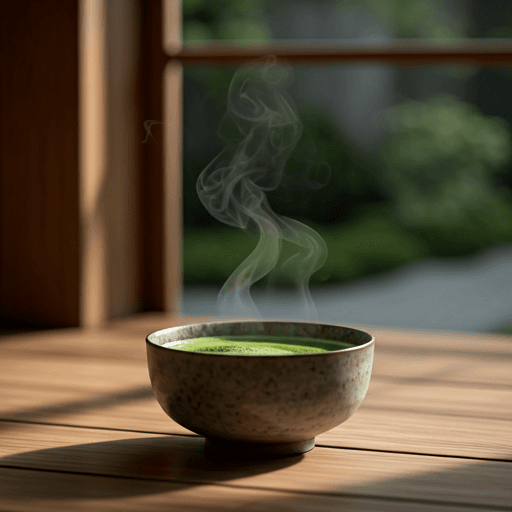
Afternoon tea is a light British meal taken in the mid-afternoon, traditionally between about 3pm and 5pm. At its heart is a pot of brewed tea served alongside finger sandwiches, scones with clotted cream and jam, and a selection of small cakes and pastries, often presented on a tiered stand. It is a social ritual as much as a snack, and today it is enjoyed in hotels, tea rooms, and homes around the world.
If you have ever wondered what people mean by "taking afternoon tea," or how it differs from a cream tea or a high tea, this guide explains the tradition clearly, from its origin to its etiquette.
What is afternoon tea, exactly?
Afternoon tea is a structured but relaxed light meal built around a freshly brewed pot of tea. The food is delicate and arrives in courses, usually from the bottom of the tiered stand upward:
- Savoury first — crustless finger sandwiches with classic fillings like cucumber, egg and cress, smoked salmon, or ham.
- Scones in the middle — warm scones served with clotted cream and jam (and sometimes lemon curd).
- Sweets last — small cakes, tarts, macarons, and other dainty pastries.
The tea itself is the anchor. Black teas such as Assam, Darjeeling, Ceylon, and Earl Grey are the traditional choices because they stand up to milk, though many venues now offer green, oolong, and herbal options too. If you want to understand the families of tea you might be poured, our guide to the types of tea explained is a useful companion. The experience is meant to be unhurried: a pause in the day to sit, sip, and talk.
Where afternoon tea came from
The custom of afternoon tea is popularly credited to Anna Maria Russell, the 7th Duchess of Bedford, around the 1840s. The story goes like this. As lifestyles grew busier in the Victorian era, the evening meal drifted later and later, sometimes as late as 8pm or 9pm, while lunch stayed at midday. That left a long, hungry gap in between.
The Duchess reportedly complained of a "sinking feeling" in the late afternoon. Her solution was to ask for a pot of tea and a little light food, bread and butter and perhaps cake, brought to her private rooms around 4pm or 5pm. She enjoyed it so much that she began inviting friends to join her. Because those friends moved in court circles, the habit spread quickly through fashionable society and became a beloved social occasion.
Afternoon tea began as a private remedy for an empty afternoon and grew into one of Britain's most enduring social rituals.
It is worth noting that tea drinking in Britain predates this by nearly two centuries. What the Duchess of Bedford is credited with is not tea itself, but the specific ritual of taking it as a light afternoon meal with company.
Afternoon tea is not the same as high tea
This is the most common point of confusion, so it is worth being precise. Despite how grand "high tea" sounds, it is the humbler, heartier meal of the two.
| Feature | Afternoon tea | High tea |
|---|---|---|
| Time of day | Mid-afternoon, roughly 3pm to 5pm | Early evening, roughly 5pm to 7pm |
| Origin | Upper-class and fashionable society | Working-class evening meal |
| Food | Light: sandwiches, scones, small cakes | Hearty: meat, fish, eggs, bread, savoury pies |
| Where served | Low sitting-room tables (hence "low tea") | The main dining table (a "high" table) |
| Purpose | A social pause and light refreshment | A substantial meal after a working day |
The names actually come from the furniture. Afternoon tea was taken on low parlour or drawing-room tables, so it is sometimes called "low tea." High tea was eaten at a tall dining table or counter at the end of the workday, which is where "high" comes from, not from any sense of being posh. For a fuller side-by-side breakdown of menus and customs, see our dedicated afternoon tea vs high tea comparison.
What is a cream tea, then?
A cream tea is the simplest member of the teatime family. It is just two things: scones served with clotted cream and jam, accompanied by a pot of tea. There are no sandwiches and no spread of cakes. A cream tea is closely associated with the West Country of England, particularly Cornwall, Devon, Dorset, and Somerset.
That region also gives us one of tea's most cheerful debates: the order of cream and jam on a scone.
- The Cornish method — jam first, then clotted cream on top.
- The Devon method — clotted cream first, then jam on top.
Both taste excellent, and the "correct" order depends entirely on which county you ask. Think of a cream tea as a relaxed, everyday treat, while afternoon tea is the fuller, more elaborate occasion built around the same warm scones.
Teatime etiquette, kept simple
Afternoon tea has gathered a reputation for fussy rules, but the spirit of it is just gracious, easy hospitality. A few light conventions are worth knowing:
- Work bottom to top. Eat savoury sandwiches first, then scones, then sweets. It moves your palate from light and savoury to rich and sweet.
- Pour the tea, then add milk to taste. Whether milk goes in before or after the tea is another friendly old debate; either is perfectly fine.
- Split scones, do not slice. Break a scone in half by hand rather than cutting it with a knife, then add cream and jam to each half.
- Stir gently and quietly. Move the spoon back and forth softly rather than clinking it round the cup, and rest it on the saucer.
- The little finger stays down. The raised pinky is a myth, not a rule.
Above all, teatime is meant to be enjoyable and conversational. The rituals are there to slow things down, not to trip you up. The right cups help too: a proper teacup and saucer keep the tea hotter and feel part of the occasion, which is why our tea cups buying guide is handy if you want to host at home.
Afternoon tea around the world today
While the tradition is British in origin, afternoon tea has travelled far. Grand hotels from Paris to Singapore to New York serve their own versions, sometimes with local pastries, regional teas, or themed menus. Many places now offer a "champagne afternoon tea" with a glass of sparkling wine, and plenty cater for vegetarian, vegan, and gluten-free guests.
The format has stayed remarkably stable, though: tea, something savoury, scones, and something sweet, shared slowly. That simple, generous shape is exactly why it has lasted nearly two centuries and crossed so many borders.
Bringing afternoon tea home
You do not need a hotel reservation to enjoy afternoon tea. With a good pot of tea, a few sandwiches, a batch of scones, and a couple of small cakes, you can recreate the whole ritual on your own table. If you would like a step-by-step plan, our guide on how to make afternoon tea at home walks through the menu, timing, and presentation.
At its core, afternoon tea is a small, civilised pause in the day, a pot of tea, a little food, and good company. Whether you book a tiered stand at a fine hotel or simply split a warm scone in your own kitchen, the tradition is yours to enjoy. From here, you might explore the wider world of tea and find the leaves you most want to brew for your next teatime.