
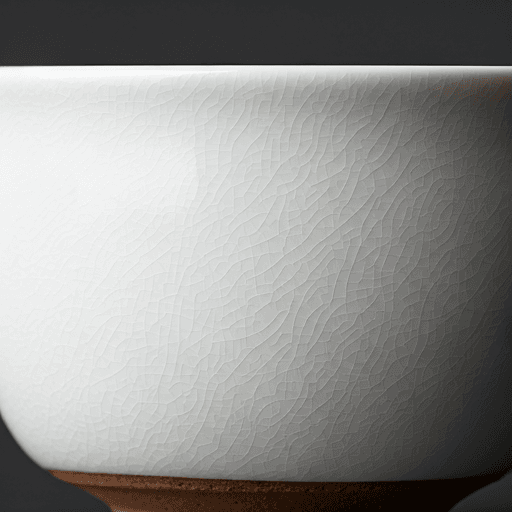
Choosing tea cups comes down to four things: the material, the shape, the size, and how the cup is meant to be held. The right cup keeps your tea at a pleasant temperature, lets the aroma rise to your nose, and feels good in the hand. This guide walks through every choice — porcelain versus bone china versus glass versus stoneware, handles or no handles, Western teacup-and-saucer versus an Asian gaiwan, capacity, sets, and care — so you can pick a cup that flatters the tea you actually drink.
There is no single "best" tea cup. A delicate first-flush green wants a different vessel than a robust breakfast black. Below, we break the decision into plain parts.
Why the cup matters more than you think
A cup is not neutral. Its material can either stay out of the way or subtly shape the flavour. Its wall thickness changes how hot the rim feels on your lips and how fast the tea cools. Its width affects how much aroma reaches your nose, and aroma is most of what we call taste. A wide, shallow cup releases scent and cools quickly; a tall, narrow cup holds heat and concentrates aroma. None of this is fussy snobbery — it is just physics, and once you notice it you cannot unnotice it.
So before buying, ask one question: what do I drink most? A heat-retaining cup rewards black tea you sip slowly. A thin-rimmed, flavour-neutral cup rewards the green, white, and floral oolong drinker. Answer that and the rest of the choices fall into place.
Tea cup materials compared
Material is the first and most important decision. Each behaves differently with heat and flavour. Here is how the common ones stack up.
| Material | Heat retention | Flavour effect | Best for | Notes |
|---|---|---|---|---|
| Porcelain | Very good | Neutral — non-porous, no carry-over | Green, white, delicate oolong, tasting | The choice of professional tasters; thin rims flatter subtle teas |
| Bone china | Good (cools a touch faster than thick porcelain) | Neutral, very smooth | Black tea, afternoon tea, blends | Translucent, lightweight yet durable; often an heirloom piece |
| Glass (borosilicate) | Moderate | Completely neutral | Blooming teas, layered lattes, showing colour | Lets you see the liquor; double-walled versions insulate well |
| Stoneware / ceramic | Very good | Slight; unglazed types can absorb oils | Everyday tea, rustic styles, casual sipping | Heavy, chip-resistant, casual; the unglazed clay cup is its own tradition |
Porcelain
Porcelain is non-porous, so it never holds onto the oils or aromas of a previous brew. That neutrality is why it remains the standard for tea tasting. Its thin walls and fine rim suit delicate green and white teas, where you want nothing between you and the tea. A thicker porcelain body also has real thermal mass, so a preheated cup holds warmth well. If you mostly drink lighter, more aromatic teas, porcelain is hard to beat.
Bone china
Bone china — porcelain made with added bone ash, often 30 to 45 percent — is prized for afternoon-tea rituals and black tea. The bone ash makes it famously thin, light, and translucent while keeping it durable enough for daily use. It keeps tea at a comfortable temperature, though a very thin, light cup will give up heat a little faster than a chunky porcelain one. This is the classic "fine teacup" most people picture, and a good set can last for generations.
Glass
Glass does not react with tea at all, so flavour stays clean. Its real charm is visual: you watch the colour of the liquor and, with a blooming tea, the flower unfurl. Thin glass loses heat quickly, so look for borosilicate (the heat-resistant kind used in lab glassware), which handles temperature changes well and comes close to porcelain for performance. Double-walled glass cups add an air pocket that keeps the tea hot while the outside stays cool to hold — useful for everything from green tea to a layered latte.
Stoneware and ceramic
Stoneware is thick, sturdy, and casual — the workhorse of the cabinet. It holds heat well and shrugs off chips. Glazed stoneware is flavour-neutral; unglazed clay cups, by contrast, are slightly porous and can pick up a faint character over time, which is exactly why street-style chai in unglazed cups tastes the way it does. For everyday tea with no ceremony, stoneware is the practical, affordable pick.
Handle or no handle?
Western teacups have handles; many Asian cups do not. This is mostly history. The earliest cups, imported from China, were handleless tea bowls. Europeans, brewing larger volumes of hotter tea (often with milk and sugar), began adding handles in the early 18th century so they would not burn their fingers — a feature that drinking-chocolate cups had already carried for years.
- With a handle: safer with hot, full cups, better leverage, the familiar Western format. Pairs naturally with a saucer.
- Without a handle: the traditional Asian style. Held with both hands, which also tells you when the tea has cooled enough to drink. Handleless cups tend to have thicker walls so they are comfortable to hold, and they encourage smaller, more frequent pours.
Neither is "correct." If you sip slowly from a large cup, a handle earns its keep. If you brew small and often, a handleless cup feels right.
The saucer, and why it exists
A saucer is not just decoration. When handleless cups arrived in Europe, hot porcelain was hard to hold, so the saucer acted as a stable base and a place to set the cup. In the 1700s and 1800s, people even poured a little tea into the deep saucer to cool and sip it. Today a saucer mainly catches drips, holds a teaspoon, and rests a teabag — and completes the look of a formal tea cup set.
Western teacup versus the gaiwan and Asian styles
If you are choosing between a Western teacup-and-saucer and an Asian-style cup, you are really choosing a way of drinking tea. Here is the contrast among the main types of tea cups.
| Style | Typical capacity | Handle | How it is used | Suits |
|---|---|---|---|---|
| Western teacup & saucer | About 6–8 oz (180–240 ml) | Yes | Brew elsewhere, pour in, sip with handle | Black tea, blends, afternoon tea |
| Mug | About 8–12 oz (240–350 ml) | Yes | Big single serving | Everyday black and herbal infusions |
| Gaiwan (lidded bowl) | About 100–200 ml | No (lid + saucer) | Brew and drink, or use as a brewing vessel | Gong fu green, white, oolong tasting |
| Yunomi (Japanese cup) | About 150–220 ml | No | Held in both hands | Everyday Japanese green tea |
| Small tasting cup | About 30–80 ml | No | Quick layered sips | Gong fu sessions, sampling aromas |
The gaiwan is a lidded bowl with a saucer and no handle — three pieces in one. You can drink straight from it, brushing the leaves aside with the lid, or use it as a small teapot, pouring the liquor off into cups. It is the workhorse of gong fu brewing and shines with green, white, and oolong teas. The lid lets heat escape, which makes it less ideal for black tea that wants a long, hot steep.
Western cups assume you brew in a pot and pour into a larger handled cup. Asian cups assume small leaves, small water, and many short infusions. Pick the format that matches how you like to brew, not just how the cup looks.
Size and capacity: how big should a tea cup be?
Bigger is not better. Capacity changes the whole experience.
- Small (under ~80 ml): tasting cups for gong fu sessions, where short steeps and layered aromas reward small sips.
- Medium (~150–250 ml): the sweet spot for most daily drinkers — enough for a proper cup, small enough to keep the tea hot.
- Standard Western teacup (~180–240 ml): the classic size for black tea and afternoon tea.
- Large / mug (240–350 ml+): best for lighter teas and herbal infusions you want in volume; a big cup of delicate green can go bitter and cold before you finish it.
A practical tip: match the cup to the steep. Short, concentrated brews want a small cup. A gentle herbal tisane you sip while reading wants a generous one.
What makes a good tea cup, point by point
- A thin rim (ideally under about 1 mm) feels finer on the lips and is a hallmark of quality porcelain and bone china.
- A wide mouth releases aroma and cools faster; a narrower mouth concentrates scent and holds heat.
- Balanced weight so your wrist does not tire — and, on handled cups, a handle your fingers fit comfortably.
- Double walls if you want tea hot and the exterior cool to touch, especially handy for handleless designs.
- A flat, stable base that will not tip, and a colour inside (white or pale) that lets you judge the liquor.
Buying a tea cup set versus single cups
A matched tea cup set — cups, saucers, sometimes a pot — is the simplest route to a coherent table and the natural choice for hosting or for an afternoon-tea spread. Bone china sets are the traditional pick here. If you mostly drink alone or like variety, individual cups let you keep a porcelain cup for green tea, a sturdy stoneware cup for everyday black, and a glass for showing off a blooming tea. The best tea cups for you may not match at all — and that is fine. Buy for how you actually drink, then add a set later if you start hosting.
How to care for your tea cups
- Hand-wash fine pieces. Bone china, gilded rims, and thin porcelain last far longer washed gently by hand than tumbled in a dishwasher.
- Rinse promptly. Tea tannins stain over time; a quick rinse after use prevents the brown film. Stubborn stains lift with a paste of baking soda or a soak in a little diluted white vinegar.
- Mind thermal shock. Do not pour boiling water into a cold, thin glass cup straight from a cabinet — warm it first. Borosilicate handles this far better than ordinary glass.
- Store carefully. Stack with a soft cloth or felt between pieces, and avoid hanging heavy cups by thin handles.
So which tea cup should you choose?
Start from your tea. Black-tea and afternoon-tea drinkers are happiest with handled bone china or porcelain in the 180–240 ml range. Green, white, and oolong lovers should reach for thin porcelain, a yunomi, or a gaiwan, smaller and handleless. Anyone who wants to see the tea — blooming flowers, layered lattes, deep ambers — should pick borosilicate glass, ideally double-walled. And for daily, no-fuss drinking, glazed stoneware is sturdy, warm, and forgiving.
The best cup is the one you reach for without thinking. If you are still exploring what you like to brew, our guide to the types of tea explained is a good next stop, and the tea serving essentials guide covers the strainers, trays, and small tools that round out a proper setup. Pour something you love into a cup that suits it, and the tea will taste better for it.