
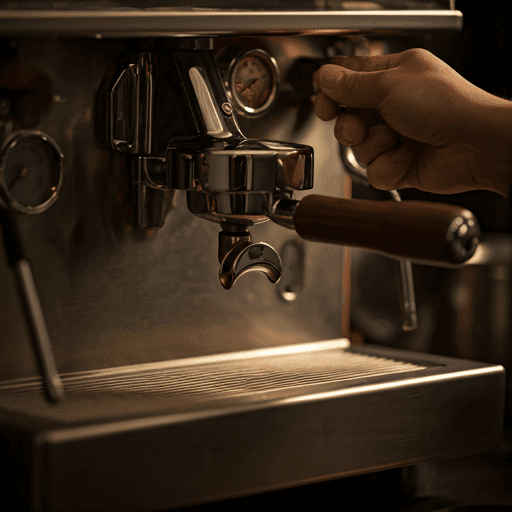
A coffee break is a short rest from work taken to drink coffee and pause for a few minutes. It is part caffeine, part breathing room, and part social ritual. The phrase itself is younger than the habit: people had been stepping away from the bench for a hot cup long before anyone gave the pause a name, but the modern idea of a scheduled coffee break crystallized in the United States in the early 1950s.
This guide explains what a coffee break really is, where it came from, how it became a workplace norm, and how the same instinct shows up around the world under different names, from the Swedish fika to the British tea break. We will also look at why a short, genuine pause tends to help focus and connection, without any productivity-guru hype.
What a coffee break actually is
At its simplest, a coffee break is a deliberate pause in the work day, usually mid-morning or mid-afternoon, built around a cup of coffee. The drink is the excuse; the rest is the point. Three things tend to define it:
- It is short. Most coffee breaks run somewhere between five and twenty minutes, not a full lunch hour.
- It is a true break. You step away from the task, the screen, or the production line, even if only to the kettle and back.
- It is often social. The coffee break is one of the few moments in a work day when colleagues talk to each other as people rather than as roles.
You do not need a job, an office, or even another person to take one. A solo coffee break at home between chores counts just as much. But the version that shaped the language and the workplace grew up around shift work and offices, so that is where the story starts.
The history of the coffee break
The habit predates the phrase. Coffee had been fuelling labor for centuries, and early factory owners noticed that a hot drink could revive a tired crew. Henry Ford is often credited with sanctioning a morning pause for assembly-line workers around 1910, and during the Second World War, defense plants gave workers time off for coffee as a way to keep morale and energy up on long shifts. None of these were called a "coffee break" yet, but the practice was spreading on the factory floor.
The 1952 ad campaign that named it
The term went mainstream thanks to advertising. In 1952, the Pan-American Coffee Bureau, an industry group funded by coffee-growing nations, launched a large radio, newspaper, and magazine campaign built around the slogan "Give Yourself a Coffee-Break, and Get What Coffee Gives to You." Backed by a substantial annual budget, the campaign did not just sell coffee; it sold the idea of pausing to drink it at work.
The results were striking. By the end of that year, a large majority of firms in one widely cited poll had introduced an official coffee break. A name had turned a scattered habit into a recognized institution, and the idea quickly spread beyond factories and offices into hospitals, churches, and homes.
From perk to workplace norm
Once the coffee break had a name and broad approval, it hardened into something close to a right. Over the following decades it appeared in employment expectations and, in many places, in labor agreements that spelled out paid rest periods. The work break stopped being a favor management granted and became part of the rhythm employees expected. The coffee itself eventually became almost beside the point; what mattered was the protected pause.
The coffee break around the world
The American coffee break is the most famous version, but the underlying instinct, pause, drink something warm, reconnect, is close to universal. The names and rituals differ.
| Tradition | Where | What makes it distinct |
|---|---|---|
| Coffee break | United States and beyond | Short mid-shift pause, often individual, popularized by 1950s advertising |
| Fika | Sweden | A social coffee-and-pastry ritual, often twice daily and treated as a near-mandatory team moment |
| Tea break / elevenses | Britain and the Commonwealth | A mid-morning pause with tea and a light snack, around 11 a.m. |
| Merienda | Spain, Latin America, the Philippines | An afternoon snack-and-drink break that bridges lunch and a late dinner |
Fika: Sweden's coffee break
Sweden takes the coffee break seriously enough to give it its own verb. Fika means to pause for coffee, usually with something sweet like a cinnamon bun, and it is woven deep into daily life. The word is widely thought to come from an inverted, slangy form of kaffi, an old spelling of the Swedish word for coffee, a verbal disguise from an era when coffee imports were repeatedly banned between the mid-1700s and early 1800s. Many Swedish workplaces fika once or twice a day, and the break is valued less for the caffeine than for the team bonding. Even large Swedish companies describe the daily fika as a kind of national institution.
The British tea break
In Britain and much of the Commonwealth, the equivalent ritual runs on tea rather than coffee. The mid-morning "elevenses" is a work break with tea and a biscuit, and the broader culture of stopping for a brew is so ingrained that "putting the kettle on" is shorthand for taking a moment. The drink differs but the function is identical: a small, restorative, often shared pause.
Why coffee breaks work
The coffee break survives because it does two useful things at once: it restores attention and it builds connection.
Short breaks help focus
Attention is not a tap you can leave running. Research on short rest periods, sometimes called microbreaks, consistently finds that brief pauses help reduce fatigue and restore vigor without hurting output. A common pattern in this work is that cognitive performance tends to dip after a long uninterrupted stretch, and a short pause helps reset it. The takeaway is simple and unglamorous: stepping away for a few minutes usually leaves you sharper when you return than pushing straight through would.
Caffeine plays a supporting role here. Coffee can genuinely improve alertness, which is part of why the drink and the break paired so well in the first place, though the size and timing of that effect vary from person to person. If you are curious about how the stimulant actually works, our explainer on caffeine covers the basics.
The social half is not a bonus
The other reason coffee breaks endure is human. A shared pause is where colleagues swap small information, defuse tension, and feel like part of a group rather than a row of seats. The Swedish insistence on fika as a team ritual is the clearest version of this idea, but it is present everywhere a workplace gathers around a kettle. The conversation that happens over coffee is often where culture, not just caffeine, gets made.
How to take a better coffee break
You do not need permission or a fancy machine. A good coffee break is mostly about intention.
- Actually step away. A coffee sipped while you keep typing is not a break. Move, even a few steps.
- Keep it short and real. Five to fifteen minutes is plenty. The point is a clean pause, not a long detour.
- Make it social when you can. Inviting one person turns a solo caffeine top-up into the kind of break that builds connection.
- Mind the timing. Late-afternoon coffee can disturb sleep for caffeine-sensitive people; a decaf or a tea break is a fine substitute.
Where you take it matters too. The coffee break is a close cousin of cafe culture, the same impulse to pause, drink well, and be among others. If that appeals, read our guide to what a cafe is and our look at the coffee bar for the spaces built entirely around this ritual.
The bottom line
A coffee break is a small thing with a long history: a short, deliberate pause from work, usually built around a cup of coffee, that an advertising campaign named in 1952 and that workplaces around the world have practiced under names like fika and the tea break ever since. It lasts because it works, restoring a little focus and a lot of connection in a few honest minutes. The next time you set the kettle going, you are taking part in a ritual that crosses borders and generations. To keep exploring the culture around the cup, wander over to our coffee hub.