
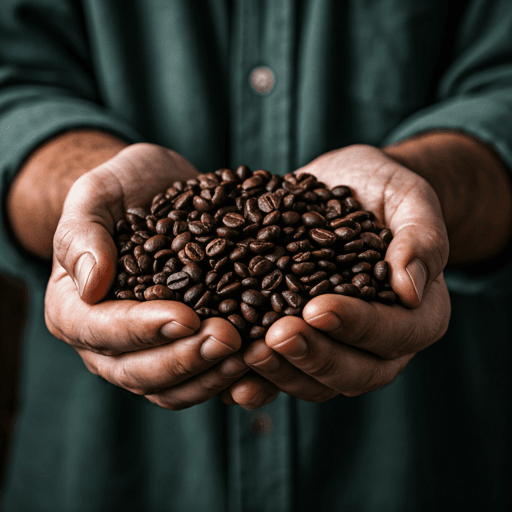
Yes — supermarket coffee beans can be genuinely good, and Aldi coffee beans (its Specially Selected and Barissimo lines) are the go-to example of store-brand value done right. The catch is almost never the beans themselves; it is freshness. Grocery beans often sit on a shelf for months, so the real skill is choosing the freshest, best-value bag on the aisle — and knowing when a dedicated roaster is worth the upgrade. This guide walks through the freshness trap, the store labels worth knowing, whole bean versus pre-ground, and a simple checklist for spotting the best supermarket coffee.
Are supermarket coffee beans actually good?
Short answer: often, yes. A lot of supermarket coffee beans are perfectly respectable single-origin or blended arabica, sometimes sourced from the same regions and even the same green-coffee suppliers as pricier labels. The gap between a good grocery bag and a mid-tier specialty bag is usually narrower than the marketing suggests. What separates the two is rarely the raw quality of the coffee and almost always three things: how long ago it was roasted, how it was packaged, and whether you grind it yourself.
That is good news for anyone shopping on a budget. It means you do not have to pay premium money to drink pleasant, drinkable coffee every morning. It also means the difference between a disappointing grocery bag and a genuinely enjoyable one comes down to reading the packaging correctly — a skill this guide is built around.
The freshness problem: why a grocery bag can taste flat
Coffee is a fresh product that behaves a bit like bread or produce. Once beans are roasted they slowly stale, releasing the carbon dioxide and volatile aromatics that give coffee its brightness and sweetness. Whole beans hold onto that flavor far longer than ground coffee, but even whole beans fade over weeks and months. The supermarket supply chain is long: beans are roasted, warehoused, shipped, stocked, and then sit on a shelf until you buy them. By the time a bag reaches your cart, it may be well past its flavor peak.
"Best before" is not "roasted on"
This is the single most important thing to understand about grocery coffee. Almost every supermarket bag prints a "best before" or "use by" date, which is usually a year or more after roasting — it tells you when the product is considered safe and sellable, not when it tasted its best. A roast date, by contrast, tells you exactly how old the coffee is. Specialty roasters print roast dates as a point of pride; most store brands print only a distant best-before date, which quietly hides how long the beans have already been aging.
Why long shelf time dulls flavor
Stale coffee is not unsafe — it is just muted. As beans off-gas and oxidize, the crisp acidity flattens, the aromatics thin out, and what is left is a duller, sometimes papery or woody cup. Darker roasts and oily beans go stale faster because more of the oils are already at the surface. This is why the same origin can taste vivid from a fresh roaster and forgettable from a bag that has been in a warehouse since last season. For a deeper look at how roast age changes the cup, see our fresh coffee beans guide, and once you have a good bag home, our notes on how to store coffee beans will help you keep it that way.
Store brands worth knowing (as factual examples)
You do not need a shopping list of "winners" — supermarket coffee changes constantly and varies by region — but it helps to know the categories of store brand coffee beans you will run into, so you can recognize good value when you see it.
- Aldi's own labels. The German-founded discounter sells coffee under names like Specially Selected (its premium tier) and Barissimo (its everyday line), spanning whole bean and ground, single-origin and blends, and pod formats. They are a textbook case of grocery store coffee beans offering solid quality for the money — the main thing to check is still the roast freshness.
- Trader Joe's. Owned within the same family as Aldi Nord, Trader Joe's carries a rotating range of own-brand whole bean and ground coffees, again positioned as approachable value rather than prestige.
- Warehouse-club own labels. Membership warehouses sell house-brand coffee in large formats — Costco's Kirkland Signature being the best-known example, some of it roasted by well-regarded specialty roasters under contract. Large bags are great value per cup but only if you can drink through them before they stale.
- Supermarket own-brands generally. Most major grocery chains worldwide print their own name on a line of beans, usually spanning a budget tier and a "finest"/"selected" premium tier. Quality ranges widely, so the packaging clues below matter more than the logo on the front.
Naming these is not an endorsement of any one bag over another — it is simply a map of what "store brand" looks like on the shelf. For what these beans actually are underneath the branding, our explainer on what coffee beans are covers the fundamentals.
Whole bean vs pre-ground at the supermarket
If you take one action from this guide, make it this: buy whole bean and grind it fresh. This is the single biggest quality jump available in a supermarket aisle, and it costs nothing extra. Pre-ground coffee has vastly more surface area exposed to air, so it stales far faster — a pre-ground grocery bag can lose much of its aroma within days of opening, while whole beans hold for weeks. Grinding just before you brew captures the aromatics that pre-ground coffee has already let go.
Whole bean also lets you match the grind to your brewing method, which pre-ground "one size fits all" coffee cannot. If you do not own a grinder yet, an inexpensive burr grinder pays for itself quickly in better-tasting grocery coffee. If you genuinely cannot grind at home, buy the smallest pre-ground bag you can, keep it sealed and cool, and use it up fast.
How to pick the best supermarket coffee bag
Reading a supermarket shelf well turns a gamble into a reliable buy. Here is what to check and why each thing matters, with a rough sense of what it signals about cost.
| What to check | Why it matters | Cost signal |
|---|---|---|
| A printed roast date (not just "best before") | Tells you the true age of the beans; the closer to today, the fresher the cup | Value to premium |
| Whole bean rather than pre-ground | Stays fresh far longer and lets you grind to your brewer | Any tier |
| A one-way degassing valve on the bag | Lets roasting gases escape without letting oxygen in — a sign the roaster cares about freshness | Value to premium |
| A named origin or region | Suggests a more considered, traceable coffee rather than an anonymous blend of leftovers | Value to premium |
| A clear roast level (light / medium / dark) | Helps you match the bag to your taste and brewing method | Any tier |
| Opaque, resealable, foil-lined packaging | Blocks light and air, the two things that stale coffee fastest | Value to premium |
| Sensible bag size for how fast you drink | A huge bag is only value if you finish it before it goes flat | Budget to value |
None of these require spending more — plenty of budget bags tick most of the boxes, and plenty of "premium" ones hide a distant best-before date. Prioritize the roast date and whole bean above everything else.
Store-brand tiers at a glance
Broadly, supermarket coffee sorts into three tiers. The labels differ by store, but the pattern is consistent.
| Tier | What you typically get | Relative cost |
|---|---|---|
| Everyday / value line | Large-format blends, often pre-ground and darker roasted; reliable and cheap, freshness varies most here | Budget |
| Premium / "selected" line | Whole bean, single-origin or named blends, better packaging and sometimes a roast date | Value |
| Contract or partner roasts | Store label roasted by a known specialty roaster, often in warehouse formats | Value to premium |
When to graduate to a specialty roaster
Supermarket beans are a smart default, but there is a ceiling. If you have started grinding fresh, dialed in your brew, and still find the cup a little flat or one-dimensional, freshness is probably the wall you have hit — and that is exactly where a dedicated roaster pulls ahead. Roasters ship within days of roasting, print the roast date openly, and offer origins and lighter, more expressive roasts that grocery supply chains rarely carry.
You do not have to choose one forever. Many people run a two-tier habit: an affordable supermarket bag for everyday, high-volume drinking, and a fresher bag from a roaster for weekend pour-overs or when they want to taste a specific origin. Subscriptions and local roasteries make the fresher option easy; our coffee roasters guide explains how roasters differ and what "fresh" really buys you.
The upgrade is most worth it if you brew with methods that reward clarity — pour-over, AeroPress, or a good espresso setup — where the difference between stale and fresh beans is most obvious. For a big drip pot or a milky latte, a solid supermarket bag often disappears into the drink and does the job just fine.
The bottom line
Supermarket coffee beans, Aldi's included, are far better than their bargain reputation — the limiting factor is time on a shelf, not the coffee in the bag. Buy whole bean, hunt for a roast date, favor a valve and opaque packaging, and pick a size you will actually finish, and you can pull a genuinely good cup out of the grocery aisle for very little money. When you are ready for more clarity and freshness than a warehouse supply chain can offer, a specialty roaster is there — but there is no shame in a well-chosen store-brand bag doing the everyday heavy lifting.