
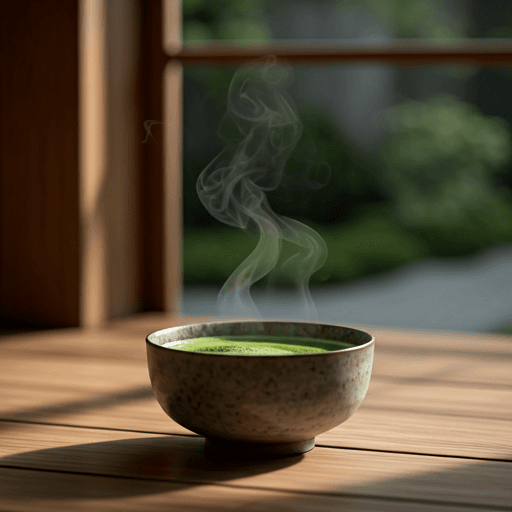
Soursop tea is a caffeine-free herbal infusion brewed from the leaves — or sometimes the pulp — of the soursop fruit (Annona muricata), a spiny green tropical fruit also known as graviola. It is a long-standing folk drink, widely promoted online for immunity and even as a "natural cancer cure," but here is the honest answer first: those big claims are not proven in people, and soursop naturally contains a compound called annonacin that has raised real safety questions. Enjoyed occasionally and with realistic expectations, soursop tea makes a pleasant, earthy cup — it is not a medicine.
Below is what soursop tea actually is, how it tastes, what the research does and does not support, and how to brew it sensibly. For the wider category it belongs to, see our guide to what herbal tea is.
What Is Soursop Tea?
Soursop tea, also sold as graviola tea, is made by steeping parts of the Annona muricata tree or its fruit in just-off-boil water. The plant grows across tropical regions of the Caribbean, Central and South America, West Africa and Southeast Asia, and the drink appears in the folk traditions of many of those places. It is naturally caffeine-free, so it belongs to the herbal or "tisane" family rather than to true tea from the Camellia sinensis plant.
There are two common versions. Soursop leaf tea is brewed from the dried green leaves, either loose or in tea bags, and is the form most often linked to wellness claims. Soursop fruit tea uses the pulp or a fruit extract and tastes noticeably sweeter and more tropical. Some blends combine both, and the fruit also turns up in juices, smoothies, sorbets and candies well beyond the teacup.
What Does Soursop Tea Taste Like?
The two versions taste quite different. The leaf tea is mild, grassy and earthy — closer to a light green herbal infusion than to fruit juice — with a faintly bitter, hay-like edge that many people soften with honey or a squeeze of lime. The fruit itself is famously sweet-tart, often described as pineapple crossed with citrus and a hint of banana or creamy custard, so fruit-based soursop teas lean juicy and refreshing. If you have only ever met soursop as an ice cream or agua fresca, a cup of the plain leaf tea will taste far more subtle than you expect.
Soursop Tea Benefits: What the Evidence Actually Shows
This is where it pays to separate tradition, marketing and science. In folk medicine, soursop leaf tea has traditionally been used as a calming bedtime drink and as a general "tonic," and the leaves and fruit do contain antioxidant plant compounds such as polyphenols, flavonoids and vitamin C. Antioxidants in a varied diet are broadly a good thing, and you can read more about how they work in tea in our explainer on antioxidants in tea. But the amount you get from an occasional cup is modest, and antioxidant content alone does not make a drink a treatment for anything.
The headline soursop tea benefits you see online — that it "kills cancer cells," "boosts immunity" or "cures" chronic disease — rest almost entirely on laboratory (test-tube) and animal studies of concentrated extracts, not of a brewed cup, and not of people. In those controlled lab settings some soursop compounds (acetogenins) have shown activity against certain cell lines, which is why the plant keeps getting studied. That is genuinely interesting early science. It is not the same as proof that drinking the tea prevents or treats disease in humans, and to date there is no reliable human clinical evidence that it does. Treating soursop tea as a cancer remedy is unproven and can be dangerous if it leads someone to delay or replace real medical care.
A fair, hedged summary: soursop tea is a caffeine-free herbal drink that may contribute some antioxidants and that many people simply enjoy. Any benefit beyond that is unproven. If you are drawn to tropical wellness leaves, a better-studied option to sip alongside it is moringa tea, and our roundup of anti-inflammatory teas puts these drinks in realistic context.
Claims vs. Evidence
| Popular claim | What the evidence shows / caution |
|---|---|
| "Cures or prevents cancer" | Only test-tube and animal studies of concentrated extracts. No reliable human evidence. Promoting it as a cure is unproven and risky if it replaces real treatment. |
| "Boosts your immune system" | Traditionally used this way; contains some antioxidants. Human proof is lacking — enjoy it as a drink, not as immune therapy. |
| "Packed with antioxidants" | Plausible: leaves and fruit contain polyphenols and vitamin C. A brewed cup delivers far less than a supplement dose. |
| "Lowers blood pressure and blood sugar" | Some animal signals only. This is also a caution: it may interact with blood-pressure or diabetes medication. |
| "It's natural, so it's totally safe" | Not true. Soursop naturally contains annonacin, a neurotoxin studied for a possible link to atypical parkinsonism with heavy long-term use. |
Is Soursop Tea Safe? The Annonacin Question
Soursop deserves a clear, prominent safety note, because "natural" does not mean risk-free. The fruit and leaves contain annonacin and related acetogenins, compounds that are neurotoxic in laboratory research. Population studies in tropical regions where soursop and related Annona fruits are eaten heavily and daily have raised a possible association with atypical parkinsonism (a movement disorder) tied to long-term, high consumption. The science is not settled, and an occasional cup is a very different exposure from eating the fruit or drinking concentrated extracts every day — but it is a real reason to keep intake occasional and moderate rather than treating soursop tea as an all-day beverage.
Other sensible cautions:
- Pregnancy and breastfeeding: soursop tea is generally not recommended — there is not enough safety data, and the neurotoxin question makes caution the wise default.
- Medication interactions: because soursop may affect blood pressure and blood sugar, it could interact with blood-pressure or diabetes medicines. It may also add to the effect of sedatives.
- Existing health conditions: anyone with a neurological, kidney, liver or heart condition — or anyone on regular medication — should check with a doctor or pharmacist before drinking it regularly.
- Not a substitute for care: never use soursop tea in place of diagnosis or treatment for a serious illness.
None of this makes an occasional cup alarming. It simply means soursop tea should be enjoyed the way you would enjoy any strong botanical: in moderation, with realistic expectations, and with professional advice if you have a health condition or are pregnant.
How to Make Soursop Tea
Brewing is simple, and the method is the same whether you use a commercial tea bag or a few dried leaves. Keep it occasional rather than all day, and go light on your first cup to see how the earthy flavor sits with you.
What You Need
- 1 soursop tea bag, or about 5–10 dried soursop leaves (or 1–2 teaspoons crushed dried leaf)
- 1 cup (about 240 ml) fresh water, heated to just off the boil
- Optional: honey, a squeeze of lime or a slice of ginger to round out the flavor
Steps
- Heat fresh water until it is steaming and just off the boil (roughly 90–95°C). Very hard-boiling water can make the leaf taste more bitter.
- Place the tea bag or leaves in a cup or small pot and pour the hot water over them.
- Cover and steep for about 5–10 minutes — shorter for a mild, grassy cup, longer for a stronger, earthier one.
- Strain out the leaves (or lift out the bag). Taste it plain first; the leaf tea is gently savory rather than sweet.
- Sweeten with a little honey or brighten it with lime if you like. Serve hot, or chill it over ice for a refreshing summer version.
Because it is caffeine-free, soursop tea is often chosen as an evening drink, and it pairs naturally with other calming herbals. If you want to explore that wind-down category more broadly, there are plenty of gentle, caffeine-free botanicals worth keeping on the shelf beside it.
The Bottom Line
Soursop tea — graviola tea — is a caffeine-free herbal infusion with a mild, earthy leaf character and a sweet-tart fruit side, carried along by generations of tropical folk tradition and a lot of modern internet hype. The honest read is that it is a pleasant drink with some antioxidant content and a genuinely unproven medical reputation. Enjoy it occasionally, keep your expectations grounded, respect the annonacin safety note, and talk to a doctor before making it a daily habit — especially if you are pregnant, breastfeeding, on medication or managing a health condition. Drunk that way, it earns a comfortable place on the herbal shelf; sold as a miracle cure, it does not.