
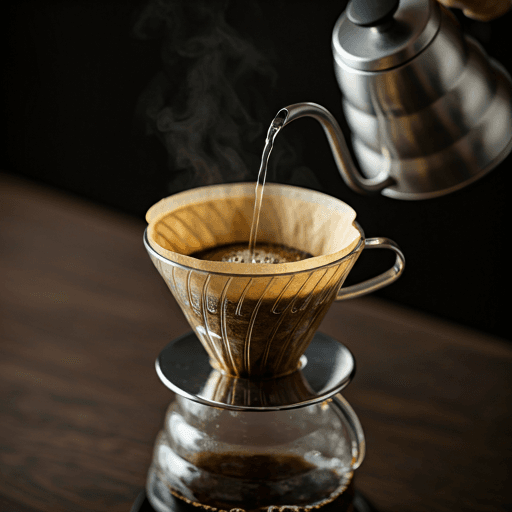
Siphon vs cold brew is a study in opposites. One is a hot, almost theatrical vacuum brew that finishes in a few minutes; the other is a cold, patient steep that runs for hours in the fridge. A siphon (also called a vacuum brewer) uses a heat source and vapour pressure to draw hot water upward, mixes it with the grounds, then lets a vacuum pull the finished coffee back down through a filter. Cold brew skips heat entirely, soaking coarse grounds in cold water and straining the result into a smooth, low-acid concentrate. So the split is a hot, precise showpiece against a cold, hands-off batch.
The short answer: siphon vs cold brew
A siphon is a hot, full-immersion vacuum method. You heat water in a lower chamber, vapour pressure pushes it up into an upper chamber holding the grounds, everything brews together for a short stretch, then you cut the heat and a vacuum draws the coffee back down through a filter. The whole thing plays out at the table in minutes and pours a clean, bright, aromatic cup.
Cold brew is the mirror image: coarse grounds sit in cold or room-temperature water for many hours, usually around 12 to 24, then get strained. No heat, no drama, just time. The payoff is a mellow, sweet concentrate that you keep in the fridge and dilute over ice. We will keep the cold-brew recipe brief here, because two dedicated guides already walk through it: what cold brew coffee is and how to make cold brew coffee at home.
How each one works
The mechanics are where the difference between siphon and cold brew is most obvious. A siphon has two glass chambers stacked vertically. You add water to the bottom bulb and light a burner (an alcohol lamp, butane torch, or halogen beam) underneath. As the water heats, expanding vapour builds pressure and forces the water up a tube into the top chamber, where it meets the grounds. It brews as a full immersion for a short window, often with a gentle stir. When you remove the heat, the bottom chamber cools, pressure drops, and the resulting partial vacuum sucks the brewed coffee back down through a cloth, paper, or metal filter. The clean cup lands in the lower bulb, ready to pour.
Cold brew has no moving parts and no heat at all. Coarse grounds and cold water go into a jar or a dedicated steeper, sit undisturbed for the long soak, and are then separated from the grounds with a filter or a fine mesh. Extraction happens slowly because cold water pulls compounds out far more gently than hot water, which is exactly why the process takes so long and why the flavour turns out the way it does.
Temperature and time
Temperature is the headline contrast. A siphon brews near boiling, typically around 90 to 96 C (roughly 195 to 205 F), the same hot-extraction zone most everyday coffee lives in. That heat pulls flavour out quickly, so the active brew is short, often just a couple of minutes once the water is in the top chamber, with the full ritual from lighting the burner to the final pour running about four to eight minutes. Numbers vary with your heat source, grind, and batch size, so treat these as guideposts rather than rules.
Cold brew runs at the other end. Water is cold or at room temperature, and the steep stretches roughly 12 to 24 hours depending on how strong you want the concentrate and how coarse the grind is. Some people push toward the longer end for a bolder result; others stop sooner for something lighter. Either way, cold brew is measured in hours while a siphon is measured in minutes, and that single gap shapes almost everything else about the two methods.
Flavour and clarity
These two brews taste like the temperatures that made them. A siphon tends to produce a bright, clean, highly aromatic cup that many drinkers describe as almost tea-like. The hot full immersion plus a fine filtration step lifts delicate florals and fruit notes and keeps more of the coffee's natural acidity, so origin character reads clearly. It often has a light, silky body rather than a heavy one, and the flavour usually feels layered and lively.
Cold brew leans the opposite way. Because cold water extracts fewer of the acidic and bitter compounds, the cup comes out mellow, smooth, and noticeably sweet, with very low perceived acidity. The body is usually rounder and the flavour softer, showing chocolate, nut, and caramel tones more than sharp brightness. These are tendencies, not guarantees: your beans, grind, ratio, and steep time all move the needle, and taste is personal, so your mileage will vary.
Effort and gear
Here the two could not be further apart. A siphon is hands-on and gear-heavy. You need the two-chamber brewer, a heat source, a filter, and a fair amount of attention, because you are managing an open flame, watching the water rise, timing the brew, and cutting the heat at the right moment. It rewards focus and makes a cup or two at a time, which is part of why vacuum coffee vs cold brew feels like performance art versus meal prep. It is a wonderful weekend ritual and a genuine centrepiece when people are watching.
Cold brew is the definition of set-and-forget. Combine grounds and water, cover, walk away, and come back many hours later to strain. There is no timing, no heat, and no technique to master beyond getting your ratio roughly right. It scales easily to a big batch and asks almost nothing of you once it is going, which makes it ideal for busy mornings or feeding a crowd. If a siphon is about the moment of brewing, cold brew is about never having to think about brewing again for days.
Serving
A siphon is served the way it is made: fresh and hot, poured straight from the lower chamber into a cup and enjoyed right away while the aromatics are at their peak. It is a single-serve or small-batch experience, best in the moment.
Cold brew is made ahead and served cold. Because you brewed a concentrate, you dilute it with water, milk, or ice to taste when you are ready to drink, and it keeps well in the fridge for several days. That make-ahead nature is the whole point: one long steep gives you a week of quick iced coffee. If you love the cold side of this comparison, the two cold brew guides linked above cover ratios and dilution in depth.
Siphon vs cold brew at a glance
| Factor | Siphon (vacuum) | Cold brew |
|---|---|---|
| Mechanism | Vapour pressure pushes hot water up to the grounds, then a vacuum pulls the coffee back down through a filter | Coarse grounds soak in cold water by immersion, then are strained |
| Water temperature | Near boiling, around 90 to 96 C (about 195 to 205 F) | Cold or room temperature |
| Brew time | Minutes (roughly 4 to 8 including heat-up) | Hours (roughly 12 to 24) |
| Body and acidity | Light, clean, aromatic, more acidity, tea-like | Round, smooth, sweet, very low acidity |
| Best for | A hands-on, hot, impressive brew for one or two cups | An effortless, make-ahead iced batch |
Figures in the table are typical ranges and will shift with your beans, grind, and setup, so lean on your own taste.
Which to choose, and when
Choose a siphon when the brewing itself is part of the pleasure. If you want a hot, precise, bright cup, enjoy hands-on ritual, and like showing off a bit of theatre for guests, the vacuum method is hard to beat, and it flatters light-roast, single-origin beans especially well. It suits an unhurried morning or a moment when you actively want to be involved. If you are weighing it against another hot precision method, the comparisons in siphon vs espresso and siphon vs pour over break down those trade-offs in more detail.
Choose cold brew when convenience and a smooth, low-acid glass over ice matter most. If you want to brew once and drink all week, prefer a mellow sweet profile, are sensitive to acidity, or simply do not want to fuss with equipment on a hot day, the long cold steep wins. Many people happily keep both in rotation: a siphon for the occasional hands-on hot cup and a fridge full of cold brew concentrate for everything else. Framed as cold brew vs siphon, it is less about which is better and more about whether you want a moment of craft now or a batch of easy coffee later.