
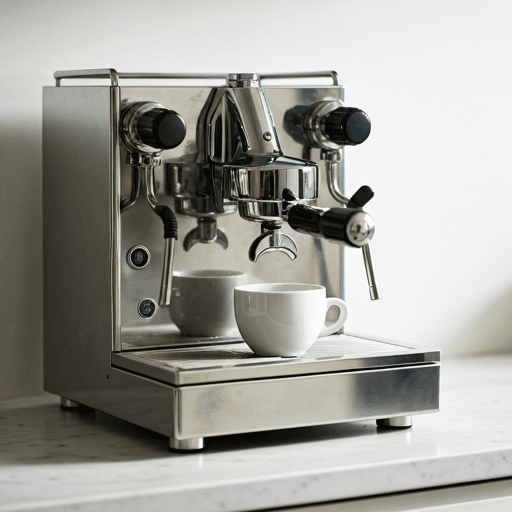
The siphon vs espresso comparison lines up two very different ways to make coffee that aim at opposite cups. A siphon, also called a vacuum pot or vac pot, uses heat and vapor pressure in a theatrical two-chamber glass setup to fully immerse the grounds, then pulls the brew down through a cloth or fine filter for a light, clean, delicate, aromatic cup. An espresso machine does the reverse: it forces hot water through a compact puck of finely ground coffee at high pressure to pull a tiny, thick, concentrated shot topped with crema.
In one line: a siphon gives you a full mug of clean, delicate, regular-strength coffee, while espresso gives you a small, powerful concentrate. Both methods use pressure, but at wildly different levels and toward completely different goals. Below is how they differ in how they work, serving size, body, flavor and caffeine.
Siphon vs espresso: the short answer
Think of it as a delicate full-immersion brewer versus a high-pressure concentrate. A siphon steeps the grounds in hot water and then filters the result, so you end up with a normal-sized cup that tastes bright, aromatic and almost tea-like. Espresso does the opposite job: it drives water through the grounds fast and hard, so you get a short, syrupy, intense shot rather than a mug you sip on its own for ten minutes.
They rarely compete for the same moment. A siphon is a slow, showpiece brew for savoring a single-origin coffee, while espresso is a quick jolt or the base for a latte or cappuccino. If you just want the headline, that is it. For the full mechanics of each, the standalone siphon coffee makers explained guide and our breakdown of what an espresso shot is go deeper than this side-by-side can.
How each one works
The siphon (vacuum pot)
A siphon has two glass chambers stacked vertically with a filter between them. You put water in the lower bulb and coffee grounds in the upper vessel, then apply heat from a burner underneath. As the water heats, vapor pressure builds and pushes almost all of the water up into the top chamber, where it mixes with the grounds and brews by full immersion for a short steep. When you remove the heat, the lower bulb cools, a partial vacuum forms, and that vacuum draws the finished coffee back down through the filter, leaving the spent grounds behind. The theatrical rise-and-fall is a big part of the appeal, and the cloth or paper filter is what keeps the cup so clean.
Espresso
An espresso machine works by pressure, not vapor. A pump pushes hot water (roughly 90-96 C, so around 195-205 F) through a tightly packed bed of finely ground coffee at high pressure, usually in the region of 9 bar, for a short pull of about 25-30 seconds. That combination of fine grind, firm tamp, heat and pressure extracts a small, intense liquid and emulsifies oils into the golden crema on top. Numbers here vary with the machine, the beans and how a shot is dialed in, so treat them as rough guides rather than a fixed recipe. The takeaway is simple: a siphon relaxes hot water through the grounds, while espresso forces it.
Strength and serving size
This is the biggest practical difference. A siphon brews a normal-sized cup, often somewhere around 200-300 ml, that drinks like a lighter, cleaner filter coffee. Espresso produces a concentrated shot of only about 1-2 oz (roughly 30-60 ml). Ounce for ounce, espresso is far stronger and more concentrated, but you drink much less of it at once.
Because of that, calling one "stronger" depends on what you mean. Espresso wins on intensity per sip by a wide margin, yet a whole siphon cup delivers more total liquid. If you want a full mug you can nurse, the siphon is built for that. If you want a quick, powerful hit or a base for milk drinks, espresso is the tool. For a related take on how a pressurized concentrate compares with a lighter stovetop brew, our guide on moka pot vs espresso unpacks the strength question in more detail.
Body and flavor
The two cups sit at opposite ends of the texture scale. Siphon coffee tends to be clean, bright and aromatic, with a light body and clarity that many people describe as tea-like. Because the filter removes most of the oils and fines, delicate floral, fruity and tea-like notes in a good single-origin coffee can come through clearly. It is a cup made for careful sipping rather than mixing.
Espresso goes the other way: rich, syrupy and intense, with a heavy body and a layer of crema that carries much of its aroma. The concentration amplifies sweetness, bitterness and roasty depth all at once, which is exactly why it stands up so well to steamed milk. Flavor outcomes always depend on the beans, roast and how each is brewed, so read these as tendencies rather than guarantees. In short, siphon leans elegant and transparent, espresso leans bold and textured.
Caffeine per serving vs per volume
Caffeine is where the "which is stronger" question gets slippery, so it helps to separate concentration from total dose. A single espresso shot is very concentrated but small, often cited at somewhere around 63 mg, though it can range widely with the beans and shot size. A full siphon cup is far more diluted per ounce, but you are drinking a much larger volume, so the totals can land in a similar ballpark depending on the dose of coffee used and how the drink is made.
In other words, espresso packs more caffeine into each sip, while a siphon spreads a comparable amount across a bigger cup. All of these figures are rough averages and vary from cup to cup and person to person, so treat them as ballparks rather than precise measurements. Responses to caffeine vary, and this is general information, not medical advice; if caffeine sensitivity, sleep, pregnancy, breastfeeding, medication or any health concern is on your mind, ask your own healthcare provider.
Effort and gear
The two methods also ask very different things of you. A siphon is fragile, hands-on and slow. It is largely made of glass, needs a heat source and a filter you keep clean, and rewards attention to timing and technique, which is part of why it often shows up as a centerpiece brew in cafes and at home for guests. It is less a grab-and-go device than a small performance.
Espresso, meanwhile, needs a pump-driven machine plus a capable burr grinder that can hit an espresso-fine setting, and it takes practice to dial in grind, dose and tamp. Once you are set up, a shot pulls in under a minute, so it is fast day to day even if the equipment is more of an upfront commitment. Neither is described here in terms of cost; the point is that a siphon trades speed for spectacle, while espresso trades a steeper learning curve for quick, repeatable shots. If you like the immersion-and-filter idea but want a simpler, more forgiving brewer, our siphon vs french press comparison is worth a look.
Which one suits you
Choose a siphon if you love the ritual, want a clean and delicate cup that highlights a special coffee, and enjoy a brew method that doubles as a talking point. It is ideal for slow mornings, single-origin beans and anyone who treats coffee as an experience to watch and savor.
Choose espresso if you want a small, powerful shot on its own or a reliable base for lattes, cappuccinos, flat whites and other milk drinks, and you value speed once the machine is set up. It suits people who want intensity, versatility and a quick jolt more than a theatrical, sit-and-watch brew. Many coffee fans happily keep both around: espresso for everyday milk drinks and quick shots, a siphon for the occasions when the process is half the pleasure.
Siphon vs espresso at a glance
| Attribute | Siphon (vacuum pot) | Espresso |
|---|---|---|
| How it works | Vapor pressure pushes water up into the grounds for a full-immersion steep, then a vacuum pulls the brew down through a filter | A pump forces hot water through a compact puck of fine grounds at high pressure (around 9 bar) for roughly 25-30 seconds |
| Serving size | A normal-sized cup, often about 200-300 ml | A small shot, about 1-2 oz (roughly 30-60 ml) |
| Strength and body | Light, clean, bright and aromatic, almost tea-like; regular-strength coffee | Rich, syrupy and intense with heavy body and crema; a concentrate |
| Caffeine per serving | Diluted per ounce but a larger cup, so totals can be similar (varies) | Very concentrated but small, often cited around 63 mg per shot (varies) |
Both brewers rely on pressure, yet a siphon uses gentle vapor and vacuum to make a delicate full mug, while espresso uses forceful high pressure to make a tiny concentrate. Once you know which cup you are chasing, the choice tends to make itself.