
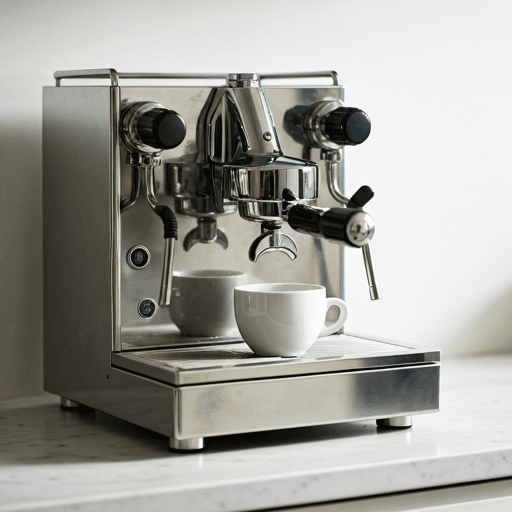
A single-serve coffee maker brews one cup at a time instead of a whole pot, so you get a fresh cup on demand and never pour a half-finished carafe down the sink. The single cup coffee maker family splits into a few clear routes: pod or capsule machines (Keurig, Nespresso and similar), single-cup drip brewers that take your own ground coffee, combination pod-and-carafe machines, and simple one cup coffee maker options you work by hand. People reach for them for speed, convenience and zero leftover coffee.
This guide walks through the main types and their trade-offs, then a plain checklist of what to look for so you can match a machine to how you actually drink coffee. We keep to qualitative cost only, and point to the deeper sibling guides where a whole category deserves its own page.
What a single-serve coffee maker does
Every single-serve coffee maker shares one job: heat a measured amount of water and pass it through a single portion of coffee, straight into your mug or travel cup. What changes from model to model is what holds that portion of coffee and how the water gets through it — a sealed pod, a paper or mesh filter, or a hand-driven chamber. That one choice drives everything else: cost per cup, how much coffee freedom you have, how much packaging waste you create, and how much effort each cup takes.
Because there is no carafe, these machines are compact, quick to warm up on most models, and simple to clean. The trade-off is volume. Brewing for a table of guests one cup at a time is slow, so a single-serve setup suits solo drinkers, couples, small offices and anyone who values variety and a fresh cup over making a big batch at once.
The main types of single-serve coffee maker
Almost every one-cup machine on the market falls into one of four groups. They overlap at the edges — some machines do two jobs — but the split below is the fastest way to understand what you are choosing between.
Pod and capsule machines
Pod machines brew from a pre-portioned pod or capsule — a K-Cup, a Nespresso capsule, a Dolce Gusto pod or a soft coffee pad, depending on the system. You drop in a pod, close the lid, press a button, and a measured shot of water is forced or dripped through it. The appeal is consistency and tidiness: no grinding, no measuring, no wet grounds to knock out, and a cup that tastes the same every time. Capsule espresso systems also build genuine crema, while drip-style pod machines make a fuller mug.
The catch is the pod itself. You are locked into one system's pods (or third-party ones made for it), each cup costs more than loose coffee, and single-use pods create packaging waste unless you recycle them or switch to a refillable pod. If a pod machine is your likely route, our Keurig coffee maker guide covers the most common K-Cup system in depth, and our roundup of the best pod and capsule coffee machines compares the systems side by side.
Single-cup drip and ground-coffee machines
These brew like a miniature drip machine but for one mug. You spoon your own ground coffee into a small brew basket — usually a reusable mesh filter, sometimes a paper one — add water, and it drips straight into a mug or travel cup. Because you use ordinary ground coffee, the cost per cup is far lower than pods, you can use any coffee you like, and the only waste is the spent grounds, which compost. The trade-off is a little more effort: you measure and dose each time, and clean the basket after. Many of these models double as soft-pod brewers too, giving you both options in one machine.
Combination pod-and-carafe machines
Some machines hedge the whole question by offering both a single-serve side and a full carafe side, usually with two water reservoirs or a shared one. You brew a single cup on a rushed morning and a small pot when there is company. They cost more up front and take up more counter space than a pure one-cup maker, but they remove the "what if I need more than one cup" worry entirely. Treat them as a drip machine with a single-serve bonus rather than a specialist one-cup brewer.
Manual one-cup makers
The most affordable and most hands-on route needs no electricity in the brewer at all: a small pour-over cone, an AeroPress-style press, or a single-cup immersion brewer. You add ground coffee, pour your own hot water from a kettle, and control the whole brew yourself. These give you the most control over strength and flavour, cost the least to buy, travel well, and produce only compostable grounds — but they ask the most of you each cup and depend on a separate kettle for hot water. For anyone who enjoys the ritual, they are the purest single-cup experience.
Single-serve coffee maker types compared
Here is the quick decoder. Cost is shown only in relative terms — the machine price and the price per cup both vary widely by brand, model and market.
| Type | How it brews | Best for | Cost feel |
|---|---|---|---|
| Pod / capsule | Pre-portioned pod; water forced or dripped through at a button | Speed, consistency, hands-off variety | Low-to-moderate machine; higher per cup; pod waste unless refillable |
| Single-cup drip / ground | Your ground coffee in a mesh or paper filter, drips into the mug | Everyday value and coffee freedom with minimal fuss | Low machine; low per cup; only grounds as waste |
| Pod-and-carafe combo | A single-serve side plus a full carafe side in one body | Households that need one cup most days and a pot sometimes | Higher machine; per cup depends on which side you use |
| Manual one-cup | Hand pour-over, press or immersion using a separate kettle | Control, ritual, travel and the tightest budget | Lowest to buy; low per cup; most hands-on |
What to look for in a single cup coffee machine
Once you know the type, these are the practical details that decide whether a single cup coffee machine actually fits your kitchen and your habits.
System lock-in versus coffee freedom
This is the biggest decision. A pod machine ties you to one pod system and its ongoing supply; a ground-coffee or manual maker lets you brew any coffee, from a supermarket bag to a fresh single-origin roast. Many pod machines accept a refillable pod that you fill with your own grounds, which softens the lock-in and cuts both cost and waste — if that flexibility matters to you, check that reusable pods are supported before you buy.
Cup and travel-mug clearance
Measure the gap between the spout and the drip tray, and check whether the tray is removable or adjustable. A machine that only clears a short mug will not fit a tall travel tumbler, which is a daily annoyance if you brew into a commuter cup. The best single serve coffee maker for a commuter is often simply the one with the most headroom and a removable tray.
Brew size options
Look at the range of cup sizes a machine offers, from a small strong cup to a large mug or travel size. Some let you set the exact water volume; others give two or three fixed buttons. If you like a big, milder mug or a short, intense one, make sure the machine can hit it — adding water to a tiny pod shot only dilutes the same amount of coffee.
Speed, warm-up and water tank
Pod and single-serve machines are prized for being fast, but warm-up time and whether the machine keeps water hot between cups both affect the real wait. A removable water tank is easier to refill and clean than a fixed one, and a larger tank means fewer refills for back-to-back cups — handy in an office, less important for a single drinker.
Cleaning and descaling
Everyday cleaning should be quick: a rinsable brew basket or pod holder, a removable drip tray, and few crevices to trap grounds. Beyond that, any machine that heats water needs periodic descaling to clear mineral scale, so favour models with a clear descale routine or a reminder light. Simpler is better here — the fewer parts, the less there is to clog or leak.
Matching a maker to your routine
There is no single "best single serve coffee maker" for everyone, because the right pick follows your habits, not a scoreboard. If you value speed and consistency above all and do not mind buying pods, a capsule or pod machine wins. If you want the lowest cost per cup and the freedom to brew any coffee, a single-cup drip or ground-coffee model is the sweet spot. If you sometimes need more than one cup, a pod-and-carafe combo covers both. And if you enjoy the process and want to spend the least, a manual pour-over or press is hard to beat.
Weigh up three things in order: how much coffee freedom you want, how much effort you will happily put in each morning, and how the ongoing cost and waste of pods sit with you. For a broader walk through that decision across every brewing method, see how to choose a coffee maker, and for the wider field of machines beyond single-serve, our complete coffee maker guide puts one-cup brewers in context.
The bottom line
A single-serve coffee maker earns its place when you want one good cup, quickly, with nothing wasted — and the honest work is deciding which trade-off you can live with. Pods buy you speed and tidiness at the cost of lock-in and packaging; ground and manual makers hand you freedom and low cost in exchange for a little more effort. Match those trade-offs to your own mornings, mind the practical details like cup clearance and reusable-pod support, and the one-cup machine you end up with will quietly fit your routine rather than fight it.