
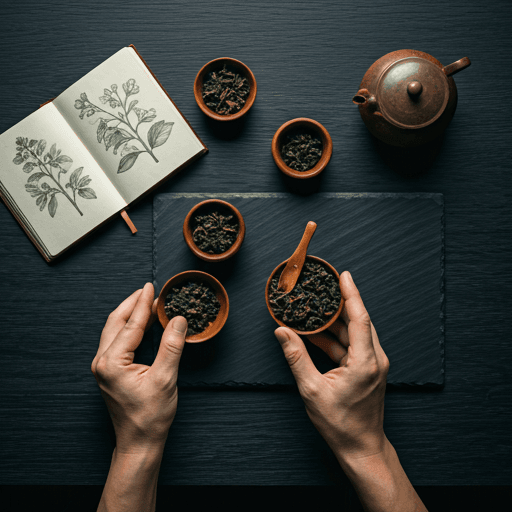
Pukka tea is a British organic herbal-tea brand, founded in Bristol in 2001 and known for ethically sourced, mostly caffeine-free blends inspired by Ayurvedic thinking. Its best-known teas — Three Mint, Turmeric Gold, Night Time and Elegant English Breakfast — are all certified organic, and each one is built around a feeling or a moment of the day rather than a single leaf. If you have seen those brightly patterned boxes on a shelf and wondered what sits behind them, this guide walks through the brand story, the range, and how to choose and brew a cup.
What Is Pukka Tea?
Pukka tea began in Bristol, England, in 2001, when herbalist Sebastian Pole and entrepreneur Tim Westwell set out to make organic herbal blends of a quality usually reserved for a practitioner's dispensary. The name is telling: "pukka" is a word borrowed into English meaning genuine, authentic and top-quality, and the brand leans on that idea across everything it sells. From the start the promise was whole, organically grown herbs rather than the dusty offcuts that fill a lot of cheap tea bags.
Two things anchor the brand. First, it is certified organic across the range — the herbs are grown without synthetic pesticides or fertilisers. Second, sourcing is treated as an ethical project rather than a box to tick: Pukka works with fair-trade style schemes such as Fair for Life, uses FairWild standards for herbs that are wild-harvested, and has long committed a share of its sales to environmental causes. The blends themselves are Ayurvedic-inspired, meaning they borrow from the Indian tradition of combining herbs for balance and a particular feeling, though the teas are sold simply as enjoyable drinks.
Ownership has changed as the brand has grown. Pukka was acquired by a large consumer-goods company in 2017 and now sits within a bigger specialist tea group, so the corporate parent you will see named varies by market and by year — the founders' organic-and-ethical philosophy has, by the company's account, carried through. If you are new to this style of drink altogether, it helps to start with what herbal tea actually is, since Pukka's caffeine-free blends are infusions of herbs, flowers, roots and spices rather than leaves from the tea plant.
The Pukka Tea Range
The bulk of the Pukka tea range is caffeine-free herbal infusions, grouped loosely by mood and purpose. Understanding those families is the quickest way to navigate the shelf.
Caffeine-free herbal blends
Mint and digestive teas such as Three Mint and Peppermint & Licorice are cooling and fresh. Calming blends like Night Time, Relax and Chamomile, Vanilla & Manuka Honey lean on chamomile, lavender and other soft florals. Warming, spiced options include Three Ginger and Lemon, Ginger & Manuka Honey, while the golden turmeric line — Turmeric Gold and Turmeric Active — is earthy and warming. There are also fruit-forward infusions (blackcurrant, elderberry, hibiscus) and herbaceous "cleanse" style blends built around fennel, aniseed and nettle. These are all part of the Pukka herbal tea family and contain no caffeine.
Green, matcha and black blends
Beyond the herbals, Pukka teas include green-tea blends — several of which fold in matcha, such as Clean Matcha Green and Supreme Matcha Green — plus at least one classic black tea, Elegant English Breakfast, and scented options like an organic Earl Grey. Because these use leaves from Camellia sinensis, they do contain caffeine, unlike the herbal infusions. For the wider world of mixed herb-and-spice teas that this range sits within, how blended teas work is a useful companion read.
| Blend family | Character | When to drink |
|---|---|---|
| Mint / digestive (e.g. Three Mint) | Cool, fresh, herbaceous | After meals, a midday reset |
| Chamomile / relax / sleep (e.g. Night Time) | Soft, floral, soothing | Evening wind-down |
| Ginger / warming (e.g. Three Ginger) | Spicy, zesty, warming | Cold mornings, chilly days |
| Turmeric / golden (e.g. Turmeric Gold) | Earthy, spiced, mellow | Midday, cosy afternoons |
| Green / matcha blends | Grassy, light, lightly caffeinated | Morning to early afternoon |
| Black tea (Elegant English Breakfast) | Malty, brisk, caffeinated | Breakfast, a proper morning cup |
What Makes Pukka Distinctive
Plenty of brands sell herbal tea, so what sets this one apart? A few things, in practice:
- Organic across the board. Pukka organic tea is not a single "organic range" bolted onto a conventional line — the whole catalogue is certified organic, which is unusual at supermarket scale.
- Ethical and sustainable sourcing. Fair-trade style partnerships, FairWild standards for wild herbs, and a long-standing pledge to give a portion of sales to environmental causes are core to how the brand describes itself.
- Blends named for a feeling or a time of day. Instead of listing only ingredients, boxes carry names like Night Time, Relax and Cleanse. It is a wellness-led way of blending: pick the moment, and the herbs follow.
- Whole-herb quality. The emphasis is on whole flowers, leaves and roots blended by in-house herbalists, which tends to give a fuller cup than fannings and dust. Packaging in many markets is designed to be plastic-free and compostable, though specifics vary by region.
It is worth keeping the wellness language in perspective. These are pleasant, well-made drinks, and traditional uses — mint after a meal, chamomile before bed — are habits, not medicine. Pukka's teas are not a treatment for anything, and none of the blends should be read as a health claim. For the broader category this brand helped popularise, our organic herbal tea guide covers what "organic" and "wellness" blends do and do not promise.
How to Choose and Brew a Pukka Blend
Choosing is mostly about matching the blend to the moment. Want something after dinner? Reach for a mint or fennel blend. Winding down? Chamomile or a Night Time style blend. Need a morning lift with caffeine? The black English Breakfast or a green-matcha blend. Feeling under the weather and craving warmth? Ginger or turmeric. Because the names are written in plain English, the range is genuinely easy to shop by mood.
Brewing herbal blends
- Use one tea bag (or teaspoon of loose blend, where sold) per cup.
- Pour over water that has just come off the boil — full boiling water is fine for robust herbal infusions.
- Cover the cup or pot while it steeps to keep the aromatic oils in.
- Steep herbal blends longer than you would black tea — roughly 5 to 15 minutes depending on how strong you like it. Herbal infusions rarely turn bitter, so a long steep is safe.
- Drink neat. Most herbals need no milk; a little honey or lemon suits ginger, turmeric and fruit blends.
Brewing the green and black blends
Treat these like ordinary tea. Green and matcha blends prefer cooler water — around 70 to 80°C — and a shorter steep of two to three minutes to stay sweet rather than grassy-bitter. The black English Breakfast takes near-boiling water, three to four minutes, and can handle a splash of milk. If you want to go deeper on technique, the same brewing principles apply to any of these when bought as loose leaf rather than in bags.
How Pukka Fits Among Tea Brands
In the wider landscape, Pukka occupies the organic, wellness-led corner of the shelf. Mainstream everyday brands compete on price, familiarity and brisk breakfast blends; Pukka competes on organic certification, ethical sourcing and inventive herbal recipes, usually at a premium to the cheapest bags. If you are comparing it against a large conventional player, our Lipton brand guide makes a useful contrast — one is a global everyday-tea giant, the other a specialist organic herbalist. Neither is simply "better"; they answer different questions. Fittingly, the two now sit under the same tea-group umbrella, even as they keep very different characters on the shelf.
Whether you buy Pukka teas for the mint after lunch, the chamomile before bed or the golden turmeric on a grey afternoon, the appeal is consistent: a tidy, organic, mood-led range that makes herbal tea easy to reach for. Start with one or two blends that match your daily rhythm, brew them a little longer than you expect, and let the range reveal itself a box at a time.