
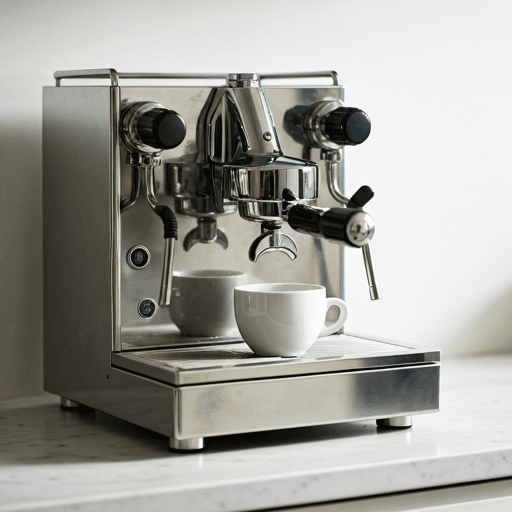
A Philips coffee machine can mean three very different things, so the right one depends on how you like to brew. Philips builds Senseo soft-pad pod machines (co-developed with Douwe Egberts), fully automatic bean-to-cup espresso "Series" machines (many with the tube-free LatteGo milk system), and simple drip filter makers. That means the "best" Philips comes down to a single question: do you want the convenience of pods, the flavour of freshly ground beans, or a straightforward jug of filter coffee?
This guide walks the whole range family by family, then lays out what to look for so you can match a machine to your kitchen and your morning. Exact model line-ups shift by region and year, so treat the tiers below as the shape of the range rather than a fixed catalogue.
The Philips coffee machine range at a glance
Philips does not make one flagship coffee machine; it makes several parallel lines that barely resemble each other. A Senseo pod brewer and a fully automatic espresso Series machine are aimed at completely different drinkers, and Philips also owns the more premium Saeco brand, which shares much of the same bean-to-cup engineering under a different badge. The table below is the fastest way to see where each line fits before we dig into the detail.
| Philips line | How it brews | Milk | Best for |
|---|---|---|---|
| Senseo (soft-pad pods) | Pressed coffee pads, pump-driven crema layer | None built in (optional milk frother or froth by hand) | Easy, low-fuss everyday cups with minimal cleanup |
| Automatic Espresso Series (1200-5500) | Whole beans, built-in grinder, one-touch extraction | LatteGo, a classic carafe, or none by tier | Fresh espresso and milk drinks at the push of a button |
| Saeco (Philips-owned) | Whole beans, bean-to-cup | Carafe, LatteGo or manual wand by model | Buyers who want a more premium bean-to-cup badge |
| Drip filter machines | Ground coffee, gravity drip into a jug | None | A pot of filter coffee for a household or group |
Cost tracks roughly with complexity: pod and drip machines sit at the affordable end, entry bean-to-cup models in the middle, and the top-of-range espresso Series machines are the priciest because they pack in a ceramic grinder, a colour display and more one-touch recipes. We're keeping cost qualitative here on purpose, since figures move constantly by market.
Senseo: the easy soft-pad pod machine
Senseo is the machine most people picture when they hear "Philips coffee maker." It uses soft, round coffee pads (paper pods holding ground coffee) rather than the hard plastic capsules you find in a Nespresso system. You drop a pad into the holder, close the lid and press a button; a low-pressure pump pushes hot water through to produce a cup topped with a light, foamy crema layer that Senseo made its signature.
The appeal is simplicity. There is no grinder to clean, no portafilter to tamp and very little mess, since a used pad lifts straight out and composts or bins easily. Many models brew one or two cups at once and let you tweak strength or cup size. What Senseo does not do is steam milk on its own, so a cappuccino or latte means adding a separate Senseo milk frother or frothing by hand. Think of Senseo as the answer to "I just want a quick, decent black or white coffee without fuss," not as an espresso bar.
The automatic espresso Series: bean-to-cup at a button
The fully automatic espresso "Series" is where Philips gets serious about coffee. These are true bean-to-cup machines: you fill a hopper with whole beans, and a built-in grinder mills fresh grounds for every shot, then the machine tamps, extracts and dumps the puck automatically. One touch gives you espresso or lungo; on milk-equipped models, one touch also builds a cappuccino or latte. The range climbs a fairly logical ladder, usually numbered from the entry 1200 and 2200 up through 3200, 4300, 5400 and 5500.
As you move up the ladder you generally get more one-touch drink recipes, a friendlier interface (higher tiers add a colour touch display and saved profiles), a ceramic grinder, and an AquaClean water filter that can delay descaling for thousands of cups. The 2200 is the entry model that carries the LatteGo milk system; the 3200 adds recipes like Americano and a touch display; and top models such as the 5400 list around twenty drinks. Milk handling comes three ways across the Series: the two-part LatteGo frother, a classic milk carafe, or a manual steam wand on some variants.
Because this Series has so much depth, we cover the model-by-model detail, the LatteGo-versus-carafe question and the tier ladder in a dedicated companion piece: the Philips espresso machine guide. If you are weighing bean-to-cup as a category against pods and manual espresso in general, start with our bean-to-cup coffee machine guide.
What LatteGo actually is
LatteGo is Philips's headline milk trick and worth understanding because it drives a lot of buying decisions. Instead of a tube that sucks milk from a jug (the part that clogs and grows bacteria if you skip cleaning), LatteGo is a two-part chamber with no tubes at all. Milk and air mix at speed inside the chamber and pour a splash-free froth into the cup. The payoff is cleaning: the two pieces snap apart and rinse under the tap in seconds, so milk drinks feel far less like a chore. A carafe system, by contrast, keeps milk chilled and ready but has more parts to maintain.
Philips drip filter machines
The quietest corner of the range is the classic drip filter machine. You add ground coffee to a paper or permanent filter, fill the reservoir, and hot water drips through into a glass or thermal jug. There is no espresso, no crema and no milk system, just a batch of filter coffee, which is exactly what a lot of households actually drink day to day. Philips filter machines lean on the same practical touches the brand is known for: drip-stop so you can pour mid-brew, keep-warm plates, and easy-fill reservoirs. If you brew for several people at once and prefer a long, milder American-style cup, a drip machine is the least expensive and lowest-maintenance way into the range.
What to look for in a Philips coffee machine
Choosing across such different families is really about matching a few features to how you drink coffee. Here are the decisions that matter most.
Pods, beans or ground?
This is the fork that decides everything else. Pods (Senseo) win on speed and zero mess but tie you to buying pads and give you less control over strength. Whole beans (the espresso Series) deliver the freshest, most flavourful cup and the widest drink menu, at the cost of a grinder to maintain and a higher price. Ground coffee (drip filter) is the simplest and cheapest, ideal for volume and black coffee. Be honest about which cup you actually make most mornings before you look at anything else.
Milk system: LatteGo, carafe or none
If you live on cappuccinos and lattes, the milk system is your most important spec. LatteGo prioritises fast, tube-free cleaning; a carafe prioritises grab-and-go convenience and keeping milk cold between drinks; a manual wand gives you the most control and the most skill required. If you drink your coffee black, you can ignore this entirely and save money by choosing a milk-free model or a plain drip machine.
One-touch drinks and the grinder
On the espresso Series, the headline number is how many one-touch recipes a model offers, from a simple three-drink entry machine to roughly twenty on the top tiers. More recipes and saved user profiles are genuinely useful in a mixed household but add cost and menu complexity. On the grinder, a ceramic burr grinder (standard higher up the range) runs cool and holds its edge for tens of thousands of cups, which matters if freshness is why you chose bean-to-cup in the first place.
Cleaning, filters and footprint
Automatic machines earn their keep only if you will actually maintain them. Look for a removable brew group you can rinse under the tap, a dishwasher-friendly or quick-rinse milk system, and an AquaClean-style water filter that reduces how often you must descale. Footprint counts too: bean-to-cup machines are tall and deep to fit a hopper, grinder and brew group, whereas a Senseo or a drip maker slips into a much smaller space. Measure your counter, including the clearance to lift the lid or fill the tank, before you commit.
Which Philips coffee machine is right for you?
Match the machine to your habit rather than the spec sheet. Want a fast, tidy single cup and hate cleanup? Senseo. Crave cafe-style espresso, cappuccinos and lattes from fresh beans and will maintain the machine? The automatic espresso Series, with LatteGo if easy milk cleaning is your priority. Brew big batches of black filter coffee for a household? A Philips drip machine does that for the least money and effort. And if your real daily ritual is pour-over coffee or tea rather than pressurised espresso, remember Philips also makes a broad line of electric kettles that pairs neatly with a manual brewer.
The reassuring thing about Philips is that there is a coherent answer at every level, from a pad-and-go pod machine to a touchscreen bean-to-cup with a ceramic grinder. Decide whether pods, beans or ground coffee fits your mornings first; the milk system, drink count and footprint fall into place after that. If you are still torn between an automatic bean-to-cup and a manual setup, our broader guide on how to choose an espresso machine is a good next stop before you buy.