
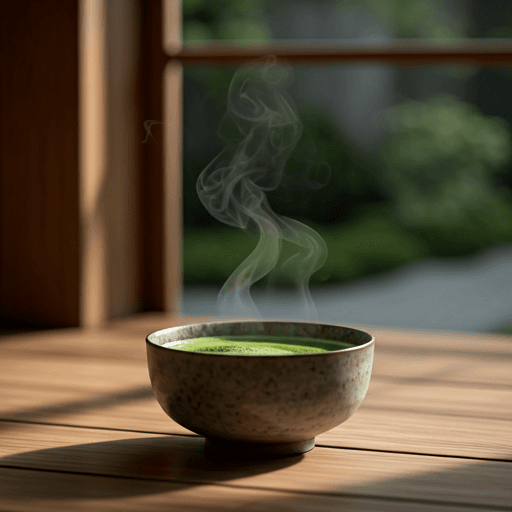
Mao Xie oolong tea — 毛蟹, or "Hairy Crab" — is a brisk, fragrant, ball-rolled oolong from Anxi County in southern Fujian, celebrated as one of the region's Four Famous Cultivars and as its dependable, everyday floral cup. Despite the vivid name, it tastes nothing like seafood: "Hairy Crab" describes the leaf, not the flavor.
What is Mao Xie oolong tea?
Mao Xie oolong tea is a semi-oxidized, tightly rolled oolong made from the Mao Xie cultivar, a tea bush native to the Anxi tea district of southern Fujian, China. It belongs to the family of Anxi green-style oolongs — teas processed to be lightly oxidized (commonly in the region of 15–30% for the modern green style, though traditional lots run higher) and rolled into small, dense, semi-ball pellets that open dramatically as they steep. Alongside Tie Guan Yin, Huang Jin Gui, and Ben Shan, Mao Xie is counted among Anxi's Four Famous Cultivars, and among that quartet it has long been the workhorse: fast-growing, high-yielding, and reliably aromatic, which is exactly why it earned its reputation as an approachable, everyday oolong.
If you already understand the broad category, Mao Xie slots neatly into it as a southern-Fujian expression of the style described in our overview of how oolong tea is made. It shares the rolled shape and floral leaning of its more famous Anxi neighbors but carries its own brisker, greener signature.
Why is it called "Hairy Crab"? The name is about the leaf
This is the single most misunderstood thing about the tea, so it is worth being precise. "Hairy Crab" (毛蟹, máo xiè) is a morphology name — a description of how the leaf looks — not a tasting note. Two features earned it the name:
- Downy hairs (毛, máo): the young leaves and buds are covered in fine, silvery down. These tiny hairs catch the light on the growing bush, and some break off during processing and steeping, occasionally floating on the surface of the brewed cup.
- Serrated, crab-like edges (蟹, xiè): the leaf has a distinctly deep, neat, toothed margin. Growers thought the sharply serrated edge resembled the shell — and the jointed legs — of a Chinese mitten crab, the prized "hairy crab" (大闸蟹) of southern cuisine. A common local flourish adds that as the rolled leaf unfurls in hot water, it splays open like a swimming crab's legs.
So the name braids together the fuzz on the leaf and the saw-toothed leaf edge. There is no crab flavor, no brine, no shellfish note — a point every newcomer to Mao Xie should keep firmly in mind before their first sip.
Anxi County and the Da Ping origin
Mao Xie is a tea of Anxi County, the mountainous heartland of southern Fujian oolong production and a landscape recognized internationally for its centuries-old tea culture. Within Anxi, the cultivar is traditionally traced to Da Ping (Daping) Township — more specifically to the Daqiulun area of Fumei Village — where it grew on the high, rocky slopes long before Tie Guan Yin was widely planted there.
The founding story is often dated to the early 20th century. A widely repeated local account, attributed to a Pingzhou villager named Zhang, places the first deliberate cuttings around 1907 (the Guangxu era of the late Qing): passing through Fumei, he heard of a tea bush that grew unusually fast — one that could be picked only a couple of years after planting — carried home roughly a hundred plants, and set them in his own garden. Because the origin rests on oral history, treat the exact date as "traditionally said" rather than documented fact; what is well established is that Mao Xie was among Da Ping's earliest cultivated varieties, thriving on the region's cool climate, mountain springs, and free-draining rock-and-sand soil. That fast, vigorous growth is central to the tea's identity — high yield and hardiness (it was later noted for frost resistance and recognized among China's national tea cultivars in the 1980s) are what made it an economical, plant-it-and-pick-it oolong for Anxi farmers.
The Four Famous Cultivars of Anxi
To place Mao Xie correctly, it helps to see it beside its Anxi siblings. All four are grown in the same county and often processed the same way, but each comes from a distinct cultivar with its own character. Confusing them is easy; the table below sorts them out.
| Cultivar | Chinese | Signature character | Note |
|---|---|---|---|
| Tie Guan Yin | 铁观音 | Orchid-like, creamy, refined, long finish | The most famous Anxi oolong |
| Huang Jin Gui | 黄金桂 | High, sweet osmanthus florality; early-budding | Golden, aromatic; buds early in spring |
| Ben Shan | 本山 | Close to Tie Guan Yin but brisker, leaner | Often sold as, or mistaken for, Tie Guan Yin |
| Mao Xie | 毛蟹 | Brisk, fragrant, floral-grassy; downy, toothed leaf | Fast-growing, high-yield, everyday cup |
You can dig into the neighbors directly: the sweet, osmanthus-scented Huang Jin Gui oolong and the Tie-Guan-Yin-adjacent Ben Shan oolong are the two Mao Xie is most often shelved alongside. All of them sit within the wider world of Fujian tea, a province that produces oolong, white, and black teas of global renown.
How Mao Xie oolong is made
Mao Xie follows the classic Anxi rolled-oolong process — essentially the same sequence used for Tie Guan Yin, which is one reason the two are frequently compared. In outline, freshly plucked leaves are:
- Withered in sun and then indoors, softening the leaf and beginning to reduce moisture.
- Bruised and rested (tossed or shaken) in repeated cycles, encouraging partial oxidation along the leaf edges and building aroma.
- Fixed (kill-green) with heat to halt oxidation once the target level — a light 15–30% for green-style Anxi oolong — is reached.
- Rolled and dried in the signature repeated cloth-wrapping-and-rolling that compresses the leaf into tight, curled, semi-ball pellets, often with a short stem attached.
Mao Xie growers note that the leaf is unusually dense and forgiving, making it relatively hard to spoil during processing — another mark in its favor as a practical, high-volume tea. Most Mao Xie you will meet is this fresh, jade-green, low-roast style. Because it is an Anxi oolong, it can also be finished with a heavier roast or set aside to age into a deeper, more "traditional" roasted character, though those styles are less common than the bright green everyday version.
Flavor and aroma: brisk, fragrant, floral-grassy
In the cup, Mao Xie leads with aroma. Dry, warmed leaves smell distinctly floral; the infusion is bright and briskly fragrant, with orchid or magnolia florality, a lift of citrus often likened to yuzu, and green-fruit sweetness in the melon-to-peach range. There is frequently a fresh, "buttered greens" quality and a clean, snappy finish. Some batches show a fuller, faintly creamy body — a trait associated with high-mountain Da Ping material and its rocky minerality — while lighter or later-harvest lots can carry a mild grassy astringency, especially if steeped hot and long. That gentle briskness is part of Mao Xie's charm and a point of contrast with the rounder, creamier Tie Guan Yin.
Compared with a heavily oxidized oolong, Mao Xie sits firmly on the fresh, green, aromatic end of the spectrum. If you enjoy its floral-with-a-crisp-edge profile, you may also like other rolled southern-oolong expressions such as the pressed-cake Zhangping Shuixian oolong, another Fujian rolled tea built around fragrance.
An everyday, approachable oolong
Mao Xie's reputation as an "everyday" tea is not a knock on quality — it is a reflection of agronomy. Because the cultivar grows fast, yields generously, and tolerates cold and rough handling, it has historically been abundant and easy to come by, the oolong Anxi households reach for daily rather than reserve for special occasions. For a drinker, that translates into a friendly, aromatic, forgiving cup that rewards casual brewing and repeated infusions without demanding fussy technique. It is an excellent entry point for anyone curious about Anxi oolong who wants the region's signature floral character without the higher stakes of a competition-grade Tie Guan Yin.
How to brew Mao Xie oolong
Rolled oolongs like Mao Xie shine with multiple short infusions, which coax the tight pellets open gradually and reveal how the flavor evolves. Use near-boiling water and expect the leaves to expand several times their dry volume. The table below gives reliable starting points; adjust to taste.
| Method | Leaf : Water | Water temp | Steep time |
|---|---|---|---|
| Gongfu (small pot/gaiwan) | 6–7 g per 100 ml | ~95°C (203°F) | Rinse briefly, then 15–25 s, adding a few seconds each round; 5–8 infusions |
| Western (mug/pot) | 3 g per 250 ml | 90–95°C (194–203°F) | 2–3 min; re-steep 2–3 times, extending slightly |
| Cold brew | 4 g per 500 ml | Cold, refrigerated | 4–8 hours, then strain |
A quick first rinse (a few seconds of hot water, discarded) both warms the leaf and helps it begin to unfurl. If your cup turns grassy or drying, drop the water temperature slightly or shorten the steep — Mao Xie's briskness is best kept in the "lively" range rather than pushed into astringency.
Caffeine in Mao Xie oolong
As a semi-oxidized tea from the Camellia sinensis plant, Mao Xie contains caffeine at levels typical of oolong — generally moderate, sitting between a lightly steeped green tea and a robust black tea, often in the rough range of 30–60 mg per cup depending on leaf quantity, water temperature, and steep length. Because rolled oolongs are usually brewed across several short infusions, caffeine is released gradually rather than all at once. Oolong is also associated in some research with the polyphenols and L-theanine common to all true teas, which may contribute to a calm-but-alert feeling, though these are general associations rather than medical claims. If you are sensitive to caffeine, pregnant, or managing a health condition, moderate your intake and check with a qualified professional.
Choosing and storing Mao Xie
Look for tightly rolled, jade-to-dark-green pellets with a clean, floral aroma and, ideally, some visible fine down on the leaf — a nod to the cultivar's name. Fresh green-style Mao Xie is best enjoyed while young and aromatic; keep it sealed, away from light, heat, moisture, and strong odors, since delicate florality fades with air exposure. Stored well, a pouch will hold its fragrance for many months. Whether you are exploring the full oolong spectrum or simply want a cheerful daily brew, Mao Xie offers a lot of aromatic pleasure for very little fuss — the friendly face of Anxi's famous four.