
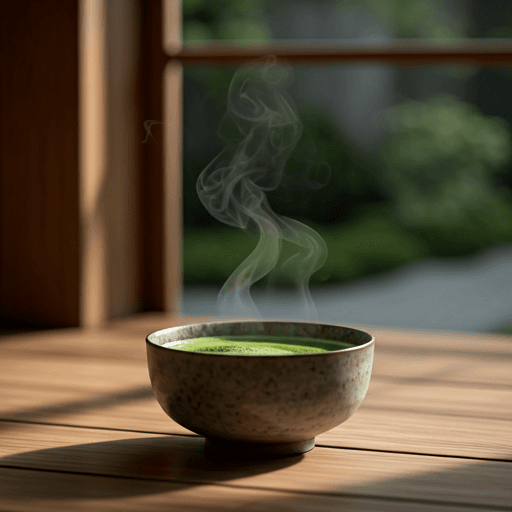
Here is how to make wood sorrel tea in one line: rinse a small handful of fresh, correctly identified wood sorrel leaves, pour just-off-boil water (around 90 to 95 C) over them, cover, and steep for 4 to 6 minutes. The result is a bright, tangy, lemony-fresh, caffeine-free infusion with a clean sherbet-lemon finish, made from the delicate shamrock-shaped leaves of wood sorrel (Oxalis acetosella and related Oxalis species), low woodland and shady-bank plants of Europe, the northern hemisphere and beyond.
Wood sorrel is one of those small woodland plants that walkers have nibbled for centuries, and it makes a lovely, sour-lemon cup. Below you will find what the drink tastes like, how to tell the plant from clover, a simple step-by-step method with amounts, and a light note on the oxalates it shares with spinach, sorrel and rhubarb.
What wood sorrel tea is
Wood sorrel tea is a caffeine-free herbal infusion, or tisane, made by steeping the fresh (or dried) leaves — and sometimes the little flowers — of wood sorrel. Its signature is a crisp, tangy, distinctly lemony sourness, the same sherbet-lemon tang you taste when you nibble a fresh leaf on a walk. That sourness comes from oxalic acid in the leaf, the natural compound that gives sorrel, rhubarb and many leafy greens their bite. Steeped gently, it pours a pale, clean cup that tastes like lemonade made from a leaf rather than a fruit.
If you are new to leaf-and-flower brews in general, the wider how-and-why of caffeine-free infusions is covered in our guide to what herbal tea is, so this article stays focused on the wood sorrel cup itself. In flavour it sits close to other bright, citrusy herbs — if you love the clean lemon note of lemon verbena tea, wood sorrel offers a similar lift but with a rounder, more tart, almost fruity edge.
A woodland plant loved across Europe and beyond
Wood sorrel is a much-loved little plant of shady woods, hedge banks and mossy corners across Europe, the northern hemisphere and beyond. It carries heart-shaped, trifoliate leaves — three soft leaflets on a slender stalk — above which sit cup-shaped flowers, white and delicately veined in the common wood sorrel of Europe, or bright yellow in several other Oxalis species. Because of that clover-like leaf it has long been woven into shamrock folklore, and because of its sharp taste it has long been nibbled by walkers and steeped for a lemony tea. It is sometimes called sourgrass, and a cup brewed from it may be labelled oxalis tea or sourgrass tea.
Wood sorrel is not clover — identify it correctly
This is the one identification point to get right: wood sorrel is not clover. They can look alike at a glance, but wood sorrel has soft, thin, heart-shaped leaflets — each one notched like a valentine — that fold down and close up at night and in rain, and it has a sharp, unmistakably lemony taste. Clover leaflets are usually rounder or oval, often carry a pale crescent mark, and taste green and bland rather than sour. If a leaf tastes lemony and the leaflets are heart-shaped, you almost certainly have wood sorrel; if there is no sour tang, leave it be.
As with any foraged leaf, pick only what you can identify with confidence, gather unsprayed leaves well away from roadsides, paths and anywhere that may be treated with weedkiller, and give everything a good rinse. The same careful, forage-first habit applies to other gathered woodland greens like cleavers tea.
How to make wood sorrel tea, step by step
For one generous cup you will need:
- A small handful of fresh wood sorrel leaves (or about 1 to 2 tsp of dried leaves when fresh are out of season)
- Water at about 90 to 95 C — just off the boil, not a hard rolling boil
- Optional: a little honey to round off the tang
- Optional: a sprig of fresh mint for a cooler, greener note
- Rinse the leaves. Give your fresh wood sorrel a gentle rinse in cool water and shake off the excess. Pick over the handful and discard any tired or discoloured leaflets.
- Add them to your cup or pot. Drop the leaves — and a few flowers, if you have them — straight into a cup, a small teapot or an infuser.
- Pour on the water. Heat water to around 90 to 95 C and pour it over the leaves. A hard, rolling boil dulls the fresh lemon note, so let a fully boiled kettle stand for 30 to 60 seconds first.
- Cover and steep. Put a lid or saucer over the cup to trap the aromatic steam, and steep for 4 to 6 minutes. Taste at 4 minutes: a shorter steep keeps it light and lemony, a longer one deepens the tang.
- Strain and finish. Strain out the leaves, then sweeten lightly with honey if you like, or drop in a mint sprig. Sip it warm, or pour it over ice — it is genuinely lovely cold.
A quick tip: taste a single fresh leaf before you brew. If it is pleasantly sour and lemony, your batch will be too; if it tastes flat or bitter-green, you have the wrong plant, so set it aside.
For the underlying mechanics of temperature, timing and straining across any leaf tea, our guide on how to brew herbal tea goes deeper. The table below sums up the wood sorrel tea recipe at a glance.
| Amount per cup | Water & steep | Note |
|---|---|---|
| Small handful fresh leaves | ~90-95 C, 4-6 min | Brightest, sherbet-lemon flavour |
| 1-2 tsp dried leaves | ~90-95 C, 5-6 min | Milder; handy out of season |
| Leaves plus a few flowers | ~90-95 C, 4 min | Delicate and pretty in the cup |
| Iced: double the leaves | Brew, cool, pour over ice | Crisp, lemonade-like refresher |
Fresh versus dried, and how to store it
Fresh leaves give the brightest, truest lemon flavour, so wood sorrel tea is at its best in spring and early summer when the plant is lush. Fresh leaves are delicate and do not keep — gather them close to when you want to brew, and store any surplus loosely in a lidded container in the fridge for a day or two at most. To hold some for later, dry the leaves in a single layer somewhere warm, airy and out of direct sun until crisp, then keep them in an airtight jar away from light and heat. Dried wood sorrel is milder and a little more muted than fresh, but it still makes a pleasant, tangy cup. Brewed tea is best enjoyed straight away, though a covered jug will keep in the fridge for a day if you are making an iced batch.
Is wood sorrel tea safe to drink?
For most people an occasional cup is a simple pleasure, but there is one sensible caveat. Like spinach, sorrel and rhubarb, wood sorrel contains oxalates — the very oxalic acid that gives it that lemony tang — so it is best enjoyed as an occasional, modest cup rather than in large amounts or every day. People who are prone to kidney stones or gout may want to be especially cautious. Anyone who is pregnant or breastfeeding, or taking any medication, should check with their own healthcare provider first. Responses vary from person to person and none of this is medical advice, so treat wood sorrel tea as a refreshing seasonal drink rather than a remedy, and make no health claims for it. If you sweeten with honey, never give honey to infants under 12 months.
The two rules worth repeating: identify the plant correctly — remember, it is not clover, and the sour lemony taste plus folding heart-shaped leaflets are your confirmation — and keep it an occasional treat. Get those right and you have a bright, foraged, caffeine-free cup that tastes like the woods in spring.