
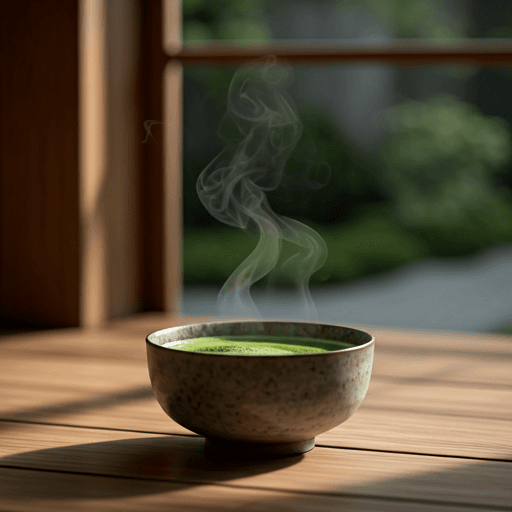
Here is how to make cleavers tea in one line: pack a large mug or jar with a good handful of chopped fresh cleavers (or about 1 to 2 teaspoons of dried herb), cover it with cool water, then leave it to steep for 4 to 8 hours or overnight in the fridge before you strain. The result is a clean, pale-green, caffeine-free drink that tastes softly of cucumber and fresh-cut grass. Because cleavers is so delicate, it is traditionally made as a cold infusion rather than a hot brew, which keeps the cup tasting fresh and green.
Below is the full method: what cleavers tea is and how it tastes, why the cold steep matters, which plant to pick, the ingredient list, ordered steps for both a cold jar and a quick hot cup, and how to store dried cleavers. If caffeine-free plant brews are new to you, our overview of what herbal tea is covers the basics of tisanes, so this guide can stay focused on the plant itself.
What Cleavers Tea Is and How It Tastes
Cleavers tea is a mild, caffeine-free herbal infusion made from cleavers, the sprawling wild herb known to botanists as Galium aparine. It is a familiar plant of hedgerows, field edges, and waste ground across Europe and North America, appearing in a rush of soft green in spring and early summer. A galium aparine tea, then, is simply the young leaves and stems of this plant steeped in water until the liquid turns a pale, fresh green.
The flavour is gentle and clean rather than bold. Most people taste something close to fresh cucumber and cut grass, with a light, green, faintly sweet note and no bitterness when it is made cold and unrushed. It is one of the softest herbal cups you can make, closer to a cool infused water than to a strong tea, which is part of its quiet charm on a warm day.
Cleavers goes by a wonderful tangle of country names, and goosegrass is one of the most common. You may also hear it called sticky-willy, catchweed, grip grass, or sticky weed, so if you meet a recipe for goosegrass tea it is describing this very same plant. Botanically it sits in the bedstraw family (Rubiaceae) alongside, of all things, the coffee plant, though the resemblance ends at the family tree.
The Plant That Sticks to Everything
Cleavers has one unmistakable party trick: it clings. The whole plant, stems, leaves, and little round seed-burrs alike, is covered in tiny hooked hairs that grip onto clothing, fur, and anything brushing past. Walk through a spring hedgerow and you will come home with festoons of it stuck to your sleeves and socks, which is exactly where names like cleavers (from an old word meaning to cling) and sticky-willy come from.
That same hedgerow familiarity gave cleavers a long life as a folk tea across Europe. As one of the first fresh green plants to flush in spring, it was gathered as a simple seasonal cup, a homely wayside brew steeped in cool water and drunk for its clean, green freshness.
Why Cleavers Tea Is Made as a Cold Infusion
The one technique point worth understanding before you start is that cleavers is best treated cold. Its character is delicate and green, and a long steep in cool water draws that out slowly and cleanly, keeping the cup tasting of fresh cucumber and grass. Boiling water, by contrast, tends to flatten and dull those light green notes and can leave the brew tasting stewed and a little grassy in the wrong way. Many people who make cleavers regularly also feel the gentle, cool steep simply suits the plant better than a hard, hot pour.
This is why the classic method is a cold infusion: chopped cleavers left to sit in cool water for several hours, often overnight, until the water turns pale green and lightly flavoured. It asks for patience rather than a kettle. You can make a quick hot cup when you want one, with the steps below, but the cold, slow steep is the traditional way and the one that shows the plant at its freshest.
Which Cleavers to Use (and Picking It Safely)
The best cleavers tea comes from young, tender growth, gathered in spring and early summer before the plant gets stringy and sets its clingy seeds. At that stage the stems and whorled leaves are soft and full of that clean flavour. Snip the upper, leafier portions and leave the tough lower stems and any roots behind.
Correct identification and clean ground matter most. Cleavers is a distinctive plant once you know it: weak, square-ish sprawling stems that scramble over other plants, narrow leaves arranged in star-like whorls of six to eight around the stem, tiny white four-petalled flowers, and that all-over Velcro-like stickiness that no other common weed quite matches. If you cannot confidently name it, do not brew it; check it against a good field guide, ask someone who knows the plant, or use clearly labelled dried cleavers from a trusted herb supplier instead.
Two more practical rules apply to any foraged herb. Gather only from clean, unsprayed ground, well back from busy roadsides, treated lawns, and anywhere dogs and traffic pass. And wash your cleavers thoroughly before brewing, swishing it in a bowl of cool water to shake loose dust, grit, and any insects among the sticky leaves.
Ingredients for a Cleavers Tea Recipe
The whole appeal of this cleavers tea recipe is how little it asks for:
- A good handful of chopped fresh cleavers (leaves and tender stems), or about 1 to 2 teaspoons of dried cleavers, per large mug or jar
- Cool, fresh water, roughly 300 to 400 ml (a large mug or small jar) per serving
- Optional: a slice or squeeze of lemon, a few fresh mint leaves, or a little honey stirred in after straining
- A jar with a lid or a covered jug, plus a strainer or fine sieve
That is the recipe in its plainest form: cleavers, cool water, and time. Everything after is refinement.
How to Make Cleavers Tea, Step by Step (Cold Infusion)
- Wash and chop. Rinse a good handful of fresh cleavers well in cool water, then roughly chop or bruise it so more of the plant meets the water. Chopping matters here, because cold water draws flavour slowly and the extra cut surfaces help.
- Fill the jar. Put the chopped cleavers into a clean jar or jug and pour in cool, fresh water to cover, about 300 to 400 ml for a large mug's worth. If you are using dried cleavers, add 1 to 2 teaspoons instead.
- Cover and steep. Put the lid on the jar and leave it to infuse for 4 to 8 hours, or overnight, in the fridge. The water will gradually turn a pale, fresh green as it takes up the flavour. Chilling it while it steeps also keeps the infusion fresh and food-safe.
- Strain. Pour the infusion through a strainer or fine sieve to catch the leaves and stems, pressing gently.
- Finish and serve. Taste it as it is, then add a squeeze of lemon, a few mint leaves, or a little honey if you like. Serve it cool, straight from the fridge, or poured over ice on a hot day.
The same cover-and-steep patience works for many delicate botanicals; our general guide to how to brew herbal tea covers ratios and timings for other plants if you want to branch out.
A Quick Hot Cup When You Do Not Want to Wait
Cold is classic, but you can make a warm cup in minutes when patience runs short. It tastes a little more grassy and less delicate than the cold version, but it is still a pleasant, mild brew.
- Prepare the herb. Wash and roughly chop a handful of fresh cleavers, or measure 1 to 2 teaspoons of dried cleavers into a mug or infuser.
- Heat the water. Bring fresh water to a boil, then let it settle for about a minute so it drops to just off the boil, roughly 90 to 95 C (195 to 205 F). Cleavers does not want a fierce, rolling pour.
- Steep, covered. Pour the hot water over the cleavers, cover the mug or pot to keep the light aroma in, and steep for 8 to 10 minutes.
- Strain and serve. Strain out the herb, then sweeten or add lemon to taste, and drink it warm.
Use this quick reference to keep the two methods straight:
| Method | Water | Time |
|---|---|---|
| Cold infusion (classic) | Cool, fresh water | 4-8 hours or overnight, chilled |
| Quick hot cup | Just off the boil, 90-95 C (195-205 F) | 8-10 minutes, covered |
How to Store Dried Cleavers
Fresh cleavers is a spring pleasure, but you can dry a batch to brew for months. Spread the washed, roughly chopped plant in a single layer on a tray or screen somewhere warm, dry, and out of direct sun, and leave it until the stems and leaves are brittle and crumble easily, usually several days to a couple of weeks. Once fully dry, store it in an airtight jar or tin away from light, heat, and moisture, with a cool cupboard shelf being ideal.
Kept this way, dried cleavers holds its mild flavour for roughly a year, fading rather than truly spoiling, so older herb simply makes a gentler cup. Label the jar with the date and rotate through it. If the herb ever smells musty, or you see any sign of dampness or mould, discard the batch; when in doubt, throw it out.
A Light Note on Foraging and Wellness
A few plain points keep cleavers tea a simple pleasure. First, sourcing and identification: brew only cleavers you have positively identified, gathered from clean, unsprayed ground away from roadsides and treated areas, and washed well before use. If you cannot confidently name the plant, do not brew it; reach for clearly labelled dried cleavers from a trusted supplier instead. The parts used are the young leaves and tender stems above ground, never the root.
Cleavers has a long, homely place in European hedgerow tea tradition, and it is best enjoyed simply as a mild, refreshing seasonal drink rather than as any kind of remedy. Responses vary from person to person, and this is general information, not medical advice. If you are pregnant or breastfeeding, take any regular medication, or manage a health condition, ask your own healthcare provider before drinking cleavers tea often rather than occasionally. If you sweeten your cup with honey, remember that honey should never be given to infants under 12 months.
If you enjoy soft, green, wayside infusions like this one, two hedgerow cousins are worth a try with the same gentle, steep-and-strain rhythm: the golden, hay-scented cup of goldenrod tea and the aromatic, faintly bitter yarrow tea. With the right plant and a patient cold steep, cleavers is one of the freshest, easiest caffeine-free cups the spring verges have to offer.