
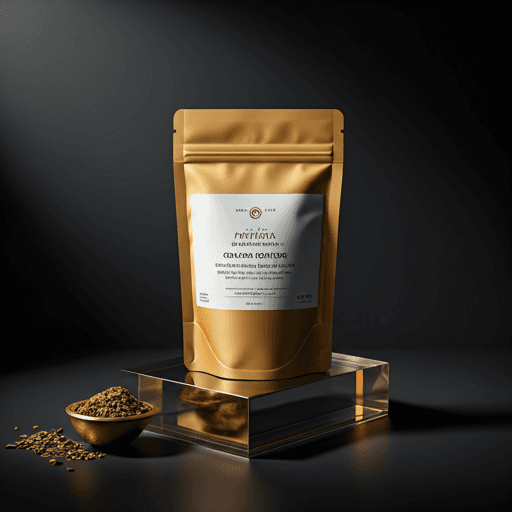
Here is how to make goldenrod tea in a single line: steep the bright yellow flowering tops and leaves of goldenrod (Solidago) — fresh or dried — in just-off-boil water for 5 to 10 minutes, then strain and sweeten to taste. What you get is a mild, slightly sweet, hay-and-anise-scented herbal infusion with a warm golden color, gentle enough to sip on its own or to blend with other garden herbs.
Below is the full method: what goldenrod tea actually is and how it tastes, how to harvest and dry the flowering tops, the short ingredient list, ordered steps with amounts and timings, and how to store what you gather. Because goldenrod is a wild plant, correct identification and a light safety note round things off. If you are new to caffeine-free plant brews, our overview of what herbal tea is covers the basics of tisanes, so this guide can stay focused on the goldenrod itself.
What Goldenrod Tea Is and How It Tastes
Goldenrod tea, sometimes called solidago tea after the plant's botanical name, is a caffeine-free herbal infusion made from the flowering tops and leaves of goldenrod rather than from the tea plant. There are well over a hundred Solidago species, most of them native to North America, each topped in late summer with plumes or sprays of tiny golden flowers. Both the just-opened blossoms and the young leaves go into the cup, which is why you will see it called both goldenrod flower tea and, more loosely, goldenrod herb tea.
The flavor is gentle and easy to like: softly sweet and faintly floral, with a dry, hay-like warmth and a whisper of anise or licorice in the background. Brewed light it is delicate and grassy; steeped longer it deepens into something rounder and more herbaceous. In the cup it pours a clear, warm gold — the color alone makes it feel like a late-summer drink.
The plant carries a long dual heritage. Across Europe it was a familiar garden and meadow herb brewed as a household infusion, while several Native North American nations used their local goldenrod species as a traditional plant tea long before that. Meeting goldenrod as a tea today simply continues both threads.
One myth is worth clearing up, because it keeps people from trying it: goldenrod does not cause hay fever. Its pollen is heavy and sticky, carried from flower to flower by insects rather than by the wind, so it rarely reaches your nose at all. Goldenrod just happens to bloom at the same time, and often in the same fields, as ragweed — a drab, wind-pollinated plant whose airborne pollen is the real culprit. Goldenrod's showy flowers simply take the blame for the sneezing its plain neighbor causes.
Harvesting and Drying the Flowering Tops
If you gather your own, pick goldenrod just as the flowers open — when the plumes are freshly gold and only partly out, before they fade or start to go fluffy and set seed. Clip the top few inches of the flowering stems along with their upper leaves on a dry morning after the dew has lifted. Choose plants growing well back from roadsides, and read the safety section below on identifying the plant and picking from clean, unsprayed ground.
Give your harvest a gentle shake to dislodge insects, and a quick rinse if it is dusty. To dry it, gather the stems into small, loose bundles and hang them upside down somewhere warm, dry, and out of direct sun for one to two weeks, or spread the flowering tops in a single layer on a tray or screen. They are ready when the stems snap and the leaves crumble between your fingers. Once dry, strip the flowers and leaves from the woody stems and you have loose goldenrod ready for the jar. Fresh tops work beautifully too — you simply need a larger handful, since drying concentrates the flavor.
Ingredients for a Goldenrod Tea Recipe
The beauty of this goldenrod tea recipe is how little it asks for:
- Dried goldenrod flowers and leaves (about 1 to 2 teaspoons) or a small handful of fresh flowering tops
- Fresh water, about 200 to 250 ml (roughly one mug) per serving
- Optional: a little honey, a slice or squeeze of lemon, or a few mint leaves
- A strainer, tea infuser, or small teapot
That is the entire recipe in its plainest form: goldenrod, hot water, and a few minutes. Everything after this is refinement.
How to Make Goldenrod Tea, Step by Step
- Heat the water. Bring fresh water to a boil, then let it stand for 30 to 60 seconds so it drops to just off the boil (around 90 to 95 C / 195 to 205 F). Water at a full rolling boil can scorch the delicate flowers and dull the flavor.
- Measure into your vessel. Add about 1 to 2 teaspoons of dried goldenrod, or a small handful of fresh flowering tops, to a mug, infuser, or teapot.
- Pour and cover. Pour the hot water over the goldenrod and cover the cup or pot. Covering traps the gentle aromatics that would otherwise drift off in the steam.
- Steep 5 to 10 minutes. Let it infuse for at least 5 minutes for a light cup, and up to 10 for a stronger, more herbaceous one. Taste toward the shorter end the first time so you learn where you like it.
- Strain. Pour through a strainer or lift out the infuser so the goldenrod does not keep steeping and turn grassy or astringent.
- Sweeten and serve. Taste first — it is mildly sweet on its own — then add a touch of honey, a squeeze of lemon, or a sprig of mint if you like. Drink it hot, or pour it over ice for a golden iced tea.
The same cover-and-steep rhythm works for most flower and leaf infusions; our general guide to how to brew herbal tea applies it to other botanicals. Use the amounts and timings below as your quick reference.
| Goldenrod form | Amount per 200-250 ml | Steep time |
|---|---|---|
| Dried flowers and leaves | 1-2 teaspoons | 5-10 minutes |
| Fresh flowering tops | Small handful (about 2-3 tablespoons) | 5-8 minutes |
Color, Flavor, and a Few Pairings
Goldenrod tea rewards a gentle hand. Kept light, it is clean, softly sweet, and faintly grassy with that hay-and-anise lift; pushed longer, it turns golden-amber and more robustly herbal, at which point a little honey and lemon suit it well. Because its character is so mild, it blends happily with other calm garden herbs — it sits comfortably alongside a mellow cup of chamomile tea, and a small pinch of the more savory, aromatic sage tea adds depth if you want a more herbaceous brew. For iced goldenrod tea, steep it a touch stronger to allow for the melting ice, then strain over a tall glass.
How to Store Dried Goldenrod
Once it is fully dry, keep the flowers and leaves in an airtight jar or tin away from light, heat, and moisture — a cool cupboard shelf is ideal. Stored well, dried goldenrod holds its aroma for roughly a year, fading in fragrance rather than truly spoiling, so older leaves simply make a milder cup. Label the jar with the date and rotate through it. If it ever smells musty, or you see any sign of dampness or mold in the container, discard the batch; when in doubt, throw it out.
Safety: Identify Goldenrod and Start Small
Two practical points keep goldenrod tea a simple pleasure. First, identification: brew only goldenrod you have positively identified as a true Solidago, and gather it from clean, unsprayed ground well away from roadsides and treated lawns. If you cannot confidently name the plant, do not brew it — use clearly labeled dried goldenrod instead.
Second, allergies: goldenrod belongs to the daisy family (Asteraceae), the same broad family as ragweed, chamomile, and marigold. People with a known allergy to ragweed or other Asteraceae plants may react to goldenrod, so if that describes you, start with a small, weak cup and see how you feel before drinking more.
Keep any wellness talk light — enjoy goldenrod tea as a pleasant, golden drink rather than as a remedy. Responses vary from person to person, and this is not medical advice. If you are pregnant or breastfeeding, take any medication, or have kidney concerns, ask your own healthcare provider before adding a new botanical infusion to your routine.
With the right plant and a gentle steep, goldenrod tea is one of the friendliest wild infusions to try — mild, faintly sweet, and the exact warm gold of the meadow it came from.