
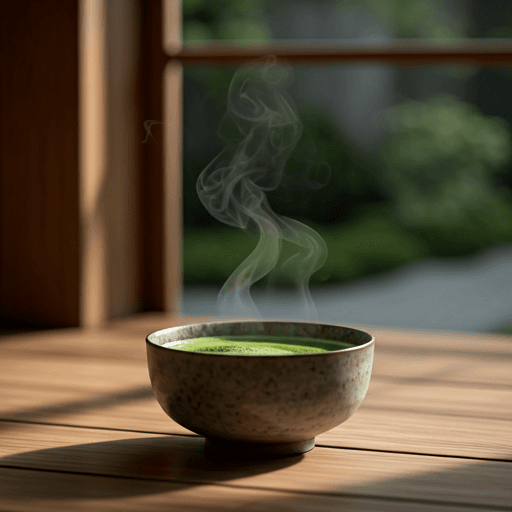
Wondering how to make wild strawberry leaf tea? It is a mild, soft, caffeine-free infusion made by steeping the fresh or fully dried leaves of the wild strawberry (Fragaria vesca) in just-off-boil water for a few minutes. The cup that results is gentle, hay-sweet, and only faintly green and fruity. This is a leaf tisane, not a fruit tea, so it is subtle rather than jammy, and it has long been a free foraged country drink along woodland edges and meadows across Europe and the wider northern hemisphere.
What wild strawberry leaf tea is
Wild strawberry leaf tea is an infusion of the small, three-part, toothed leaves of Fragaria vesca, a low-growing member of the rose family found on woodland edges, banks, and meadows across much of Europe, North America, and northern Asia. The plant is the same species that gives tiny, intensely aromatic alpine or woodland strawberries, but the drink here is made from the leaves rather than the berries.
The flavour is best described as soft and green with a light, hay-like sweetness and only a whisper of the fruit. If you are expecting a bold, sweet strawberry hit, this is not it; strawberry leaf tea is closer in character to a mellow green herbal tea. That gentleness is exactly why it has stayed popular as a foraged tea: the leaves are free, plentiful in season, and forgiving to brew. Country households across Europe and the northern hemisphere have brewed strawberry leaves for generations, sometimes on their own and sometimes blended with a few dried berries, a little mint, or other garden herbs. If you like the idea of a homemade blend, a few dried strawberry pieces dropped into the pot nudge the aroma back toward the fruit without overwhelming the soft leaf base.
The key rule: fresh or fully dried, never half-wilted
Here is the single most important point for a good wild strawberry leaf tea recipe. Rose-family leaves such as strawberry, raspberry, and blackberry should be used either completely fresh or completely, thoroughly dried. Do not use them half-wilted. As these leaves wilt slowly, they can pass through a stage where they develop dull, slightly off, cabbage-like flavours. Leaves that are still bright and fresh, or leaves that have been dried all the way through until they are crisp and crackly, both taste clean. Leaves caught in between do not.
So you have two clean routes. Use the leaves within a few hours of picking while they are still fresh and lively, or spread them out and dry them fully before you brew. Fully drying the leaves, in fact, tends to give the cleanest, roundest flavour, and it lets you keep a jar on the shelf for the months when nothing is growing. Whichever route you choose, just avoid the limp, part-dried middle ground.
Foraging and identifying the leaves
Because this is often a foraged tea, only ever use correctly identified, unsprayed wild strawberry leaves. Fragaria vesca has a leaf divided into three oval leaflets with clearly toothed edges and a slightly silvery, hairy underside; the plant spreads by runners and carries small white five-petalled flowers. It is a common and safe plant, but a few look-alikes exist, such as mock strawberry and some cinquefoils, so if you are not confident, pick from plants you have watched fruit, or use leaves from a garden strawberry patch you know. Gather away from roadsides, sprayed field margins, and paths where dogs pass, choose healthy green leaves, and give them a quick rinse before brewing.
How to make wild strawberry leaf tea
The method is simple and hard to get wrong. Here is what you need for a single mug, easily scaled up for a pot.
Ingredients
- A small handful of fresh wild strawberry leaves, or about 1 to 2 teaspoons of fully dried, crumbled leaves, per cup
- Fresh water heated to about 90 to 95 C (194 to 203 F), just off the boil
- Optional: a little honey to sweeten, or a slice or squeeze of lemon
- Optional: a few dried strawberry pieces for a fuller, fruitier aroma
Step by step
- Rinse the leaves briefly under cool water to remove dust and any small visitors.
- Make sure they are either fresh or fully dried, never half-wilted, then place them in a cup, teapot, or infuser.
- Heat your water and let it settle for a moment off the boil to about 90 to 95 C, so it is hot but not violently boiling.
- Pour the water over the leaves and cover the cup or pot. Covering keeps the gentle aromatics from escaping as steam.
- Steep for 4 to 6 minutes. Shorter gives a very light cup; longer draws out a touch more body and a mild astringency.
- Strain out the leaves, then sweeten lightly with honey or add a little lemon if you like.
- Sip warm, or let it cool and pour over ice for a refreshing iced version.
| Leaf per cup | Water & steep | Note |
|---|---|---|
| Small handful, fresh leaves | 90-95 C, 4-6 min, covered | Bright, lively, lightly green |
| 1-2 tsp, fully dried leaves | 90-95 C, 4-6 min, covered | Cleanest, roundest, hay-sweet flavour |
| Leaves plus a few dried berries | 90-95 C, 5-6 min, covered | Fuller fruit aroma, still soft |
A quick word on tasting as you go: because the leaf is delicate, it is easy to over-brew it into flat bitterness if you leave it much past six minutes or use water at a rolling boil. If your cup ever tastes dull, back off the time or the leaf amount next round rather than adding more.
Drying and storing the leaves
To dry wild strawberry leaves for the pantry, spread them in a single layer on a rack or tray somewhere warm, dry, and out of direct sun, and leave them until they are crisp enough to crumble, usually a few days to a week depending on humidity. You can also use a dehydrator or a very low oven. The goal is fully dry, not partly dry, for the flavour reasons above. Once completely crisp, store the leaves whole or lightly crumbled in an airtight jar away from light and heat, and use within about a year for the best flavour. If you make an iced batch, keep it refrigerated and drink it within a couple of days; when in doubt, throw it out.
How it compares to raspberry and blackberry leaf
Wild strawberry sits in the same rose family as several other classic leaf tisanes, and they all share that fresh-or-fully-dried rule. If you enjoy this cup, it is worth exploring how to make raspberry leaf tea and how to make blackberry leaf tea, which are earthier and a little more tannic than the soft strawberry leaf. The same gentle just-off-boil water and a few minutes of covered steeping suit all three. For the wider picture on steep times, water temperature, and building your own blends, see our guide on how to brew herbal tea and the overview of what herbal tea is.
A light note on taste and wellness
People mostly drink wild strawberry leaf tea, sometimes labelled strawberry leaf tea or fragaria vesca leaf tea, simply because it is a pleasant, gentle, caffeine-free cup to sip in the evening. It carries a long folk history as a homely country tea, but any wellness talk should be kept in perspective: responses vary from person to person, and this is not medical advice. Enjoy it as a nice drink rather than a remedy, and make no claims of it beyond that.
As with any foraged or herbal tea, a couple of sensible cautions apply. Use only correctly identified, unsprayed leaves, keep to the fresh-or-fully-dried leaf, and treat it as an occasional-to-daily pleasure rather than something to drink by the litre. If you are pregnant or breastfeeding, or you take any medication or have a health condition, check with your own healthcare provider before making strawberry-family leaf teas a regular habit. And never give honey to infants under 12 months if you sweeten a cup for sharing.
That is all there is to it. With correctly identified leaves used fresh or fully dried, water just off the boil, and a covered four-to-six-minute steep, a homemade wild strawberry leaf tea recipe gives you a soft, hay-sweet, caffeine-free cup for very little effort.