
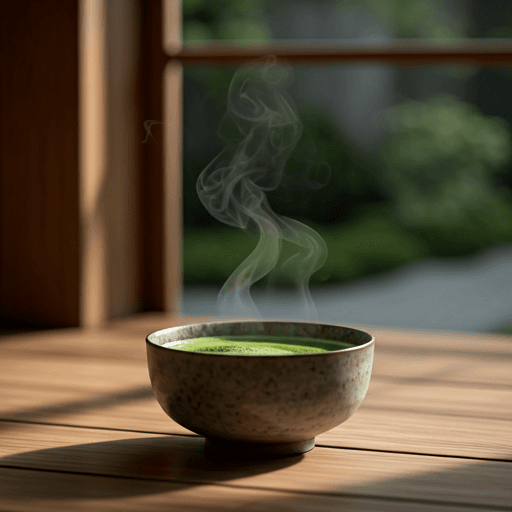
The short version of how to make raspberry leaf tea is simple: steep about 1 to 2 teaspoons of dried red raspberry leaf (from the raspberry bramble, Rubus idaeus) in a cup of just-off-boil water, around 95C, cover the cup, and let it sit for 5 to 10 minutes. Strain, and you have a mild, caffeine-free infusion the colour of pale gold with a soft, green, faintly tannic flavour that tastes surprisingly like a gentle black tea. The rest of this guide covers the leaves to use, exact amounts, a step-by-step method, a berry version for colour, and how to keep your dried leaf fresh.
What raspberry leaf tea actually is
Here is the fact that catches out most first-time drinkers: raspberry leaf tea does not taste of raspberries. It is made from the leaf of the raspberry plant, not the fruit, so there is no berry sweetness at all. Instead you get a clean, grassy, slightly astringent cup that many people compare to a mild black tea with the caffeine taken out. If you have ever brewed a plain unsweetened black tea and let the tannins show a little, red raspberry leaf tea lands in a similar place, only softer and greener.
It is one of the older leaf infusions in the Western herbal cupboard, a long-standing folk tea across Northern Europe and North America, where the raspberry bramble grows wild along hedgerows and field edges. Because it comes from a plant other than the traditional tea bush, it belongs to the broad family of caffeine-free herbal teas, or tisanes. If you want the full picture on what separates a true tea from a herbal one, see our explainer on what herbal tea is.
Which leaves to use
The easiest and most reliable option is dried red raspberry leaf, sold loose or in tea bags wherever herbs and botanicals are stocked. Loose dried leaf gives you the most control over strength; bags are tidy and travel well. Look for leaf that is still a decent green rather than dull brown, which is a good sign of freshness. You will sometimes see the drink written as raspberry leaves tea, plural, since a generous amount of leaf goes into every cup.
You can also use fresh leaves if you grow raspberries or can forage from correctly identified, unsprayed brambles. Only pick from plants you can positively identify as raspberry, well away from roadsides and anything that may have been treated with chemicals, and give the leaves a good rinse first. Fresh leaf makes a lighter, greener cup than dried, and many people find dried leaf gives a rounder, more black-tea-like flavour because drying concentrates it.
Ingredients for a raspberry leaf tea recipe
A single cup of raspberry leaf tea needs almost nothing. This raspberry leaf tea recipe scales cleanly up to a pot, so multiply the leaf by the number of cups you are brewing.
- 1 to 2 teaspoons dried red raspberry leaf per cup (about 240 ml), or a small handful of fresh raspberry leaves (roughly 5 to 8 leaves)
- Water heated to just off the boil, about 95C (203F)
- Optional: a little honey or a squeeze of lemon to round out the tannic edge
- Optional: a few fresh mint leaves, or a few dried berries or hibiscus petals for colour (more on that below)
Start at 1 teaspoon if you like a lighter cup and work up from there. The leaf is forgiving, so adjust to taste over a few brews until you find your strength.
How to make raspberry leaf tea, step by step
Here is the full method for how to make raspberry leaf tea in a single mug or a small pot. It follows the same rhythm as most leaf infusions, so if you brew a lot of botanicals the pattern will feel familiar; our general guide to brewing herbal tea covers the same principles in more depth.
- Measure the leaf. Put 1 to 2 teaspoons of dried raspberry leaf straight into your cup, or into an infuser, strainer basket or teapot. For fresh raspberry leaves, use a small handful and tear them lightly to help them release their flavour.
- Heat the water. Bring water to a boil, then let it settle for about 30 seconds so it drops to roughly 95C. Raspberry leaf is a sturdy leaf and takes near-boiling water well.
- Pour and cover. Pour the hot water over the leaf and cover the cup or pot with a lid or a small saucer. Covering keeps the heat and the aromatic compounds in the cup rather than letting them drift off as steam.
- Steep 5 to 10 minutes. Five minutes gives a light, tea-like cup; closer to ten minutes gives a deeper, more tannic one. Taste it at five minutes and decide how much longer you want to go.
- Strain. Lift out the infuser or pour the tea through a strainer so you are not left with loose leaf in the cup.
- Finish and serve. Stir in honey, lemon or mint if you like, and drink it hot. To serve it iced, brew it a little stronger, let it cool, and pour it over a glass of ice.
Use this quick reference for amounts and timing depending on the leaf you have on hand:
| Leaf form | Amount per cup | Water | Steep |
|---|---|---|---|
| Dried loose leaf | 1-2 tsp | ~95C / 203F | 5-10 min |
| Pre-filled tea bag | 1 bag | ~95C / 203F | 5-8 min |
| Fresh raspberry leaves | small handful (5-8) | ~95C / 203F | 7-10 min |
A leaf-and-berry version for colour
Because the plain leaf brews pale gold, some people like to add a little colour and a hint of fruit aroma. Drop a few dried raspberries, a small spoon of dried hibiscus, or a couple of dried rosehips into the cup along with the raspberry leaves before you pour. The berries tint the water a soft pink-red and add a whisper of tartness, though the base flavour stays leafy rather than jammy. A slice of lemon or a few mint leaves does something similar for a fresher, brighter cup. This is also a friendly trick if you are serving raspberry leaf tea to someone who expects it to taste of fruit, since it softens the surprise.
Storing dried raspberry leaf
Dried leaf keeps best the same way most dried herbs do: in an airtight tin or jar, away from light, heat and moisture. A cupboard shelf is ideal; avoid a sunny windowsill or the warm space above the stove. Kept dry and sealed, dried red raspberry leaf holds good flavour for roughly a year, fading gradually rather than spoiling. If it has lost its green colour and smells of very little, it is past its best and worth replacing. Fresh leaves do not keep, so brew them the same day you pick them.
If you enjoy this mild, green, leaf-forward style of cup, another one worth trying is mulberry leaf tea, which sits in a similar gentle, caffeine-free lane.
A note on safety
Raspberry leaf tea comes up very often in the context of pregnancy, but this is a recipe guide, so we will keep that to a single pointer: anyone who is pregnant, trying to conceive, breastfeeding, or taking any medication should read a dedicated resource and ask their own healthcare provider before drinking it. We cover that topic on its own page about raspberry leaf tea and pregnancy. Responses to any herbal tea vary from person to person, and none of this is medical advice.