
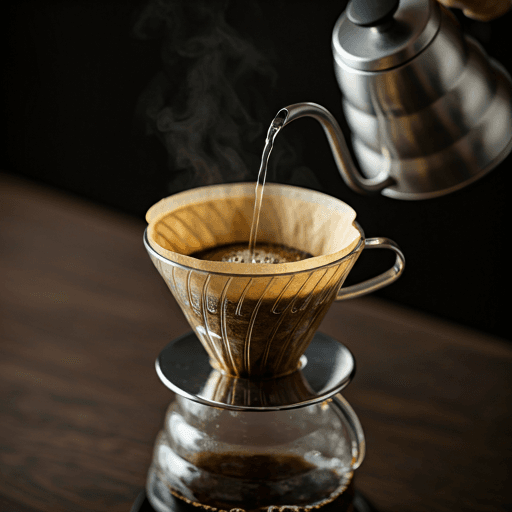
Strong coffee comes down to one thing: a higher ratio of coffee to water. If you want a bolder, more intense cup, the biggest lever is using more grounds, not brewing longer or reaching for a darker roast. This guide covers how to make strong coffee across every brew method, and clears up the difference between strong, bold and bitter so you can dial in exactly the cup you want.
Strong vs bold vs bitter: what "strong" really means
People use "strong" to mean three different things, and mixing them up is why so many attempts to make coffee stronger end in a harsh mug. Getting the vocabulary straight is the fastest way to brew better.
- Strong = concentration. This is how much dissolved coffee is in the water. You raise it by using more grounds per cup. Strong brewed coffee tastes fuller and more intense because there is simply more coffee in it.
- Bold or dark = roast and flavour. A dark roast tastes smoky, roasty and heavy. That is a flavour profile, not a measure of strength. A dark-roast cup can actually be weaker than a light-roast one if you use fewer grounds. See coffee roast levels explained for how roast changes taste.
- Bitter = over-extraction. Bitterness is a flaw, not strength. It happens when you pull too much out of the grounds, usually from grinding too fine, brewing too long or using water that is too hot.
So when you want a bolder cup, you are really after more concentration without tipping into bitterness. Everything below is aimed at that.
How to make strong coffee: the five levers
Work through these in order. The first two do most of the heavy lifting; the rest are for fine-tuning.
- Use more grounds and tighten the ratio. A balanced cup sits around 1:16 to 1:18 (one gram of coffee to sixteen to eighteen grams of water). To make coffee stronger, move toward 1:12 to 1:14 — roughly one to two extra tablespoons of grounds per cup. This is the single most reliable way to get strong coffee, because you are adding coffee rather than punishing the grounds you already have. Exact numbers vary by method and taste, so see our coffee brewing ratios guide to dial yours in.
- Grind a little finer. A finer grind exposes more surface area and extracts more coffee in the same time, which raises strength. Nudge one step finer, not several — go too fine for your method and you cross into bitterness and, in a French press, sludge.
- Choose a concentrated brew method. Some methods are built to deliver a small, intense cup. Espresso is the most concentrated of all — see espresso explained. A moka pot, an AeroPress pushed to a higher dose, a French press at a tight ratio, or a cold brew concentrate all give you strong coffee more easily than a standard drip machine.
- Do not just brew longer or hotter. It is tempting to leave the grounds in longer or crank the temperature to squeeze out more. Past a point, that only extracts bitter compounds, giving you a harsher cup rather than a stronger one. Keep water around 195-205°F (90-96°C) and stick to your method's normal contact time; change the ratio and grind instead.
- Reach for a darker roast only for bolder flavour. A dark roast will taste heavier and more intense — the classic bold coffee profile — which many people read as "strong." It is a fine choice if you like that flavour, but remember it does not actually add concentration. For real strength, you still need more grounds.
Strong coffee by brew method
Every method has its own best route to a bolder cup. Here is where to push and what to watch for.
| Method | How to boost strength | Watch out for |
|---|---|---|
| Drip / pour-over | Add 1-2 tbsp more grounds per cup; tighten toward ~1:14 | Overflowing the filter; uneven soaking if the bed is too deep |
| French press | Use a 1:12-1:14 ratio; steep the usual ~4 minutes | Grinding too fine leaves grit and turns bitter |
| Moka pot | Fill the basket level with a fine-medium grind; low heat | High heat scorches and adds a metallic, burnt edge |
| Espresso | Naturally concentrated; pull a ristretto for even more intensity | Grinding so fine the shot chokes and turns bitter |
| AeroPress | Raise the dose (e.g. 17-20 g) and use a little less water | Very fine grind plus a long steep over-extracts |
| Cold brew | Brew a concentrate at ~1:5-1:8, then dilute to taste | Concentrate is potent - drinking it neat is very intense |
| Instant | Add an extra half-spoon of granules per cup | Too much at once tastes flat and over-roasted |
Troubleshooting: strong but not bitter
If your bolder cup starts tasting harsh, you have gone too far on the wrong lever. A few quick corrections:
- Bitter and dry? You over-extracted. Coarsen the grind a touch, shorten the brew, or drop the water temperature slightly - then add strength back with more grounds.
- Strong but thin or sour? That is under-extraction. Grind a little finer or extend contact time before adding more coffee.
- Muddy or gritty? Common in a French press or moka pot when the grind is too fine. Go one step coarser and lean on the ratio for strength.
- Too intense to drink? Especially with espresso or cold brew concentrate, just add hot water or milk. An Americano is a strong shot lengthened with water - proof that you can brew strong and then dilute to taste.
A simple starting recipe
For reliably strong brewed coffee in a French press: use 30 g of medium-coarse grounds to 360 ml of water (about 1:12), pour water just off the boil (~200°F/93°C), stir, steep four minutes, press slowly and serve straight away so it does not keep extracting. Scale the grams up or down but keep the ratio, and you will get the same strength every time.
Strong coffee is mostly a numbers game: more grounds, the right grind, and a method that concentrates rather than dilutes. Once you can separate real strength from roast and from bitterness, you can build the exact cup you want on any gear. For the fundamentals behind all of this, start with our guide on how to make coffee, then keep adjusting your ratio until it tastes just right.