
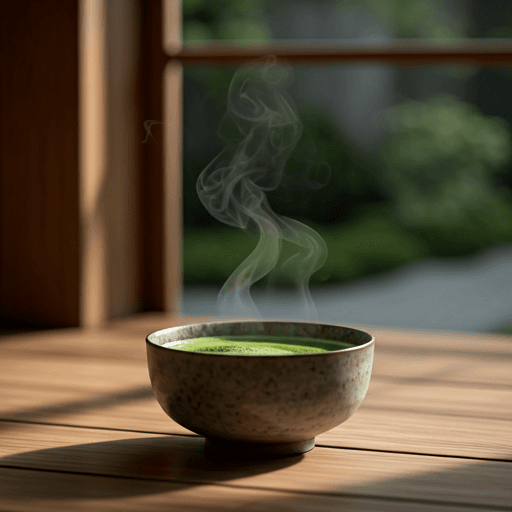
Want to know how to make speedwell tea? Here is the short version: speedwell tea is a mild, green, gently grassy-and-slightly-bitter, caffeine-free infusion made by steeping the small leaves and tiny blue flowers of heath speedwell (Veronica officinalis) in just-off-boil water for a few minutes, then straining. It is one of the classic European wayside herbs, and a covered medium steep is the key to keeping the cup gentle instead of sharp.
Below is a full speedwell tea recipe with amounts, temperatures and times, plus notes on foraging, storage and safety. If loose herbs are new to you, our primer on what herbal tea is covers how tisanes work, so here we can stay focused on speedwell itself.
What speedwell tea is and what it tastes like
Speedwell tea is a herbal infusion (a tisane) made only from a plant, with no true tea leaf and therefore no caffeine. The flavour is light and herbaceous: think fresh-cut grass and green stems, with a faint astringency and a mild bitterness in the finish rather than any real sweetness. That gentle tannic edge is exactly why the herb was once brewed as a stand-in for tea. It sits closer to a delicate, leafy green cup than to a bold, aromatic mint. Because the flavour is subtle, many people round it off with a little honey or a squeeze of lemon, and a few fresh mint leaves lift it nicely too.
The plant behind the cup is heath speedwell, Veronica officinalis — a low, creeping herb with softly hairy leaves and small pale-blue to lilac flowers that grows across European heaths, open woodland and grassland. Heath speedwell tea has a long folk history: the herb was once so popular in Europe that it was sold under the folk name the d'Europe, or Europe's tea, and served as a common country substitute for imported tea leaf. That heritage puts it in the same company as other humble wayside herbs people have brewed for generations, such as yarrow and plantain leaf.
How to make speedwell tea: ingredients and amounts
You do not need special equipment for a speedwell tea recipe — a cup or small teapot, hot water and a strainer will do. Here is what goes into a single mug.
- Speedwell: about 1 to 2 teaspoons of dried heath speedwell (leaves and flowers), or a small loose handful of fresh leaves and flowering tops, per cup.
- Water: roughly 200 to 250 ml, heated to about 90 to 95 C (just off the boil, not a rolling boil).
- Optional: a little honey or a squeeze of lemon to round off the slight bitterness, and a few fresh mint leaves if you like a brighter, greener cup.
Use more herb for a fuller flavour and less if you prefer it delicate. As with most leafy tisanes, the amount of herb and the steep time matter far more than fancy gear. If you want a deeper look at technique across all herbs, see our guide on how to brew herbal tea.
Step by step
- Add the herb. Put the dried speedwell, or the fresh leaves and flowers, into a cup, an infuser or a small teapot.
- Pour. Add water at about 90 to 95 C. Just-off-boil water draws out flavour without scorching the delicate leaves.
- Cover and steep. Cover the cup or pot and let it steep for 4 to 6 minutes. Covering traps the aromatic steam, and a covered medium steep is what keeps the cup gentle rather than harshly bitter.
- Strain. Strain out the herb (or lift out the infuser) so the brew does not keep growing more astringent as it sits.
- Finish and sip. Taste, then sweeten lightly with honey or add a squeeze of lemon if you like, and drink it warm.
If the cup comes out too bitter, use a little less herb or shorten the steep next time; if it tastes thin, add more herb rather than steeping much longer, since a very long steep mostly piles on astringency.
Quick reference
| Speedwell (per cup) | Water and steep | Note |
|---|---|---|
| 1-2 tsp dried leaves and flowers | ~200-250 ml at 90-95 C, covered 4-6 min | Everyday option; milder and keeps year round |
| Small handful fresh flowering tops | ~200-250 ml at 90-95 C, covered 4-6 min | Brightest, greenest flavour, in season |
| Honey or lemon | Add after straining, to taste | Rounds off the slight bitterness |
Fresh vs dried, and storing speedwell
Fresh flowering tops give the brightest, greenest flavour, so if you have access to clean, correctly identified plants, a fresh brew is a treat in the growing season. Dried speedwell is milder and is what most people keep on hand year round. To dry it, spread the leaves and flowers in a single layer somewhere warm, dry and out of direct sun until they are papery and crisp, then store them in a clean, airtight jar away from light, heat and moisture. Dried well and kept sealed, it holds its character for many months; once it loses colour and scent, it is past its best and worth replacing.
Because the flavour is so gentle, speedwell also takes well to blending. A pinch of dried mint, lemon balm or a little dried nettle stretches the flavour without overpowering it, and a strip of lemon peel dropped in for the last minute of the steep brightens the whole cup.
Foraging and identifying heath speedwell
If you gather your own, correct identification comes first. Use heath speedwell (Veronica officinalis) that you can positively identify, and pick from clean ground well away from roadsides, sprayed field edges and areas used by pets. Take only what you need, rinse it before use, and when in doubt about an identification, leave it. Heath speedwell is a low, mat-forming plant with softly hairy stems, oval toothed leaves in opposite pairs and upright spikes of small pale-blue to lilac flowers in early summer, which helps set it apart from the many other speedwells. If foraging is not your thing, dried heath speedwell is stocked by herb suppliers as a loose tea, which takes the guesswork out of it.
Is speedwell tea safe to drink?
For most healthy adults, correctly identified heath speedwell brewed as an occasional cup is treated as a gentle, everyday herbal drink. Keep it that way — an occasional cup rather than large amounts all day long. Any talk of wellness benefits from folk tradition is best taken lightly: responses vary from person to person, and this is general information, not medical advice. Speedwell is a mild herb, not a remedy, and it should not replace anything your doctor has recommended.
As with any botanical tea, a few people should check first. If you are pregnant or breastfeeding, or taking any medication, ask your own healthcare provider before drinking speedwell tea. Stop if you notice any reaction, and remember that Veronica officinalis tea is one herb among many — rotating your cups rather than drinking the same one constantly is a sensible habit. And if you sweeten the cup, never give honey to infants under 12 months.
Final sip
That is really all there is to how to make speedwell tea: a spoon or two of the correctly identified leaves and flowers, water just off the boil, a covered four-to-six-minute steep, a strain, and a light touch of honey or lemon if you fancy it. It is a quiet, green, caffeine-free cup with real history behind it — the old the d'Europe — and it sits comfortably alongside the other wayside-herb brews worth trying at home.