
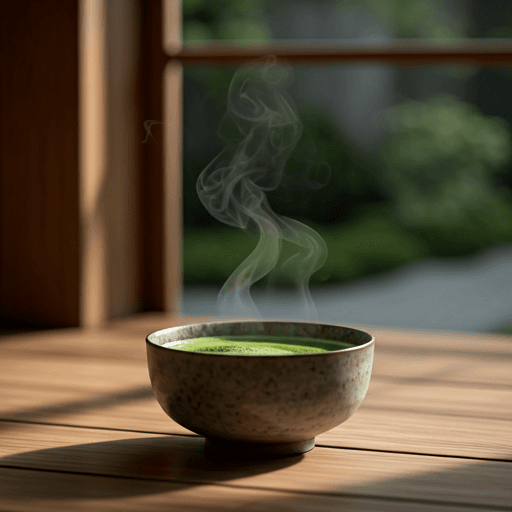
If you want to know how to make sow thistle tea, the short answer is simple: it is a mild, green, gently bitter-and-earthy, caffeine-free infusion made by steeping the young leaves of sow thistle (Sonchus oleraceus and related Sonchus species) in just-off-boil water for a few minutes. Sow thistle is a common edible wayside plant of Europe and much of the world, and its tender young growth has long been brewed as a simple country tea, in the same friendly foraged-greens tradition as dandelion.
Also known as hare's lettuce, sow thistle gives a soft, dandelion-like cup that is best enjoyed lightly sweetened and sipped warm. What follows is a straightforward sow thistle tea recipe along with the one rule that matters most: pick the youngest, most tender leaves you can find, because the older growth and the plant's milky sap turn noticeably more bitter.
What sow thistle tea actually is
Sow thistle tea — occasionally called sonchus tea after the plant's botanical name, Sonchus — is a herbal infusion rather than a true tea. There is no Camellia sinensis leaf in the cup and no caffeine, which puts it in the same broad family as other garden-and-hedgerow brews. If you are new to leaf-and-flower brewing in general, our guide to what herbal tea is covers the basics that apply here too.
The flavor is soft and distinctly green, with a light, dandelion-like bitterness and an earthy, faintly grassy finish. The young leaves are the mildest; as the plant matures, both the older leaves and the milky white sap they release get more bitter. Steeped gently and sweetened with a touch of honey, a cup of young-leaf sow thistle tea is closer to a mellow green-vegetable brew than to anything sharp or medicinal-tasting. Think of it as a close cousin of a dandelion leaf brew or a plantain leaf tea — the same easygoing, foraged-greens character.
A wild green found almost everywhere
Sow thistle is one of the world's most widespread edible wild plants. It springs up in gardens, allotments, field edges, pavement cracks and waste ground across Europe, and has traveled with people to nearly every temperate and subtropical corner of the globe. For centuries its tender young leaves have been eaten raw as a salad green, cooked as a pot herb much like spinach, and steeped as a simple country tea.
The homely name tells its own story. Farmers noticed that pigs and rabbits were fond of the plant, so it became "sow thistle" and, in some regions, "hare's lettuce." That folk history is a useful reminder of what this brew is: an everyday wayside green with a long, unfussy kitchen tradition, not an exotic specialty.
Foraging and identification: pick the right plant
Because sow thistle tea is a foraged brew, correct identification matters more than any brewing tip. Only ever pick a plant you can positively identify, and when in doubt, leave it be. Look for:
- Soft, dandelion-like leaves that are lobed and slightly jagged, but softer and less rigid than a true thistle — any prickles are weak and bendy.
- Leaves that clasp the stem at their base, often with ear-like lobes wrapping around it.
- A harmless milky white sap that oozes from the stem or leaf when it is snapped or torn.
- Small yellow, dandelion-style flowers carried in clusters on a branching, hollow stem.
Gather from clean ground well away from roadsides, sprayed lawns, and industrial edges, and never take from a plant that may have been treated with weedkiller. Take care not to confuse young rosettes with other look-alikes before the tell-tale flowers and milky sap appear; if a young plant does not clearly match, do not use it. Pick only the young, tender leaves from the growing tips, rinse them well, and harvest modestly, leaving plenty behind.
What you will need
- A small handful of young fresh sow thistle leaves per cup (about 250 ml / 8 oz), or roughly 1 to 2 teaspoons of dried leaf if you have dried your own.
- Water at about 90 to 95 C (195 to 205 F) — just off the boil, not a rolling boil.
- Optional: a little honey to soften the bitterness, a squeeze of lemon, or a sprig of fresh mint.
A lidded mug, a small teapot, or an infuser basket all work. Covering the cup while it steeps keeps the delicate aromatics in and gives you a gentler result.
How to make sow thistle tea, step by step
- Rinse the young leaves thoroughly under cool running water to remove any grit or insects.
- Add them to your cup or pot. Tear larger leaves once or twice to help them release their flavor.
- Heat your water to about 90 to 95 C. Boiling-hot water pulls out extra bitterness, so let a fresh boil settle for 30 to 60 seconds first, then pour it over the leaves.
- Cover and steep for 4 to 6 minutes. A covered, medium steep keeps the cup soft — a shorter steep is milder, a longer one more bitter.
- Strain out the leaves and pour the tea into your cup.
- Sweeten lightly if you like — a little honey, a slice of lemon, or a mint sprig all round off the green edge — then sip it warm.
For step-by-step help that applies to almost any leaf brew, our overview of how to brew herbal tea is a handy companion.
Leaf age, bitterness, and steep time
The single biggest factor in your cup is how young the leaves are. Younger growth gives the sweetest, least bitter tea, while older leaves and stems carry more of the sharp, milky-sap bitterness. Use this quick guide:
| Leaf age | Bitterness | Suggested steep |
|---|---|---|
| Young tips & rosette leaves (spring / new growth) | Mild, soft and green | 4 to 5 minutes |
| Mid-age leaves (before flowering) | Moderate, noticeably grassy | 3 to 4 minutes |
| Older leaves & stems (flowering plant) | Sharp and bitter — best avoided | Not recommended for tea |
If a batch comes out too bitter, next time pick younger leaves, shorten the steep, cool the water slightly, or add a little more honey.
Taste, tweaks, and storage
Young-leaf sow thistle tea is best fresh and warm, when its green, dandelion-like character is at its brightest. A few easy tweaks:
- Mint lifts the grassy notes and makes it more refreshing.
- Lemon brightens the cup and lightens the earthiness.
- Honey is the classic softener for any lingering bitterness. (Never give honey to infants under 12 months.)
- Blend it with a milder herb such as mint or lemon balm if you find the flavor too plain on its own.
To store leaves, keep freshly picked sow thistle in the refrigerator wrapped in a damp cloth and use it within a day or two, as the tender leaves wilt quickly. For the longer term, dry the young leaves in a single layer out of direct sun until crisp, then keep them in an airtight jar away from light and heat and use within a few months. Any brewed tea you do not finish can be refrigerated and drunk within a day.
Is sow thistle tea safe to drink?
Treat sow thistle tea as what it is: a foraged edible-greens brew, best enjoyed as a modest, occasional cup made from correctly identified, unsprayed young leaves. The milky white sap is harmless in the small amounts a young-leaf tea contains, but it is also the source of the bitterness, which is one more reason to favor young growth.
Any pleasant, grounding feeling people describe from a warm cup of foraged greens is personal — responses vary, and this is not medical advice. If you are pregnant or breastfeeding, or you take any medication, ask your own healthcare provider before adding a new wild plant to your routine. Introduce any foraged tea slowly, in small amounts, so you can see how it agrees with you, and stop if it does not sit well. Above all, never brew a plant you cannot confidently identify.
With the right leaves and a gentle steep, sow thistle rewards you with one of the easiest, most down-to-earth cups in the whole foraged-greens tradition — humble, green, and genuinely pleasant.