
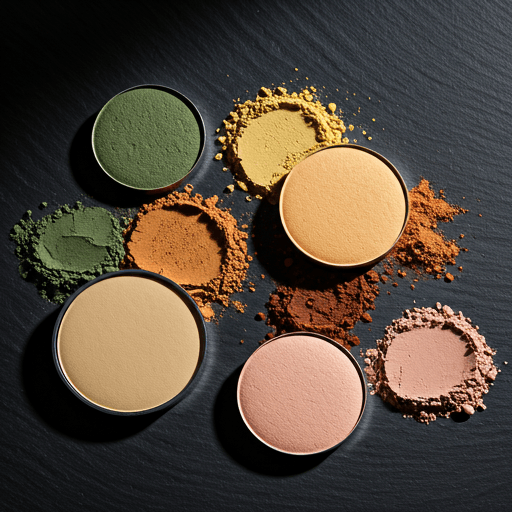
If you want to know how to make slippery elm tea, the short answer is simple: whisk a spoon of slippery elm bark powder into hot water, or steep the cut bark, until it turns into a smooth, slightly thick, faintly sweet cup. Slippery elm tea is a mild, caffeine-free drink made from the inner bark of the slippery elm tree (Ulmus rubra), a North American tree, and it turns soft and silky because the bark releases a gentle mucilage, much the way marshmallow root does.
Below you will find both methods step by step, the amounts to use, a quick at-a-glance table, and a few notes on flavor, texture, and drinking it fresh. If loose botanicals are new to you, our guide to what herbal tea is covers the basics, and how to brew herbal tea walks through general steeping technique.
What Slippery Elm Tea Is
Slippery elm tea is an infusion of the dried inner bark of Ulmus rubra, a medium-sized tree also called red elm that grows across eastern North America. Only the soft inner bark is used, and it comes two ways: ground into a fine, tan slippery elm powder, or cut and shredded into small pieces. Either form makes the same kind of cup.
The flavor is quiet and comforting. Most people describe it as mild and faintly sweet with a warm, oatmeal-like or lightly grainy note, a little like a thin, unsweetened porridge. There is no bitterness and no caffeine at all. What really sets it apart is the texture: a well-made cup is smooth and very slightly thick, soft and almost velvety on the tongue rather than watery. That silkiness is the whole character of the drink, not a sign that anything went wrong.
The bark has a long tradition in North America, where it was brewed as a gentle, soothing drink and food for generations and later became a familiar throat-and-tummy comfort in wider herbal practice. That history is why you still see it as a single tisane and as the backbone of many commercial soothing blends today.
Why Slippery Elm Tea Turns Thick
Here is the key technique point, and it explains everything about how you brew it. The soft, slippery body comes from mucilage, a water-soluble substance the inner bark holds in abundance. When the powder or bark meets hot water, that mucilage dissolves and thickens the liquid into a smooth, gel-soft cup. It is the exact same mechanism that gives marshmallow root tea its signature silky feel, so if you have made that, you already know the character to expect.
Because slippery elm powder is so fine, the practical challenge is lumps. Dropped straight into a full mug of hot water, the powder clumps and the outside of each clump gels before the inside gets wet. The fix is to whisk the powder into a splash of water first, making a smooth paste, and only then top up with more hot water while you keep whisking. If you are using cut bark instead, you skip the whisking entirely: you simply steep the pieces in hot water, covered, and strain them out at the end. Both routes are below.
A Note on Sourcing Slippery Elm Bark
One thoughtful aside before you brew. Slippery elm bark is harvested tree bark, and the trees have faced real pressure over the years, both from disease and from demand for the bark. Because of that, it is worth choosing suppliers who source it responsibly and sustainably, and keeping only what you will realistically use rather than stockpiling. A little goes a long way in the cup, so a small bag lasts a surprisingly long time.
What You Need
- Slippery elm bark, one form or the other — either about 1 to 2 teaspoons of slippery elm powder per cup, or about 1 to 2 teaspoons of cut/shredded bark per cup. Lean toward 2 teaspoons for a fuller, silkier body.
- Hot water — just off the boil, around 90 to 95 C (194 to 203 F), about 250 ml (8 oz) per serving. A rolling boil is not needed.
- A small whisk or fork for the powder method, to break up lumps.
- A mug and a saucer (the saucer works as a lid) plus a fine mesh sieve or tea strainer for the cut-bark method.
- Optional add-ins, stirred in at the end: a little honey, a pinch or small stick of cinnamon, or a small squeeze of lemon.
How to Make Slippery Elm Tea (Powder Method)
This is the fastest slippery elm tea recipe and the one most people use with slippery elm powder. The trick is all in making a paste first.
- Measure the powder. Put 1 to 2 teaspoons of slippery elm powder into your mug. Start with 1 teaspoon your first time so you can judge the thickness.
- Make a smooth paste. Add just a small splash of the hot water, a tablespoon or two, and whisk hard with a small whisk or fork until you have a smooth, lump-free paste. Do not add all the water yet, or it will clump.
- Top up while whisking. Slowly pour in the rest of the hot water while you keep whisking, so the paste loosens evenly into a smooth cup. Around 250 ml (8 oz) total is a good starting pour.
- Sweeten and flavor. Taste it, then stir in a little honey, a pinch of cinnamon, or a small squeeze of lemon if you like.
- Drink it warm. Sip it while it is warm and freshly made, when the texture is at its best.
The Cut-Bark Method
Slippery elm bark tea from cut or shredded bark is even simpler, because there is nothing to whisk. You steep and strain, just like any loose tisane.
- Add the bark. Put 1 to 2 teaspoons of cut/shredded slippery elm bark into a mug or small pot.
- Pour and cover. Pour over just-off-the-boil water, then cover the mug with a saucer to trap the heat and steam.
- Steep 10 to 15 minutes. Give the bark a long, covered steep so it releases plenty of mucilage. The liquid will turn a soft pale color and thicken slightly.
- Strain well. Pour the tea through a fine mesh sieve into your cup, pressing gently on the bark to get the last of the silky liquid, and leave the grit behind.
- Finish and serve. Sweeten or flavor to taste and drink it warm.
Slippery Elm Tea at a Glance
| Form | Method | Note |
|---|---|---|
| Slippery elm powder | Whisk 1-2 tsp into a splash of hot water to a smooth paste, then top up with hot water while whisking | Fastest; no straining, but you must make a paste first to avoid lumps |
| Cut / shredded bark | Steep 1-2 tsp in just-off-boil water, covered, for 10-15 minutes, then strain | Hands-off; needs a fine sieve; gives a clean, smooth cup |
Flavor, Add-Ins, and Drinking It Fresh
Because the base is so mild, slippery elm powder tea and its cut-bark cousin both take gentle partners well. A teaspoon of honey rounds out the faint sweetness, a pinch of cinnamon adds warmth, and a small squeeze of lemon brightens it. Add these at the end so they do not fight the smooth base. Keep in mind that honey is not suitable for infants under one year old.
One practical thing to know: slippery elm tea keeps thickening as it sits, since the mucilage continues to swell. A cup left on the counter can go from silky to noticeably gloopy within a while. For that reason it is best to drink it fairly fresh, soon after you make it, rather than brewing a big batch to sip over the afternoon. If you want the more heat-shy, cold-steeped side of this mucilage family, marshmallow root tea leans on a cool infusion, and for a different earthy, root-based cup with none of the slippery texture, burdock tea is a good one to try next.
A Light Note on Safety
Slippery elm is a gentle, food-grade botanical enjoyed plain by many people, and this uses the inner bark of the tree, in the ordinary amounts above. Because it is soothing and slightly slippery, it is generally suggested to take any other medicines an hour or two apart from your cup rather than at the same moment, since the coating quality may slow how other things are taken up. It is also worth drinking a normal glass of water alongside it. If you take regular medication, or if you are pregnant or breastfeeding, it is sensible to ask your own healthcare provider before making it a habit. Responses vary from person to person, and this is general information, not medical advice.