
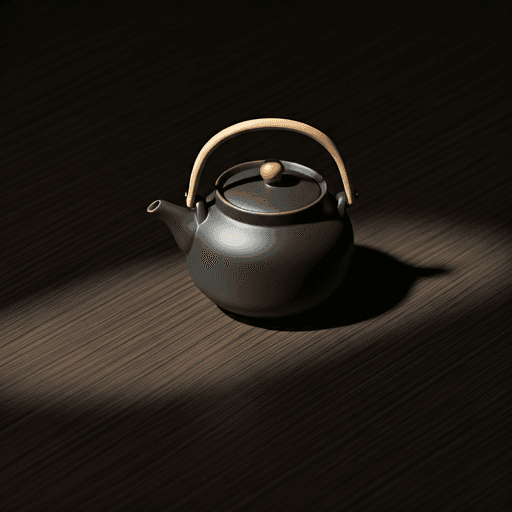
If you want to know how to make silverweed tea, the short answer is simple: steep the silvery, feathery leaves of silverweed (Potentilla anserina) in just-off-boil water for a few minutes, then strain. Silverweed tea is a mild, green, gently astringent, faintly grassy, caffeine-free infusion drawn from a low, creeping rose-family herb that carpets meadows, dunes and damp waysides across Europe and much of the northern hemisphere. It is an easy, quiet cup to make at home, and this guide walks through the leaf, the water, the timing and a couple of small tricks that keep it soft rather than drying.
What silverweed tea is
Silverweed is a hardy wayside plant, named for the pale, silky undersides of its long, toothed, fern-like leaves. It has travelled through folk kitchens for centuries: in lean times its starchy roots were dug, boiled or roasted as a humble food, and its leaves were long gathered for a simple country tea. That heritage is worth knowing because it frames what to expect from the cup. This is not a bold, aromatic brew. It is a soft, leafy, slightly dry infusion with a clean green flavour and a light tannic edge on the finish, closer to a gentle garden herb than a floral or fruity tisane.
Because it is caffeine-free, a cup of silverweed leaf tea sits comfortably at any hour. If you are new to homemade herbal infusions in general and want the wider background on what a tisane actually is and how these brews differ from true tea, the primer on what herbal tea is covers that ground so we can stay focused on silverweed here.
Identify silverweed before you pick
The most important step in any silverweed tea recipe happens before the kettle: correct identification. Use only silverweed you can name with confidence, gathered from clean ground well away from roadsides, sprayed verges and runoff. The plant's giveaway is those silvery, downy leaf undersides against greener tops, growing in a low, spreading rosette with yellow five-petalled flowers typical of the rose family. If you have any doubt about what a plant is, do not brew it. When in season, pick young, healthy leaves, rinse them, and use them fresh or dry them fully for storage. Rose-family leaves are best used either fresh or completely dried, never left half-wilted.
The key to a gentle cup: mind the astringency
Here is the one idea that makes or breaks the brew. Silverweed is a rose-family plant, and like its meadow cousins it is naturally astringent and tannin-rich. Tannins are what give the tea its clean, slightly puckering, dry-green quality, and they build with time in the water. A shorter steep keeps the cup light and gentle; a longer steep pulls more tannin and turns it noticeably drier and more brisk. Neither is wrong, but it pays to steep to your own taste rather than walking away and forgetting the pot.
If your cup lands too dry, two small moves soften it fast: a little honey rounds the edge, and a sprig of mint lifts and cools the finish. This astringent, meadow-herb character puts silverweed in the same family of quiet garden brews as lady's mantle tea and yarrow tea — all of them reward a watchful, shorter steep and a light touch with sweetening. (Never give honey to infants under 12 months.)
What you will need
Amounts are per cup, roughly 200 to 250 ml of water. Scale up evenly for a pot.
- Silverweed leaves — about 1 to 2 teaspoons of dried silverweed leaves, or a small loose handful of correctly identified fresh leaves.
- Water — fresh water heated to about 90 to 95 C (just off the boil), which draws flavour without scorching the leaf.
- Optional — a little honey to soften the finish, a small slice or squeeze of lemon for brightness, and a few leaves of mint if you like a cooler edge.
- Kit — a cup or small teapot, an infuser or strainer, and something to cover the vessel while it steeps.
How to make silverweed tea, step by step
This is the core method — a plain, repeatable Potentilla anserina tea routine you can adjust to taste.
- Place the dried silverweed leaves (or the fresh handful) into your cup, infuser or small pot.
- Pour water at about 90 to 95 C over the leaves until they are fully submerged.
- Cover the cup or pot to hold in the warmth and the delicate aroma.
- Steep for 4 to 6 minutes, tasting toward the shorter end if you prefer a milder, less drying cup.
- Strain out the leaves so the tea does not keep drawing tannin and turn overly dry.
- Sweeten lightly with honey if you like, add lemon or mint to taste, and sip it warm.
Use the quick reference below to dial the strength in. If you want the general theory behind timing, temperature and re-steeping across all your loose herbs, the wider walkthrough on how to brew herbal tea is a useful companion.
| Leaf per cup | Steep time | What you get |
|---|---|---|
| 1 tsp dried (or small handful fresh) | 3 to 4 min | Lightest cup — softly grassy, barely dry |
| 1.5 tsp dried | 4 to 6 min | The everyday balance most people settle on |
| 2 tsp dried | 6 min or more | Deeper, noticeably drier and more tannic |
Blending and storage
Silverweed's mild, leafy profile makes it a friendly base for other meadow and garden herbs. It blends nicely with mint for lift, with a little chamomile for a rounder, softer body, or with lemon balm for a citrus note — start with silverweed as the majority of the blend and add the partner herb a pinch at a time. Kept simple, though, a plain cup is perfectly pleasant on its own.
For storage, dry the leaves completely until they crackle, then keep them in a clean airtight jar away from heat, light and moisture, where they will hold flavour for months. Fresh leaves are best used within a day or two of picking. Any brewed tea you do not finish can be cooled and refrigerated for a short time, but it is at its best freshly made and warm.
A light note on enjoying silverweed tea
Silverweed tea is best treated as a modest, occasional cup rather than an all-day drink, mainly because it is astringent and a lot of strong, tannic brew can feel drying. Keep the leaf and the steep moderate, and let taste be your guide. Any wellness ideas attached to old country herbs should be held lightly: responses vary from person to person, this is not medical advice, and silverweed tea is simply a pleasant infusion, not a remedy. If you are pregnant or breastfeeding, or you take any medication, it is sensible to check with your own healthcare provider before adding a new botanical to your routine. With a clean, correctly identified leaf and an eye on the clock, silverweed makes an unassuming, genuinely enjoyable homemade cup.