
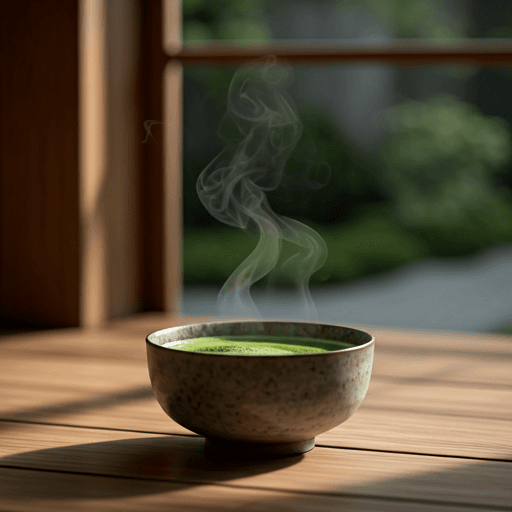
Here is how to make lady's mantle tea in one line: steep about 1 to 2 teaspoons of the dried, pleated, fan-shaped leaves and small yellow-green flowers of lady's mantle (Alchemilla) in just-off-boil water for 4 to 6 minutes, then strain. What you get is a mild, green, gently astringent infusion — faintly grassy and a little bitter, naturally caffeine-free, and pale gold-green in the cup.
Below is the full method: what lady's mantle tea actually is and how it tastes, the one brewing point that matters most with an astringent herb, a short ingredient list, ordered steps with amounts and timings, and how to store what you dry. A light safety note rounds things off. If caffeine-free plant brews are new to you, our overview of what herbal tea is covers the basics of tisanes, so this guide can stay focused on the plant itself.
What Lady's Mantle Tea Is and How It Tastes
Lady's mantle tea, often called alchemilla tea after the plant's botanical name, is a caffeine-free herbal infusion made from the leaves and small flowers of lady's mantle rather than from the tea plant. Alchemilla vulgaris and its many close relatives are low, softly spreading herbs of European meadows, hillsides, mountain pastures, and old cottage gardens, with rounded, pleated leaves shaped like little folded fans and airy sprays of tiny yellow-green flowers in summer. Both the leaves and the flowering tops go into the cup.
The flavor is mild and distinctly green, with a gentle, tannic astringency that leaves the cup a little dry on the finish and a faint grassy bitterness behind it. It is not a sweet or aromatic tea; it is quiet, leafy, and clean, closer in spirit to a light green herb than to a flowery one. Brewed lightly it is soft and grassy; steeped longer it turns drier and more tannic. In the cup it pours a pale, clear gold-green.
Few garden plants carry as much old-world charm. The name Alchemilla, "the little alchemist," comes from the way perfect silver beads of morning dew and rain gather along the rim and folds of its softly pleated leaves — a droplet held so neatly that medieval herbalists prized the collected water. For centuries it was a familiar meadow and cottage-garden herb across Europe, brewed as a plain household infusion, and it still edges many a garden border today. Meeting it as a tea simply continues that long tradition.
The Key to Brewing Lady's Mantle Tea Gently
The single thing worth understanding before you brew is that lady's mantle is tannin-rich and naturally astringent, so steep time is the main lever that decides whether your cup lands gentle or dry. A shorter steep — around 4 minutes — keeps it soft, green, and barely drying. A longer one, toward 6 or 7 minutes, pulls out more tannin and turns the cup noticeably drier and more puckering. Start short the first time and taste your way up, rather than steeping long and hoping.
Two easy tricks soften an astringent cup if you find it too dry. A little honey rounds off the tannic edge and lifts the mild flavor, and a small pinch of mint blended in brings a fresh, cool lift that makes lady's mantle herbal tea far more inviting. A slice or squeeze of lemon works too. None of this is required — plenty of people enjoy the plain, dry green character — but these are the obvious levers if you want it friendlier.
Ingredients for a Lady's Mantle Tea Recipe
The whole appeal of this lady's mantle tea recipe is how little it asks for:
- Dried lady's mantle leaves and flowers, about 1 to 2 teaspoons per cup (or a small handful of fresh leaves and flowering tops)
- Fresh water, about 200 to 250 ml (roughly one mug) per serving, heated to around 90 to 95 C / 195 to 205 F
- Optional: a little honey to soften the astringency
- Optional: a slice or squeeze of lemon, or a few fresh mint leaves
- A strainer, tea infuser, or small teapot
That is the entire recipe in its plainest form: dried herb, hot water, and a few minutes. Everything else is refinement.
How to Make Lady's Mantle Tea, Step by Step
- Heat the water. Bring fresh water to a boil, then let it stand for 30 to 60 seconds so it settles to just off the boil (around 90 to 95 C / 195 to 205 F). Water at a full rolling boil can drag out extra tannin and make the cup harsher than it needs to be.
- Measure into your vessel. Add about 1 to 2 teaspoons of dried lady's mantle — leaves and flowers together — to a mug, infuser, or small teapot. Use a small handful if your herb is fresh, since drying concentrates the flavor.
- Pour and cover. Pour the hot water over the herb and cover the cup or pot. Covering keeps the gentle aromatics from drifting off in the steam and holds the heat steady.
- Steep 4 to 6 minutes. Let it infuse for about 4 minutes for a soft, gentle cup, and up to 6 for a fuller, drier one. Because it is astringent, resist the urge to leave it much longer — a long steep turns it noticeably tannic.
- Strain. Pour through a strainer or lift out the infuser so the herb stops steeping and the cup does not keep drying out.
- Sweeten and serve. Taste first, then add a little honey, a squeeze of lemon, or a sprig of mint if you want to soften the finish. Sip it warm. It also cools nicely over ice — steep it a touch stronger to allow for the melting ice.
That cover-and-steep rhythm is the same one that works for most leaf-and-flower infusions; our general guide to how to brew herbal tea applies it to other botanicals. Use the amounts and timings below as your quick reference.
| Lady's mantle per cup | Steep time | Note |
|---|---|---|
| 1 tsp dried (light cup) | About 4 minutes | Soft, green, barely astringent |
| 1-2 tsp dried (standard) | 4-6 minutes | Balanced, gently drying finish |
| 2 tsp dried or a longer steep | 6-7 minutes | Drier and more tannic — sweeten or add mint |
Blending It with Other Meadow Herbs
Because its character is so mild and green, lady's mantle blends happily with other calm meadow and garden herbs, and it is a natural partner for the same astringent, hay-scented plants of the summer field. A small pinch of yarrow tea adds an aromatic, slightly bitter depth, while the soft, faintly sweet gold of goldenrod tea rounds out lady's mantle's dry edge nicely. Mint remains the easiest single addition if you just want to freshen the cup. Keep any blend simple — one or two companions at most — so the gentle green of the lady's mantle still comes through.
How to Store Dried Lady's Mantle
If you dry your own, gather the leaves and flowering tops on a dry morning after the dew has lifted, from clean, unsprayed ground, then spread them in a single layer or hang them in small loose bundles somewhere warm, dry, and out of direct sun until the leaves crumble and the stems snap. Once fully dry, keep the herb in an airtight jar or tin away from light, heat, and moisture — a cool cupboard shelf is ideal.
Stored well, dried lady's mantle holds its flavor for roughly a year, fading in strength rather than truly spoiling, so older herb simply makes a milder cup. Label the jar with the date and rotate through it. If it ever smells musty, or you see any sign of dampness or mold in the container, discard the batch — when in doubt, throw it out.
Safety: Keep It a Modest, Occasional Cup
Lady's mantle is astringent and carries a long traditional folk association with women's health, so the sensible approach is to enjoy it as a modest, occasional cup rather than something you drink by the potful every day. Use only correctly identified lady's mantle (an Alchemilla species) or clearly labeled dried herb, and gather any wild plant from clean ground well away from roadsides and treated lawns.
Because of that traditional association, lady's mantle is one of the herbs traditionally avoided during pregnancy. If you are pregnant or breastfeeding, take any medication, or have an ongoing health condition, ask your own healthcare provider before adding it — or any new botanical infusion — to your routine. Keep any wellness talk light: enjoy lady's mantle tea as a pleasant, quietly green drink rather than as a remedy. Responses vary from person to person, and this is not medical advice.
With the right plant and a short, gentle steep, lady's mantle tea is one of the more understated pleasures of the herb garden — mild, clean, and the exact soft gold-green of the meadow it came from.