
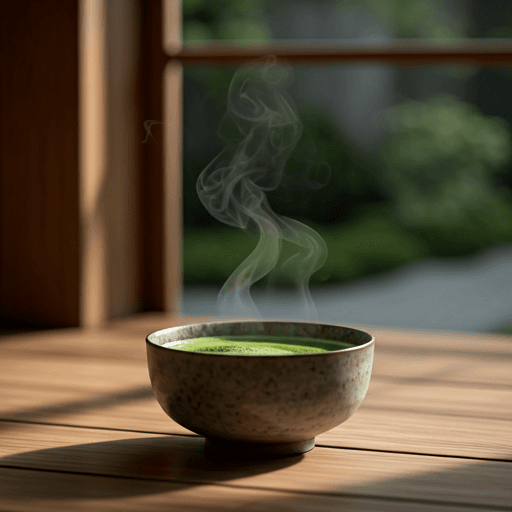
Here is how to make self-heal tea in a single line: steep about 1 to 2 teaspoons of dried self-heal — the leaves and the little violet flower-spikes of Prunella vulgaris — in a cup of just-off-boil water (around 95C / 203F), cover it, and let it sit for 5 to 10 minutes until the liquid turns a pale gold-green. Strain, add a touch of honey or a squeeze of lemon if you like, and sip it warm. That is the whole self heal tea recipe; the sections below simply slow it down and explain each choice.
What Self-Heal Tea Is
Self-heal tea is a mild, caffeine-free infusion of Prunella vulgaris, a low, creeping member of the mint family that spreads through meadows, grassy verges and lawns across Europe, Asia and North America. You may know the plant by its older common names, heal-all and woundwort, and in East Asia its dried flower-spikes are a long-standing tea ingredient known as xia ku cao. Brewed on its own, the cup is gentle and grassy-green, with a slightly sweet, hay-like finish and a soft, earthy edge — closer to a light meadow herb than to anything bold or bitter.
What makes this little plant so charming is its near-worldwide folk heritage. The same low, purple-flowered weed that grows underfoot in a European field, a North American backyard and an East Asian hillside has been dried and steeped as a home tea in all three places, more or less independently. That shared history is a lovely culture fact rather than a health claim: the name self-heal comes from old folklore, not from any promise about what a Prunella vulgaris tea will do for you. If you want the wider background on plant infusions and how they differ from true tea, our guide on what herbal tea actually is covers the basics, so we can keep this page focused on the recipe.
Leaf, Flower-Spike, and Why a Little Lift Helps
The key thing to know before you brew is that both parts of the plant go into the cup. The dried leaves give a soft green, hay-and-grass character, while the small dried flower-spikes — the club-shaped violet heads — carry a touch more depth and a rounder, faintly sweet note. A cup that uses leaf and flower together tends to taste the most complete. Because the whole thing is mild by nature, this heal-all tea takes very well to a lift: a small spoon of honey, a squeeze of lemon, a few leaves of fresh mint, or a pinch of green tea all brighten it without burying its meadow character. If you enjoy gentle, aromatic infusions, the same lifting trick works on other soft herbal cups — see how to make chamomile tea for a comparably delicate example.
Identifying and Sourcing Self-Heal
Because heal-all is a foraged plant, correct identification matters more than anything else. Prunella vulgaris is low-growing, with square stems (the mint-family giveaway), paired oval leaves, and a distinctive club or barrel-shaped flower-spike of two-lipped violet blooms. If you are gathering your own, harvest only from clean, unsprayed ground well away from roadsides, and only when you are completely confident of the plant — when in doubt, leave it. The simplest route is dried self-heal from a reputable herb supplier or tea shop, where it is sold already cleaned, correctly identified and ready to steep. Give any home-dried material a quick look and sniff first: it should smell fresh and green, never musty or dusty.
Ingredients and Amounts
- 1 to 2 teaspoons dried self-heal per cup — leaf and flower-spikes together, if you have both
- 1 cup (about 250 ml / 8 oz) fresh water, heated to roughly 95C / 203F, just off the boil
- Optional: a little honey, or a squeeze of lemon
- Optional: a few fresh mint leaves, or a small pinch of green tea, to blend
One practical note before you sweeten: never give honey to infants under 12 months.
How to Make Self-Heal Tea, Step by Step
- Measure the herb. Put 1 to 2 teaspoons of dried self-heal into a cup, a mug infuser or a small teapot. Use the higher amount for a fuller cup, or if you are working mostly with leaf.
- Heat the water. Bring fresh water almost to a boil, then let it settle for 30 seconds or so to reach roughly 95C / 203F. Fully boiling water works too, but a brief rest keeps the flavour softer.
- Pour and cover. Pour the hot water over the herb and cover the cup or pot with a lid or a small saucer. Covering traps the gentle aromatics that would otherwise drift away as steam.
- Steep 5 to 10 minutes. Let it sit until the liquid turns pale gold-green. Around five minutes gives a light cup; closer to ten draws out more of the earthy, hay-like depth.
- Strain. Strain out the herb, or lift the infuser clear. If a few fine bits slip through, a second pass through a fine strainer sorts it.
- Finish and serve. Taste, then sweeten lightly with honey or brighten with lemon if you like. Sip it warm, or pour it over plenty of ice for a cool, grassy iced tea.
Amounts and Steep Times at a Glance
Use this as a quick reference; adjust the amount and time up or down to suit how strong you like the cup.
| Part of the plant | Amount per cup | Water | Steep or simmer |
|---|---|---|---|
| Dried leaf | 1 tsp | ~95C / 203F | Steep 5-8 min |
| Leaf and flower-spikes | 1-2 tsp | ~95C / 203F | Steep 7-10 min |
| Flower-spikes, stronger cup | 1-2 tsp | Bare simmer | Simmer 10-15 min |
A Stronger Cup: Simmering the Flower-Spikes
If you want something deeper, the dried flower-spikes reward a gentle simmer rather than a plain steep — this is closer to the traditional East Asian way with xia ku cao. Add 1 to 2 teaspoons of dried flower-spikes to a small pot of water, bring it up to a bare simmer, and hold it there for 10 to 15 minutes before straining. The result is darker, earthier and fuller-bodied than a five-minute infusion. Keep the heat low, though; a hard, rolling boil tends to turn the cup flat and overly grassy. For another herb that rewards slower, more deliberate extraction, compare notes with how to make schisandra tea.
Storing Dried Self-Heal
Dried self-heal keeps like any other dried herb: store it in an airtight jar or tin, away from light, heat and moisture, and it will hold its colour and gentle aroma for up to about a year. A cool, dark cupboard is ideal; a clear jar on a sunny shelf is the quickest way to fade both flavour and colour. Brewed tea is best enjoyed fresh, but a covered jug will keep in the fridge for a day or two if you like to brew a batch to drink cold. For more on getting the most out of any dried botanical, our overview of how to brew herbal tea goes deeper on water temperature, timing and ratios.
A Light Safety Note
Self-heal has a long folk history, but the name is folklore, not a promise — treat the tea as a pleasant, occasional cup rather than a remedy, and set aside any idea of it fixing colds, sore throats or anything else. Responses to herbs vary from person to person, and this is not medical advice. As with any botanical tea, if you are pregnant or breastfeeding, or taking any medication, it is worth checking with your own healthcare provider before making it a regular habit. Use correctly identified self-heal, keep your portions modest, and enjoy the drink for exactly what it is: a soft, grassy, gold-green cup with a quietly worldwide story.