
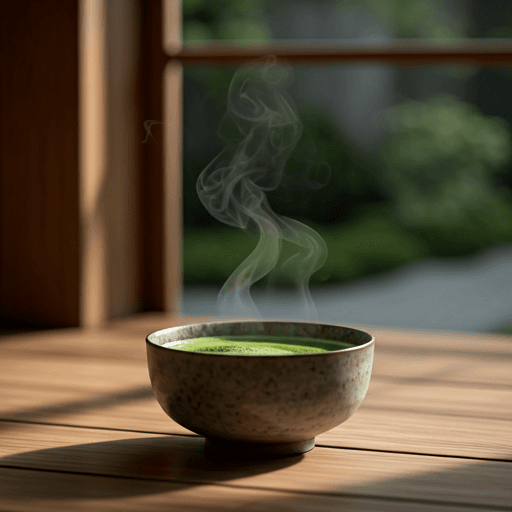
The short answer to how to make schisandra tea is this: steep dried schisandra berries (Schisandra chinensis) in water, using one of two routes — a cold overnight soak in the fridge for a bright, ruby, tart-forward infusion, or a short, gentle simmer on the stove to draw out more depth. Then strain, sweeten to taste, and it is almost always served cold. What makes the drink so memorable is its nickname: the "five-flavor berry," because a single sip can register sour, sweet, salty, bitter and pungent all at once.
What schisandra tea is (and its five-flavor reputation)
Schisandra tea is a fruit infusion made from the small red berries of a woody climbing vine that grows across parts of northeast Asia. It contains no leaves from the Camellia sinensis plant, so it is a caffeine-free herbal brew rather than true tea; for the wider picture of how fruit-and-botanical steeps differ from tea proper, see our guide to what is herbal tea.
The berry's fame comes from its taste, which is genuinely unusual. In Chinese it is called wu wei zi, meaning "five-flavor berry," and that name is not marketing — a good cup really can taste tart and sour up front, faintly sweet and salty underneath, and bitter or pungent on the finish. The balance shifts depending on how you brew it: a cold soak leans sour and bright, while a warm simmer coaxes out rounder, deeper, slightly resinous notes.
The drink has deep roots in East Asian food culture. In Korea it is known as omija (literally "five-flavor berry"), and omija-cha — a chilled, sweetened schisandra infusion, often a jewel-toned magenta pink-red — is a classic served at teahouses and in summer. In China the berries turn up in traditional tonic drinks and cooking. Whichever tradition you draw on, the everyday version is simple: berries, water, a little sweetener, served cold.
The two routes: cold brew vs a warm simmer
There are two reliable ways to make the drink, and they give noticeably different cups.
- Cold brew (overnight soak). Steeping the berries in cold water in the fridge for several hours pulls out a clear, bright, ruby-red liquid that is tart-forward and refreshing. This is the traditional route behind most versions of omija-cha, and it is the gentlest way to treat the fruit — nothing is heated, so the flavor stays clean and vivid and the bitterness stays low.
- Warm simmer (short and gentle). A brief, low simmer draws out more body and a deeper, more bitter-pungent character, and it is quicker if you do not want to wait overnight. The key word is short: schisandra turns harsh and unpleasantly bitter when it is cooked hot for long, so keep the heat low and the time brief. If you want the mildest, sweetest cup, choose the cold soak.
Both methods finish the same way — strain, sweeten, chill, and pour over ice. The general knack of coaxing flavor out of dried botanicals without stewing them is covered in our guide to how to brew herbal tea.
How to make schisandra tea, step by step
This schisandra tea recipe needs little more than dried berries and water. Everything after the first two rows is optional. The amounts below make roughly 500 ml (about 2 cups); scale up freely.
| Ingredient | Amount | Note |
|---|---|---|
| Dried schisandra berries | 2 tablespoons (about 15-20 g) | The only essential ingredient; rinse before use |
| Water | 500 ml (about 2 cups) | Cold for soaking, or fresh for simmering |
| Honey or sugar | To taste | Stir in after brewing; the berries alone are quite tart |
| Fresh ginger, optional | 1-2 thin slices | Warming; nice in the simmered version |
| Dried goji berries, optional | 1 teaspoon | Adds gentle sweetness and body |
Here is how the two methods compare at a glance before you start:
| Method | Ratio | Time |
|---|---|---|
| Cold soak (fridge) | 2 tbsp berries : 500 ml cold water | 8-24 hours (overnight) |
| Warm simmer (low heat) | 2 tbsp berries : 500 ml water | 5-10 minutes, then cool |
Cold-brew method (overnight)
- Rinse the berries. Tip about 2 tablespoons of dried schisandra berries into a small sieve and rinse briefly under cool running water to wash off any dust.
- Cover with cold water. Add the rinsed berries to a jar or pitcher and pour on about 500 ml of cold water. Give it a stir.
- Refrigerate 8 to 24 hours. Cover and leave it in the fridge overnight, or up to a full day for a deeper, sweeter brew. The water will slowly turn a deep, clear ruby-red and take on that signature tart, five-note character while the bitterness stays gentle. For how steep length changes an infusion, see how long to steep tea.
- Strain and sweeten. Pour the liquid through a fine sieve to remove the berries. Stir in honey or sugar to taste — the plain infusion is very tart, so most people sweeten it noticeably.
- Serve cold. Pour over plenty of ice. A splash of extra cold water is fine if the concentrate tastes too intense.
Warm-simmer method (quicker)
- Rinse the berries. Same as above — a quick rinse of about 2 tablespoons of berries.
- Add to a pot with water. Combine the berries with 500 ml of water in a small saucepan, along with a slice of ginger or a few goji berries if you like.
- Bring to a bare simmer, then keep it low. Warm it until small bubbles just start, then drop the heat right down. Let it simmer gently for only 5 to 10 minutes. Do not hard-boil it for long — extended, hot cooking pulls out too much bitterness and makes the cup harsh.
- Cool, strain and sweeten. Take it off the heat, let it cool, strain out the berries, and stir in honey or sugar to taste.
- Chill and serve over ice. Refrigerate until cold. Like most fruit infusions, schisandra tastes best well chilled, since cold mutes the sharper edges.
Whichever route you choose, remember the two rules that keep the drink pleasant: sweeten it (the berries are genuinely tart on their own) and keep any heat brief and low rather than boiling hard.
Variations to try
Schisandra takes well to a few pantry partners that round out its sourness.
- Schisandra and ginger. A slice or two of fresh ginger simmered briefly with the berries adds warmth and a little spice — good in cooler weather.
- Schisandra and goji. A teaspoon of dried goji berries lends a gentle, honeyed sweetness that softens the tart edge. If you enjoy that style of fruit brew, our guide to how to make goji berry tea walks through it on its own.
- Sparkling five-flavor cooler. Make a strong cold-brew concentrate, sweeten it, then top with sparkling water and ice for a fizzy, ruby summer drink in the spirit of omija-cha.
- Honey-forward and cold. Because the berry is so sour, many people treat schisandra almost like a fruit cordial — sweetened generously and served long over ice.
How to store dried schisandra berries
Dried schisandra berries keep well when you protect them from air, heat and moisture. Transfer them to an airtight jar or a resealable bag and store them somewhere cool, dark and dry, such as a pantry or cupboard, where they will stay good for many months. In a humid kitchen, a food-safe silica packet tucked into the jar helps stop them clumping, and keeping them in the refrigerator or freezer extends their life further. If the berries smell off, feel sticky, or show any sign of mould, let them go — when in doubt, throw it out. Brewed schisandra tea should be kept covered in the fridge and is best drunk within two or three days.
Is schisandra tea safe to drink?
For most people, schisandra is used as a food and as a traditional tonic drink, and an occasional sweetened, chilled cup is simply a pleasant, unusual beverage. The part you use is the ripe dried fruit. That said, responses vary from person to person, and the notes below are general information rather than medical advice.
The main thing worth knowing is that schisandra can interact with some medications, because it may affect how the body processes certain drugs, including some that are broken down by the liver. For that reason, anyone taking prescription medicine — or who is pregnant or breastfeeding — should ask their own doctor or pharmacist before drinking schisandra tea regularly, rather than making it a daily habit unchecked. If it does not sit well with you, or you notice any discomfort, simply stop.
Beyond those sensible cautions, keep the framing light: enjoy schisandra tea for what it is — a tart, ruby, genuinely five-flavored refresher with a long history behind it — rather than as a remedy for anything.