
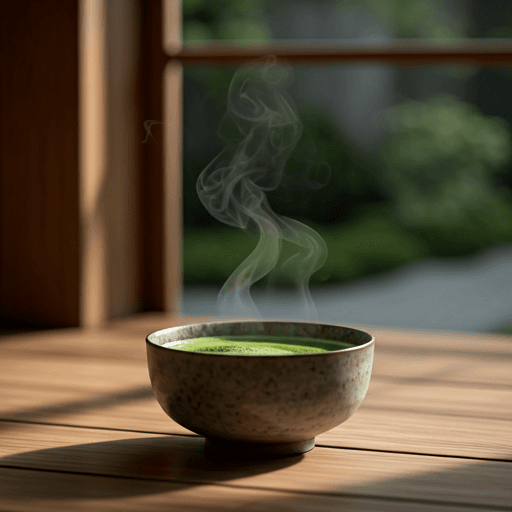
The simplest way to learn how to make quince tea is to remember there are two easy routes. Either simmer or steep thin slices of fresh, fragrant quince (Cydonia oblonga) in hot water until it turns pale rose-gold and smells floral and tart, or stir a spoonful of quince-and-honey preserve into a mug of hot water. Both give a soft, apple-pear-floral, gently sour cup you can serve steaming in cold weather or poured over ice when the day is warm.
What quince tea is
Quince is a knobbly, golden autumn fruit that looks like a lumpy cross between an apple and a pear and perfumes an entire room as it ripens. Raw, it is famously hard, dry and astringent, so it is a fruit you cook rather than one you bite into. Warmed in water, though, it gives up a honeyed, apple-pear aroma with a clean floral sourness, and that is exactly what makes a cup of quince tea so soothing on a cold afternoon.
In Korea this drink is a cherished winter cup called mogwa cha, traditionally made by layering thinly sliced quince with honey or sugar into a fragrant preserve that is later spooned into hot water. Around the Mediterranean and across the Persian world, quince has been simmered, candied and steeped for centuries, prized for both its scent and its warmth. Because quince tea is technically a fruit tisane rather than true leaf tea, you can treat it like any other botanical infusion; for the wider background, see our overview of what herbal tea is.
The two ways to make quince tea
The fresh-slice route is the one to reach for when you have a ripe quince or two on the counter and want a cup today. You simply slice the fruit thin and coax its aroma out in hot water. It is quick, clean-tasting and low on sweetness unless you add some.
The honey-preserve route is the make-ahead classic, and it is the heart of a good quince honey tea. Here you layer sliced quince with honey or sugar, let it rest until it turns syrupy, and keep the jar in the fridge so a warming drink is only a spoonful away. This is the mogwa cha approach, and the preserve itself doubles as a topping for yogurt or toast.
Ingredients and amounts
This quince tea recipe keeps the shopping list short, and it works with either fresh fruit or a ready-made preserve. For a single pot of the fresh version (roughly two cups), you will want:
- 1 small ripe quince, washed well (the fuzzy skin can stay on)
- 250-500 ml water (about 1 to 2 cups), depending on how concentrated you like it
- Honey or sugar to taste, usually 1 to 2 teaspoons per cup, added after steeping
- Optional aromatics: a couple of thin slices of fresh ginger, a small piece of cinnamon, or a squeeze of lemon
For the preserve, you need roughly equal weights of sliced quince and honey or sugar — for example 300 g fruit to 300 g sweetener — plus a clean jar. To serve, use 1 to 2 tablespoons of preserve per mug of hot water.
How to make quince tea the fresh-slice way
- Wash and prep. Rub the quince clean under running water to remove its natural fuzz. Quarter it, cut out the hard core and seeds, and slice the flesh thin so it releases its aroma quickly. Discard the core and seeds — you never want to crush the seeds into the pot.
- Simmer or steep. Add the slices to a small pot with 250-500 ml water. For a fuller cup, bring it to a gentle simmer and cook 10 to 15 minutes until the water turns pale rose-gold and floral. For a lighter, brighter cup, pour just-boiled water over the slices in a mug or teapot and steep 10 to 12 minutes, covered.
- Strain. Pour the liquid off the fruit through a strainer. The softened slices can be eaten, added back to the cup, or saved to stir into oatmeal.
- Sweeten and flavor. Stir in honey or sugar to taste while the liquid is still hot, and add a slice of ginger, a little cinnamon or a squeeze of lemon if you like a spicier or brighter cup.
- Serve. Drink it hot, or let it cool and pour over ice. If you want to fine-tune infusion time and temperature for fruit tisanes in general, our notes on how to brew herbal tea carry over neatly here.
How to make quince honey tea from a preserve
- Slice. Wash, core and thinly slice the quince as above, discarding the core and seeds.
- Layer. In a clean, dry jar, alternate layers of quince slices with honey or sugar, using roughly equal weights of fruit and sweetener and finishing with a layer of sweetener on top so the fruit is well covered.
- Rest. Seal and leave it at room temperature for a few hours to a day, then move it to the fridge. Over a day or two the sugar draws the juice out and the whole thing turns into a fragrant, spoonable syrup with soft slices suspended in it.
- Serve. Spoon 1 to 2 tablespoons of preserve, along with a slice or two of the fruit, into a mug and top with hot water. Stir, taste and add more preserve if you want it sweeter. Over ice with cold water and a splash of lemon, the same spoonful becomes a refreshing summer drink.
Fresh route vs preserve route at a glance
| Route | Prep | Note |
|---|---|---|
| Fresh slices | Wash, core and thinly slice; simmer 10-15 min or steep 10-12 min in 250-500 ml water; strain and sweeten | Ready in one sitting; cleaner, lighter, more floral; sweeten to taste |
| Honey preserve (mogwa cha) | Layer sliced quince with equal-weight honey or sugar; rest, then chill until syrupy; spoon 1-2 tbsp into hot water | Make-ahead; richer and sweeter; the jar doubles as a spread and keeps for weeks refrigerated |
Hot or iced, and how to store it
Quince tea is lovely both ways. Served hot, its honeyed steam is the whole point of a cold-weather cup. Over ice, the fresh-slice version is crisp and thirst-quenching, and the preserve version becomes a homemade quince-ade when you top it with cold water and a little lemon. Brewed fresh tea keeps for a day or two in the fridge; the honey preserve keeps much longer, generally several weeks refrigerated in a clean, sealed jar — always use a clean, dry spoon, and when in doubt about a jar that smells off or shows any fuzz, throw it out.
Quince also plays well with other tart, autumnal fruits. If you enjoy this cup, you might like the ruby, sweet-sour character of pomegranate tea or the softer, orchard-fruit note of hawthorn tea, both made much the same gentle way.
A light note on quince and safety
Quince is an everyday cooked fruit that has been enjoyed for a very long time, and a warm cup is simply a pleasant, aromatic drink. Any comfort you take from it is best kept in that spirit — responses vary from person to person, and this is not medical advice. The one practical point worth remembering is that quince seeds should not be crushed, chewed or steeped; use only the fragrant flesh and always core the fruit and discard the seeds before brewing. As with any botanical, anyone who is pregnant or breastfeeding, or taking regular medication, and who wants to drink quince tea often should check with their own healthcare provider first.