
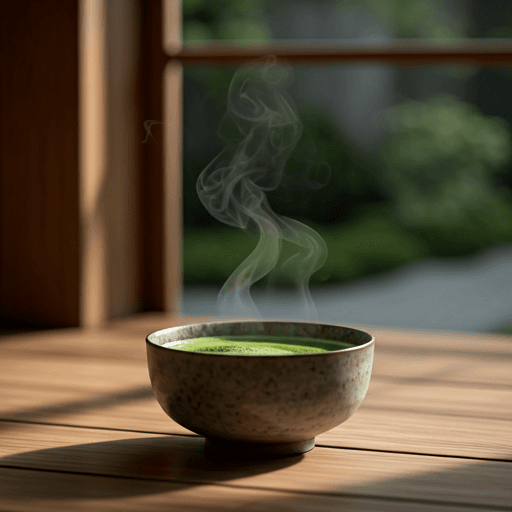
If you want to know how to make pineapple tea, the short answer is simple: gently simmer fresh pineapple pieces — and, for a low-waste version, the washed skin and core — in water with a little cinnamon and ginger, then strain and serve it hot or over ice. Pineapple tea is a bright, sweet-tart, tropical, caffeine-free drink, and the hot water pulls a fragrant pineapple-and-spice flavour out of even the peel that most people throw away. Below is a full pineapple tea recipe, along with the trick to turning leftover skin into a cup rather than compost.
What pineapple tea is (and how it tastes)
Pineapple tea is not brewed from tea leaves at all. Like most fruit and herbal infusions, it is a tisane — a drink made by steeping or gently simmering plant material in hot water. If tisanes are new to you, our overview of what herbal tea is covers the groundwork; here we will stay focused on the fruit. The flavour is exactly what you would hope for: juicy, sunny and sweet-tart, with the honeyed edge of ripe pineapple rounded off by warm spice. A cinnamon stick and a slice of ginger turn plain fruit water into something that smells like a warm kitchen on a bright morning.
The idea has deep, thrifty roots in tropical and Latin American home cooking, where the whole pineapple — flesh, core and skin — has long been put to use rather than trimmed and binned. Simmered pineapple skin becomes the base for a gently sweet, spiced drink: a friendly, non-alcoholic cousin of the fermented pineapple-skin beverages made across the warmer regions of the Americas. In other words, pineapple peel tea began as a way to coax one more good thing out of a fruit you had already eaten. It sits comfortably beside other whole-fruit infusions, such as orange peel tea and the ruby, tart brightness of hibiscus tea.
The key prep step: wash the fruit well
Because the best pineapple skin tea uses the peel, the single most important step is to wash the whole pineapple thoroughly before you cut into it. Give it a firm scrub under running water, crown and base included, and prefer clean, unsprayed fruit wherever you can — the skin is going into your cup, so you want it as clean as possible. Pat it dry, then slice off the peel and cut out the fibrous core; both of these usually head for the bin, and both are exactly what you want here.
Keep the aromatics simple. A cinnamon stick and a coin of fresh ginger are the classic pairing, and a clove or two adds a little extra depth without taking over. Sweetening is optional and best done at the end, once you can taste how sweet the fruit itself already is.
Ingredients for pineapple tea
This makes roughly four cups. Amounts are forgiving, so treat them as a starting point rather than a rule.
- The washed skin and core of 1 ripe pineapple — or about 2 cups (roughly 300 g) of fresh pineapple chunks
- 4 to 5 cups (about 1 to 1.2 litres) water
- 1 cinnamon stick
- 1 slice (about 2 cm) fresh ginger, optional
- 1 to 2 whole cloves, optional
- Honey or a little sugar, to taste
How to make pineapple tea, step by step
Here is the core method. It works whether you are using the peel and core, fresh chunks, or a mix of all three.
- Wash the pineapple. Scrub the whole fruit under running water before cutting, since you will be simmering the skin.
- Prep your pieces. Slice off the peel and cut out the core, or chop the flesh into rough chunks — whatever you are using goes into the pot.
- Combine with water and spice. Add the pineapple pieces, water, cinnamon stick, ginger and any cloves to a saucepan.
- Simmer gently. Bring it to a boil, then lower the heat and simmer for 15 to 20 minutes, until the liquid is fragrant and has turned a warm, golden colour. Keep it at a gentle simmer rather than a hard boil so the flavour stays clean and rounded.
- Strain. Pour the tea through a fine sieve into a jug or teapot, pressing the fruit lightly to release the last of the juice.
- Sweeten lightly. Taste first — ripe pineapple is often sweet enough on its own — then add honey or a little sugar only if you want it.
- Serve. Enjoy it hot, or cool it and pour over plenty of ice for a chilled version.
Part used, at a glance
Different parts of the pineapple bring slightly different things to the cup. Use this as a quick reference when you decide what to simmer.
| Part used | Simmer time | Note |
|---|---|---|
| Washed skin (peel) | 15–20 min | The thriftiest option; fragrant and lightly sweet |
| Core | 15–20 min | Adds body and a mellow sweetness; pairs well with the peel |
| Fresh chunks (flesh) | 10–15 min | Brightest, juiciest flavour and ready a little sooner |
| Peel + core + a few chunks | 20–25 min | The fullest flavour; a longer simmer deepens it further |
Hot now, iced later
A longer, gentler simmer draws out a deeper, more caramelised pineapple flavour, so if you have the time, let the pot go the extra few minutes. For the smoothest result, the same easy-does-it approach in our guide to brewing herbal tea applies here too: low heat, no rush. In warm weather, an iced spiced version is genuinely lovely — brew the tea a touch stronger than usual to allow for the melting ice, chill it well, then serve over a tall glass of cubes with a wedge of fresh pineapple on the rim. A few mint leaves or a squeeze of lime make it feel like a holiday in a glass.
How to store pineapple tea
Let any leftover tea cool to room temperature, then pour it into a clean, airtight jug or bottle and keep it in the fridge. It will hold its bright flavour for about 3 to 4 days. Give it a taste before serving; if it smells off or has lost its freshness, pour it away — when in doubt, throw it out. It is best made in small, drinkable batches rather than stored for long stretches, and it does not need to be frozen.
A light note on safety
Because you are using the skin, it is worth repeating: wash the peel well and lean towards clean, unsprayed fruit. Pineapple is naturally acidic, so some people find a strong brew a little sharp — if that is you, dilute it with extra water or a splash of cold water over ice, and sweeten to soften the edge. Enjoy it simply as the pleasant, hydrating, caffeine-free drink it is; responses vary, and this is not medical advice. If you are pregnant or breastfeeding, or you take any medication, it is sensible to check with your own healthcare provider before making pineapple tea a daily habit. And never give honey to infants under 12 months — sweeten a child's cup another way, or leave it unsweetened.
That is really all there is to it. Once you have made it once, pineapple tea becomes the kind of thing you reach for on autopilot: a scrap of peel, a cinnamon stick, twenty quiet minutes on the stove, and a jug of something sunny to show for it.