
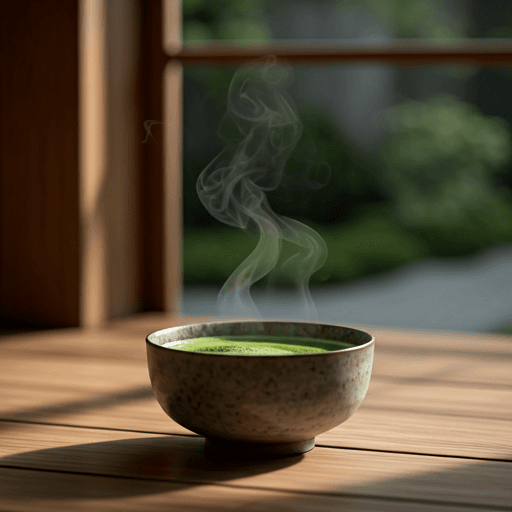
Learning how to make persimmon leaf tea is refreshingly simple: steep about 1 to 2 teaspoons of dried persimmon leaves per cup in water heated to roughly 80 to 90 C (175 to 195 F) — not fiercely boiling — for 3 to 5 minutes, then strain. What you get is a mild, caffeine-free, gently grassy-sweet infusion made from the leaves of the persimmon tree (the Diospyros genus), brewed much like a light green tea. The leaves are picked young, steamed or blanched and dried, and you can find them ready-dried or dry your own.
Below is the whole process, from young leaf to finished cup, hot or iced, plus a small brewing chart and a light, non-medical note on who should check with a healthcare provider first.
What persimmon leaf tea is
Persimmon leaf tea is an infusion made from the leaves of the persimmon tree, not from Camellia sinensis, the plant behind green, black and oolong tea. That makes it a herbal tea, or tisane. Because it comes from a different plant, it carries no caffeine of its own. If you want the wider background on what a tisane is and how it differs from true tea, that groundwork is covered in our guide to what herbal tea is, so we will keep the focus here on persimmon leaf specifically.
The flavor is soft and green: gently grassy and hay-like, with a mild natural sweetness and very little of the astringency you get from a brisk green tea. It is one of those quiet, easygoing cups you can sip all afternoon. Brewing persimmon leaves has a long tradition in East Asia, where the caffeine-free brew is known as kaki-no-ha cha in Japan and gam-ip-cha in Korea — "kaki" being the Japanese word for persimmon, which is why you will sometimes see this cup sold as kaki leaf tea.
One thing is worth clearing up early: you are brewing the leaves, which is different from a fruit tea made from dried persimmon. A cup made from slices of the dried orange fruit — sometimes also called persimmon tea — is sweeter, fuller and more like a fruit infusion. This guide is about the leaf: a light, green, grassy brew, not the fruit.
Preparing and drying young persimmon leaves
The best persimmon leaf tea starts with clean, tender young leaves. If you have access to a persimmon tree you know has not been sprayed and does not sit right beside a busy road, late spring and early summer are the ideal windows, while the new growth is soft and bright green.
- Pick young leaves. Choose small, tender, undamaged leaves. Skip anything yellowing, holed, leathery or dusty — older leaves turn tough and less sweet.
- Wash and pat dry. Rinse under cool water to remove grit and any insects, then blot with a clean towel.
- Steam or blanch briefly. A short 30 to 60 second dip in just-boiled water, or a minute of steaming, sets the green color and mellows the raw, grassy edge. This traditional step is what gives the finished cup its soft, green-tea-like character. Cool and pat dry again afterward.
- Slice or leave whole. Some people shred the blanched leaves into thin ribbons before drying, which helps them dry evenly and give up more flavor later. This step is optional.
- Dry until crisp. Spread the leaves in a single layer and dry until they crumble at a touch. Air-drying on a rack in a warm, airy spot takes a few days; a dehydrator at about 40 to 50 C (105 to 120 F) takes a few hours; a low oven with the door cracked works too, watched closely so the leaves do not scorch.
- Crumble and store. Break the crisp leaves into small flakes, discarding thick stems, then keep them in an airtight jar until you brew.
No tree of your own? Dried persimmon leaf and ready-made persimmon leaf tea bags are widely sold, especially through shops carrying Japanese and Korean teas, and they brew exactly the same way as your home-dried leaf.
Ingredients and amounts
The recipe is short, which is part of the appeal. For a single mug you need:
- Dried persimmon leaves — about 1 to 2 teaspoons of crumbled leaf, or roughly 1 to 2 g, per 240 ml (8 oz) cup. Use the higher amount for a fuller cup.
- Water — around 80 to 90 C (175 to 195 F), just off the boil rather than fiercely boiling, which keeps the cup smooth rather than grassy.
- Optional add-ins — a slice of lemon, a little honey, or a few mint leaves, though most people drink persimmon leaf tea plain to enjoy its soft, green sweetness.
Equipment is just as simple: a kettle, a mug or small teapot, and an infuser or strainer to catch the leaf.
How to make persimmon leaf tea, step by step
Once your leaf is dried and crumbled, the brew itself takes about five minutes. This is the core persimmon leaf tea recipe, whether you are working with home-dried leaf or a shop-bought bag.
- Measure. Add 1 to 2 teaspoons of dried persimmon leaf to a cup, infuser or small teapot.
- Heat the water. Bring water to a boil, then let it sit for 30 to 60 seconds to drop to about 80 to 90 C (175 to 195 F). Delicate leaf teas taste smoother when the water is just off the boil.
- Pour and steep. Pour the water over the leaf and steep for 3 to 5 minutes. Three minutes gives a light, delicate cup; five minutes draws out a deeper, sweeter flavor.
- Strain. Lift out the infuser or pour through a small strainer so no leaf ends up in your cup.
- Taste and adjust. Sip as is, or add lemon or honey. If it tastes thin, use more leaf next time rather than over-steeping, which can flatten any leaf brew. Because it is naturally caffeine-free, it is forgiving late in the day — a fine evening cup.
For a deeper look at steeping technique that applies to any leaf or flower, see our walkthrough on how to brew herbal tea, and if you want to understand how time and temperature change a cup, how long to steep tea goes into the details. Persimmon leaf behaves much like another gentle single-leaf brew, mulberry leaf tea — both reward a gentle hand with the water temperature.
Persimmon leaf brewing chart
Use this quick reference to match the strength you want to leaf amount, water temperature and steep time. Amounts are per 240 ml (8 oz) cup.
| Leaf amount | Water temp | Steep |
|---|---|---|
| 1 tsp (light cup) | 80 to 85 C (175 to 185 F) | 3 min |
| 1.5 to 2 tsp (standard cup) | 85 to 90 C (185 to 195 F) | 4 to 5 min |
| 2 tsp (stronger cup) | 85 to 90 C (185 to 195 F) | 5 to 6 min |
Hot vs iced
Served hot, persimmon leaf tea is at its most fragrant, with that soft green sweetness coming through clearly. For iced, you have two easy routes. Brew a strong hot batch (double the leaf, or steep toward 6 minutes), then pour it over a glass full of ice so the melt dilutes it back to strength. Or make a cold brew by steeping 2 to 3 teaspoons of dried leaf per 500 ml (17 oz) of cold water in the fridge for 6 to 12 hours, then strain; cold brewing gives an especially smooth, naturally sweet glass with almost no edge. A squeeze of lemon and a sprig of mint make it a fine warm-weather drink.
How to store dried persimmon leaf
Once your leaf is fully crisp and cooled, store it in an airtight jar or tin away from light, heat and moisture. Kept dry, home-dried persimmon leaf holds good flavor for several months to about a year, gradually fading rather than spoiling. Any tea you have already brewed but not finished can be cooled, refrigerated and used within a day or two. If dried leaf ever smells musty or damp, or you see any spot of mold from moisture sneaking in, do not risk it — when in doubt, throw it out.
A light note on safety
Persimmon leaf has been treated as a food and sipped as a caffeine-free tea for generations, and for most healthy adults an occasional cup is simply an enjoyable drink. You may see persimmon leaf tea linked with all sorts of wellness ideas online; we will let the cup speak for itself here and skip the claims, because responses vary a great deal from person to person and this is general information, not medical advice — not a remedy for vitamin needs, blood pressure, skin or anything else.
A couple of practical points. Use leaf from a persimmon tree you can positively identify and that has not been sprayed, and stick to the leaves rather than experimenting with other parts of the plant. And if you are pregnant or breastfeeding, or take any medication, and you would like to drink persimmon leaf tea often, it is worth asking your own healthcare provider first. Enjoy it as a pleasant, everyday green-tasting cup — that is exactly what it does best.