
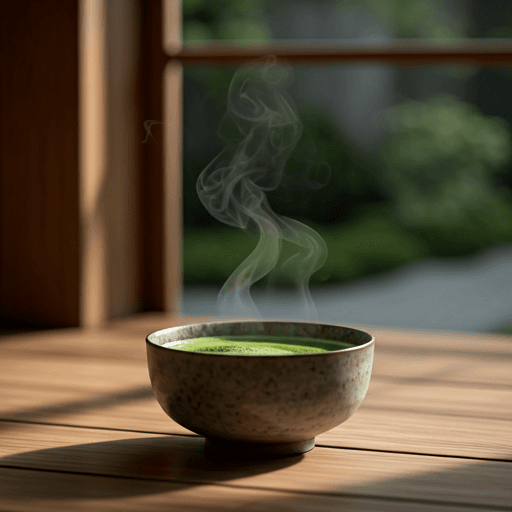
How to make lemon myrtle tea comes down to two habits: use a small amount of dried leaf, and don't let it steep too long. Lemon myrtle tea is a vivid, caffeine-free, intensely lemony infusion made by steeping dried lemon myrtle leaves (Backhousia citriodora, a native Australian rainforest tree) in just-off-boil water for three to five minutes, until the cup turns pale gold and fills with a bright, sherbet-lemon aroma. It tastes like lemongrass met lemon peel and turned up the volume, so a little leaf goes a long way.
Below is a simple lemon myrtle tea recipe you can make with dried leaf, plus an iced lemon-myrtle-and-ginger version, a blending tip, and how to store the leaf so it keeps its punch. For the wider world of caffeine-free infusions, see our guide to what herbal tea is.
What lemon myrtle tea is
Lemon myrtle is an evergreen tree from the subtropical rainforests of eastern Australia, and its glossy leaves carry one of the highest natural concentrations of citral of any plant — the same aroma compound that gives lemongrass and lemon peel their zing. Dried and crumbled, the leaf brews into a clean, rounded, almost creamy-lemon cup with none of the sourness of actual lemon juice, because there's no citric acid involved, just fragrance.
It is a cornerstone of Australian bushfood, long used by Aboriginal peoples and now a familiar café and pantry staple across the country, where it flavours everything from shortbread to fish. As a tea, lemon myrtle leaf tea sits in the same lively, citrusy family as lemongrass and lemon verbena, and if you like those you'll feel right at home — our guide to lemongrass tea makes a natural companion brew. You may also see it sold as Backhousia citriodora tea, which is simply the botanical name printed on the label.
Why you use only a small amount
Because the leaf is so high in aromatic citral, lemon myrtle is one of the few herbals where more is definitely not better. Overload the pot and the cup turns almost medicinal and slightly bitter; use a restrained pinch and you get that signature bright, sherbet-lemon lift. About 1 teaspoon of dried crushed leaf per cup is plenty, and many people find half a teaspoon is enough once they know how strong it is. Start light — you can always add a second short steep or another pinch, but you can't take flavour back out.
Ingredients
- Dried lemon myrtle leaf — about 1 teaspoon of crushed or crumbled leaf per cup (roughly 250 ml). Use less for a delicate cup.
- Fresh water — one cup, heated to just off the boil.
- Optional: a little honey or your preferred sweetener, a thin slice of fresh lemon, or a few coins of fresh ginger for warmth.
How to make lemon myrtle tea, step by step
- Crush the leaf. Crumble the dried lemon myrtle leaf lightly between your fingers or with the back of a spoon. Breaking it up gives the water more surface to draw the aromatic oils from.
- Heat the water. Bring fresh water to a boil, then let it settle for 30 to 60 seconds so it drops to about 90-95 C (194-203 F). Water straight off a rolling boil can scorch delicate herbals and coax out bitterness.
- Pour and cover. Put the leaf in a cup, infuser, or small pot, pour the hot water over it, and cover. Covering traps the volatile lemon aromatics that would otherwise drift off with the steam — which is the whole point of this brew.
- Steep 3 to 5 minutes. Three minutes gives a light, fragrant cup; five gives a fuller one. Going much longer mostly adds bitterness rather than flavour. For the principle behind timing any infusion, see how long to steep tea.
- Strain and taste. Lift out the infuser or strain off the leaf, then taste before adding anything — you may find it needs nothing at all.
- Sweeten lightly and serve. Add a touch of honey or a lemon slice if you like, then drink it hot. It also cools beautifully into iced tea.
Lemon myrtle tea at a glance
| Strength | Dried leaf per cup | Water temperature | Steep time |
|---|---|---|---|
| Delicate | 1/2 tsp crushed leaf | 90-95 C (194-203 F) | 3 minutes |
| Standard | 1 tsp crushed leaf | 90-95 C (194-203 F) | 3-4 minutes |
| Full | 1 tsp crushed leaf | 90-95 C (194-203 F) | 5 minutes |
An iced lemon myrtle and ginger version
Lemon myrtle turns into one of the most refreshing iced teas going. Brew it a little stronger than usual — use a rounded teaspoon of leaf per cup and add a few coins of fresh ginger — then steep for 5 minutes and strain. Let it cool, pour it over plenty of ice, and finish with a squeeze of lemon, a little honey, or a sprig of mint. The ginger adds a gentle heat that plays off the sherbet-lemon aroma without fighting it. To make a jug, keep the same leaf-to-water ratio, chill the brew, and store it covered in the fridge, where it holds its bright flavour for a day or two.
Blending lemon myrtle with other teas
Lemon myrtle is a natural blender, and a pinch does a lot. Stirred into a pot of green tea it lifts the leaf with clean citrus and none of the sourness of lemon juice; it brightens chamomile, mint, or rooibos; and it pairs happily with a strip of dried ginger or a couple of rosehips. Because it is so potent, treat it as a seasoning rather than a base — a little folded into an existing herbal does more than a whole spoonful brewed on its own. If you are building your own caffeine-free blends, our guide to brewing herbal tea covers ratios and method in more depth.
Storing dried lemon myrtle leaf
Dried lemon myrtle keeps its punch when you protect it from the four things that steal aroma: air, light, heat, and moisture. Store the leaf in an airtight jar or tin, away from the stove and out of direct sun. Whole or lightly crushed leaf holds its fragrance far longer than finely powdered leaf, so it is best to crush it only just before brewing. Kept well, it stays vividly lemony for many months; when the aroma starts to fade, simply use a little more leaf to reach the same brightness.
A light note on drinking it
Lemon myrtle is a food herb — the same leaf used to flavour cooking across Australia — and brewed as a light tea it is enjoyed casually by many people. Any wellness effects vary from person to person, and this is not medical advice. If you are pregnant or breastfeeding, or you take regular medication and would like to drink it often, it is worth checking with your own healthcare provider first. One practical thing to know: concentrated lemon myrtle essential oil is a separate, far stronger product meant for aromatherapy and cleaning, not for drinking, and it is not what goes into this cup — tea made from the dried leaf is an entirely different, gentle thing. Enjoy it for what it mainly is: one of the most fragrant, refreshing caffeine-free cups you can make.