
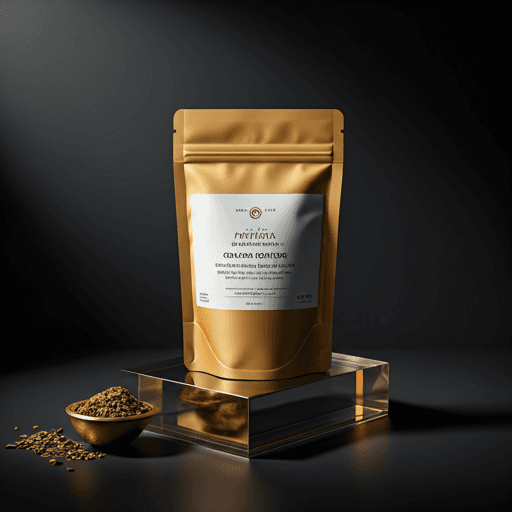
Here is how to make gardenia tea: steep a small handful of dried gardenia flowers — the creamy-white, intensely perfumed blossoms of Gardenia jasminoides, the sweet-scented gardenia of East Asia — in just-off-boil water for two to four minutes, until the liquid turns pale gold and the air fills with a soft, honey-and-jasmine aroma. That fragrance is the whole point: gardenia tea is a delicate, sweet, caffeine-free floral infusion, and a short, gentle steep is what keeps its heady perfume from being scalded away.
This is a fragrant flower tea in the same family of pleasures as jasmine, osmanthus and rose — brewed for scent and softness rather than briskness or body. If you already enjoy other blossom infusions, you will feel right at home. For the wider world of caffeine-free botanical brews, see our primer on what herbal tea is; the recipe below stays focused on the flowers themselves.
What Gardenia Flower Tea Is (and How It Tastes)
Gardenia flower tea is an infusion made from the dried blossoms of Gardenia jasminoides, an evergreen shrub prized across China and beyond for one of the most opulent floral scents in the plant world. The living flower is famous for perfuming a whole garden on a warm evening; dried and steeped, it gives up that same lush, creamy sweetness in the cup.
The taste is gentle and unmistakably floral — think honeyed jasmine with a soft, almost custardy roundness and a faintly green, nectar-like finish. There is very little astringency when it is brewed well, and no caffeine at all, because this comes from a flower rather than the tea plant, Camellia sinensis.
Culturally, the sweet-scented gardenia sits alongside jasmine as a blossom used to scent tea. Just as jasmine flowers are layered with green tea to pass along their aroma, gardenia's perfume is treasured enough that the dried flowers are enjoyed on their own or blended into other leaves. In spirit it is a close cousin of osmanthus tea, another beloved East Asian flower brew where fragrance leads the way.
The Key Idea: Brew the Fragrant Flower Gently
The single most important thing to understand before you brew: you are steeping the fragrant dried flower for enjoyment, and its gorgeous scent is delicate. Two habits protect it. First, keep the water just off the boil, around 85–90C (185–194F), rather than a rolling boil — furiously hot water drives off the volatile aromatics you are steeping for in the first place. Second, keep the steep short. A brief two-to-four-minute infusion draws out the sweetness and perfume, while a much longer steep can turn the cup faintly bitter and green.
How to Make Gardenia Tea, Step by Step
This gardenia tea recipe makes one generous cup and scales up easily for a pot. You need almost nothing beyond the flowers and good water.
What you will need
- About 1–2 teaspoons of dried gardenia flowers, or 4–5 whole dried blossoms, per cup (roughly 250 ml / 8 oz)
- Fresh water heated to about 85–90C (185–194F) — just off the boil
- Optional: a light touch of honey to sweeten
- Optional: a small pinch of green or white tea leaves to blend in for a little body
The steps
- Warm your cup or glass teapot with a splash of hot water, then pour it out. A clear glass pot is lovely here, since it shows off the blossoms as they open.
- Add the dried gardenia flowers to the warmed pot or cup.
- Pour the 85–90C water over them, letting it stream gently down the side rather than blasting the flowers.
- Cover immediately. A lid or a saucer traps the aroma so it settles back into the tea instead of drifting off the top.
- Steep for 2 to 4 minutes. Start at the shorter end and taste as you go; the color should be a pale, clear gold.
- Strain out the flowers, or lift out your infuser, so the tea stops steeping toward bitterness.
- Sweeten only lightly, if at all — a few drops of honey flatter the floral notes without burying them. Sip it warm and breathe in the scent as you drink.
Here is the short version to keep by the kettle:
| Dried gardenia flowers | Water temperature | Steep time |
|---|---|---|
| 1 tsp, or 4–5 blossoms, per cup | 85–90C (185–194F) | 2–4 minutes |
| For a lighter, more delicate cup | 85C (185F) | 2 minutes |
| For a fuller, more aromatic cup | 90C (194F) | 3–4 minutes |
Tips for the Best Gardenia Tea
A few small choices make a real difference to this brew. A glass pot or a clear glass mug is worth using at least once, because watching the pale flowers unfurl and tint the water is half the charm of gardenia flower tea. If you want a little more structure in the cup, add a pinch of green or white tea leaves so you get a light backbone under the perfume — the flower still leads, but there is something to hold onto.
Do not walk away and let it oversteep. Unlike a robust black tea, this infusion has no need for a long soak, and patience past four minutes is rewarded with bitterness rather than depth. If you would like a broader refresher on matching temperature and timing to different botanicals, our guide on how to brew herbal tea covers the general rules this recipe follows.
For a cold version, brew the tea a little stronger, let it cool, and pour it over ice; the perfume reads even sweeter when chilled. And if a softly floral, honeyed cup is exactly your idea of an evening wind-down, chamomile tea makes a natural companion brew to keep in the cupboard alongside your gardenia.
How to Store Dried Gardenia Flowers
Dried gardenia tea keeps its fragrance longest in an airtight container, kept away from light, heat and moisture. A tin or a sealed glass jar in a cool, dark cupboard is ideal; the enemies of any flower tea are humidity and sunlight, both of which fade that precious aroma. Stored well, the blossoms will stay pleasantly perfumed for many months, though like all aromatics they are at their best sooner rather than later. If the flowers ever smell dull or musty, or show any sign of damp, it is time to replace them.
A Light Note on Safety
Use the fragrant dried flower for a gentle enjoyment cup, and keep it an occasional pleasure rather than an all-day drink. One point of clarity is worth making: the gardenia fruit — the orange-red seed pod — is a separate and much stronger traditional ingredient, long used as a natural dye and in traditional herbal practice, and it is not what this fragrant-flower tea is about. When you are brewing for scent and softness, reach for the creamy dried blossoms, not the fruit.
As with any botanical infusion, responses vary, and this is not medical advice. If you are pregnant or breastfeeding, or you take any medication, check with your own healthcare provider before adding a new herbal tea to your routine. Make sure any flowers you buy are sold as food-safe and correctly identified, and when in doubt, leave it out. Enjoyed simply for its lovely aroma, gardenia tea is one of the most quietly luxurious cups you can make at home.